
 Hien Dang
Following “Kho Báu” (Treasure), (S)TRONG Trọng Hiếu continues to explore a nostalgic musical palette with “(anh vẫn yêu mỗi em) đến giây cuối cùng” – “(I still love only you) until the very last second”. The song does not rely on vocal acrobatics, nor does it attempt to tell a love story with a definitive conclusion. The audio version is pleasant and accessible, though not particularly groundbreaking. What stands out instead is his convincing live performance and a music video open to multiple interpretations. More importantly, this may be one of the rare moments in his career when audiences begin talking about Trọng Hiếu because of a song itself, rather than simply for his dancing.
Text: NGUYỄN CÔNG MINH
Original Vietnamese version available here: Đọc bài viết tiếng Việt
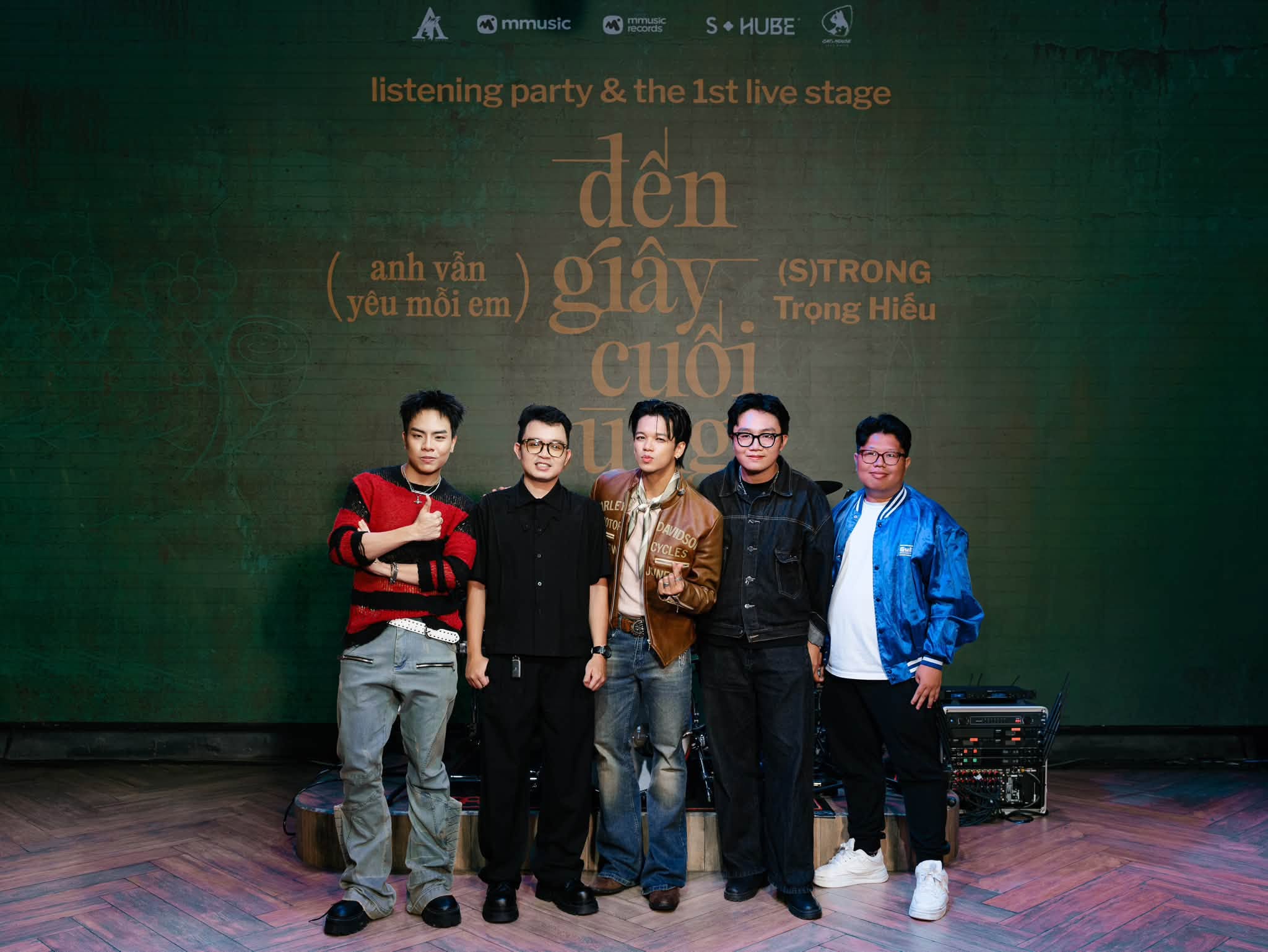
On the evening of July 30, at the Listening Party & The 1st Live Performance for “(anh vẫn yêu mỗi em) đến giây cuối cùng”, many fellow artists and close friends gathered to congratulate (S)TRONG Trọng Hiếu and his team on the release of the new project. Among those in attendance were singers Phan Đình Tùng, ST Sơn Thạch, Cường Seven and Ái Phương, songwriter Nguyễn Hải Phong, actors Lợi Trần and Trần Nghĩa, and supermodel Hữu Long…
For anyone who had only read the press release or seen the promotional photos distributed by the team, it would have been easy to assume this was simply another music video launch event. Yet being present at Cat & Mouse offered a very different impression. Rather than a media spectacle carefully designed for publicity, it felt more like a genuine gathering of artists. There were few staged moments meant to heighten emotions. Instead, the evening was filled with natural conversations, laughter and sincere exchanges among colleagues.
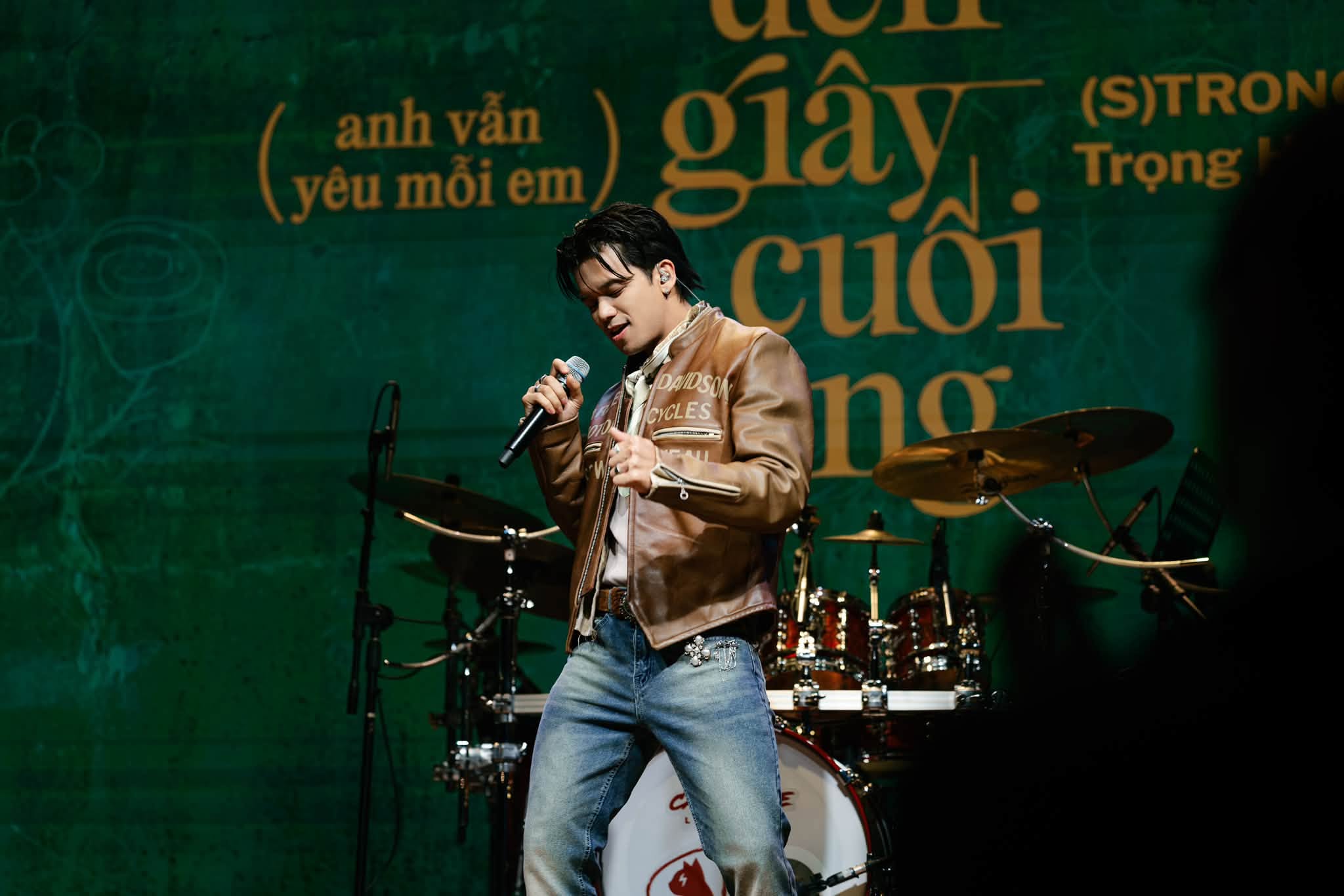
When asked whether the song had been written for a specific person, Trọng Hiếu answered immediately, “That’s an easy question. No”. The room burst into laughter, while he turned to host Nicky and asked why everyone was laughing. What initially sounded like a playful exchange actually reflected Trọng Hiếu’s straightforward personality. He speaks directly, quickly and without unnecessary detours, often in ways that run counter to the assumptions many Vietnamese audiences have grown accustomed to. Whenever a singer releases a love song, questions about former lovers, romantic inspirations or real-life stories almost inevitably follow. Vietnamese audiences also tend to connect lyrics with an artist’s personal life, sometimes reading far beyond what the songwriter intended. Trọng Hiếu sees it differently. He explained that the song was created so listeners could find someone of their own within it and dedicate it to that person, rather than tracing it back to the singer’s private life. Ironically, it was precisely that honest, uncomplicated answer that made the entire room laugh.
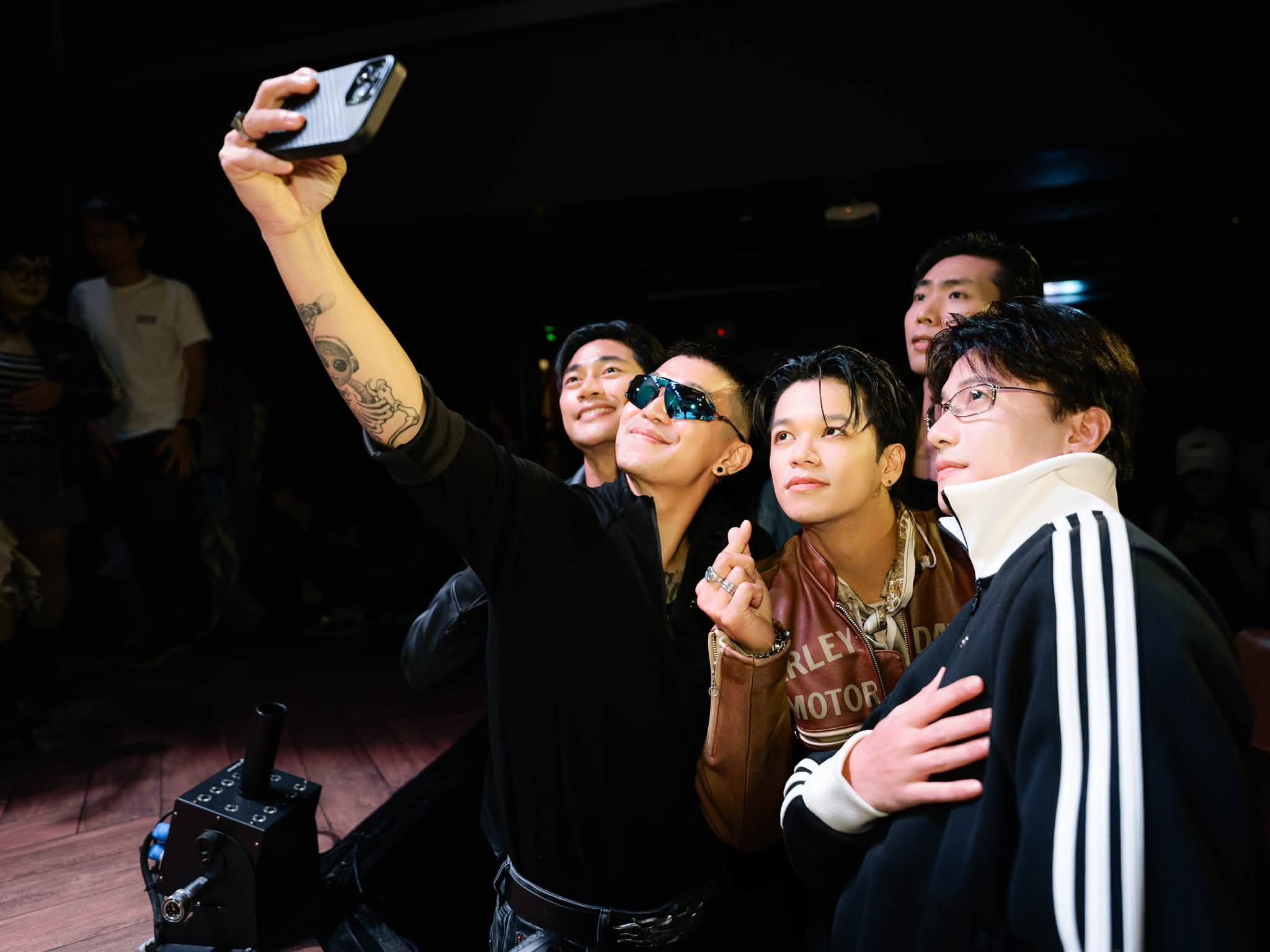
Having had the chance to share several meals with Hiếu over the years, I realized that the personality audiences see on stage is not an act. He is remarkably straightforward, generous with his time, eager to help others and naturally gifted at bringing people together. His energy extends far beyond choreography. It is present in the way he asks questions, listens, responds, encourages an idea or effortlessly pulls everyone around him into the conversation.
From Trọng Hiếu to (S)TRONG
Anyone who watched Vietnam Idol 2015 is unlikely to have forgotten the Vietnamese-German contestant with an unmistakable voice, impressive dance skills and a stage presence so powerful that standing still never seemed like an option. Trọng Hiếu claimed the championship that year with a clear advantage: he stepped onto the stage as though it had always been where he belonged. Ironically, that exceptional performance ability also became something of a paradox. For years, audiences remembered him as an energetic performer who danced brilliantly, sang with remarkable stamina and commanded every stage he stepped onto, more than they remembered him for a defining catalogue of hit songs.
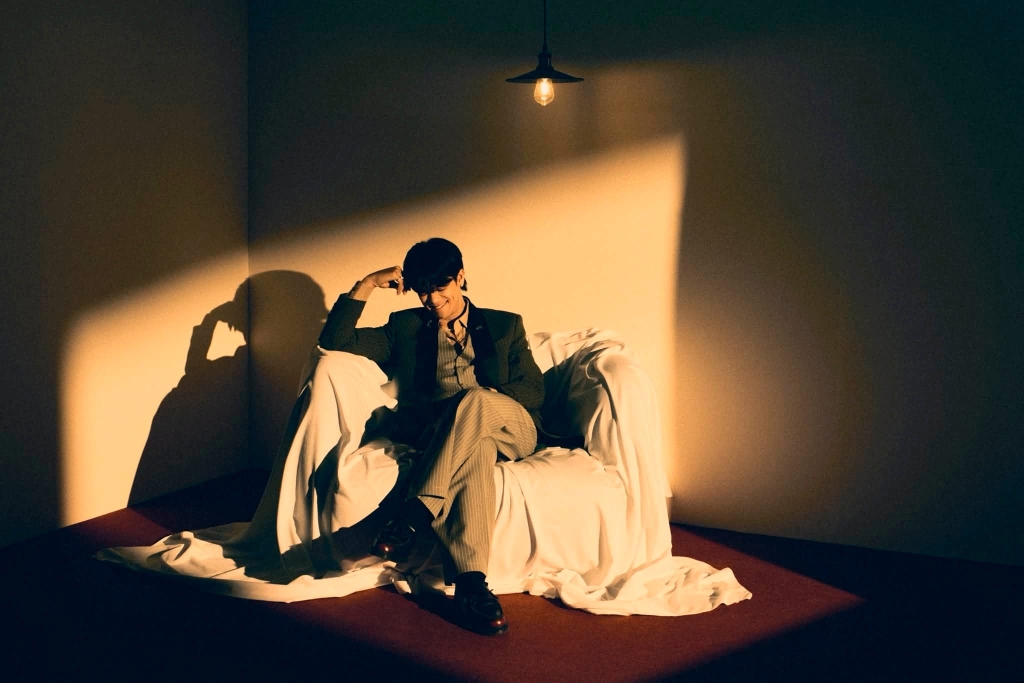
Toward the end of 2024, following his appearance on Call Me By Fire Vietnam, Trọng Hiếu introduced a new artistic identity: (S)TRONG. The letter “S” stands for “Strong,” symbolizing strength while also emphasizing his identity and his love for Vietnam. By placing the “S” in parentheses, he added a new layer to his name without changing the word “Trọng” itself. Since then, he has consistently referred to himself as (S)TRONG across social media, incorporated the branding into song titles, posters, hashtags and projects celebrating his tenth anniversary in music. Rather than abandoning his original stage name, the change feels more like a refreshed artistic identity built upon a name audience have known for years.
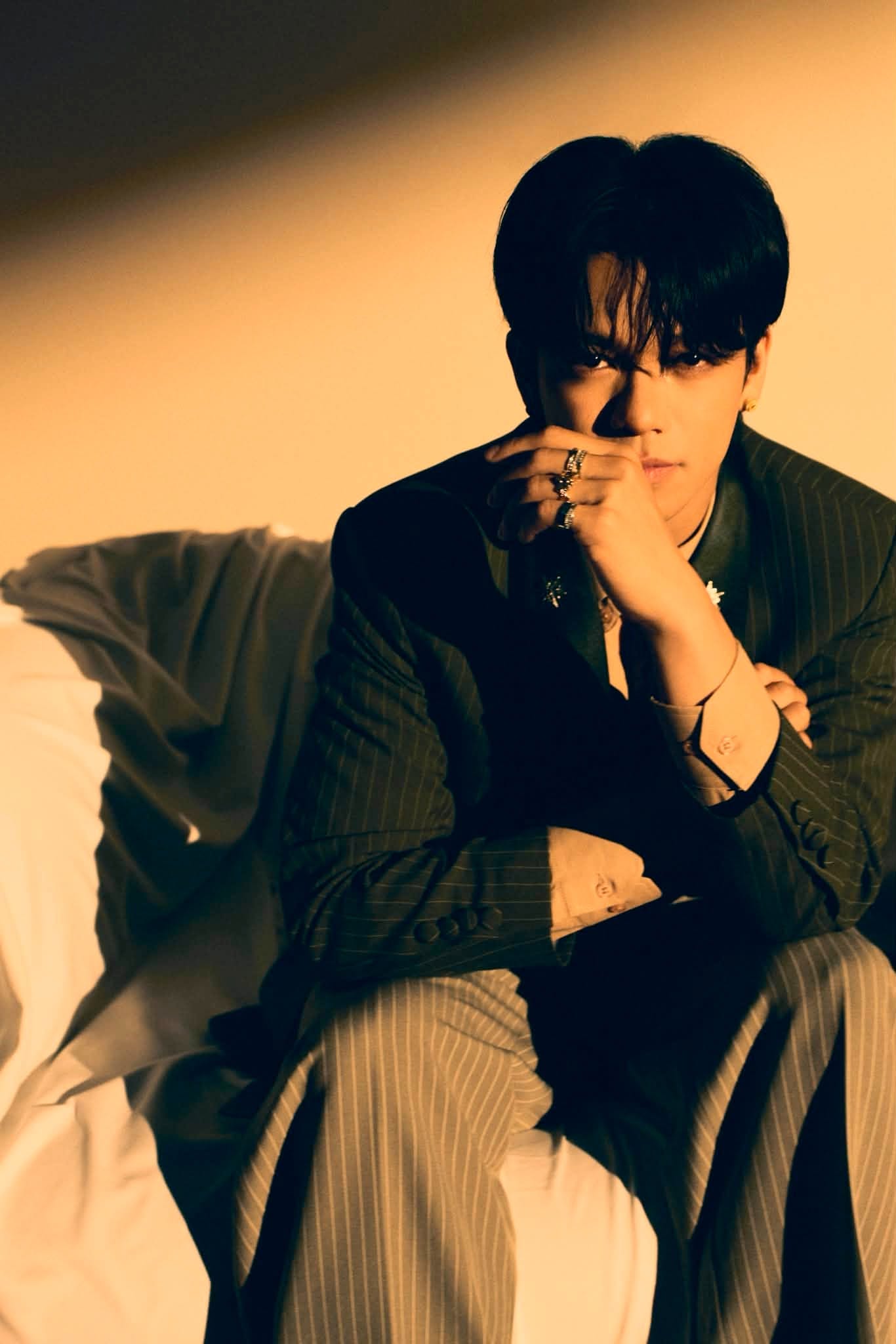
Without “Kho Báu (Treasure)”, “(S)TRONG” might have remained little more than an alternative way of writing Trọng Hiếu’s name. The song not only became the biggest hit of his career, but also changed the way audiences perceived him. Written by Hứa Kim Tuyền and produced by TDK, “Kho Báu” gave Trọng Hiếu his first widely recognized signature song, one that even listeners who had never closely followed his career found themselves replaying. Instead of relying on explosive energy, “Kho Báu” embraced a nostalgic Y2K atmosphere, memorable melodies, concise production and just enough sentimentality to invite listeners into its world. Its success transformed “(S)TRONG” from a stylistic spelling into the symbol of a more clearly defined musical direction.
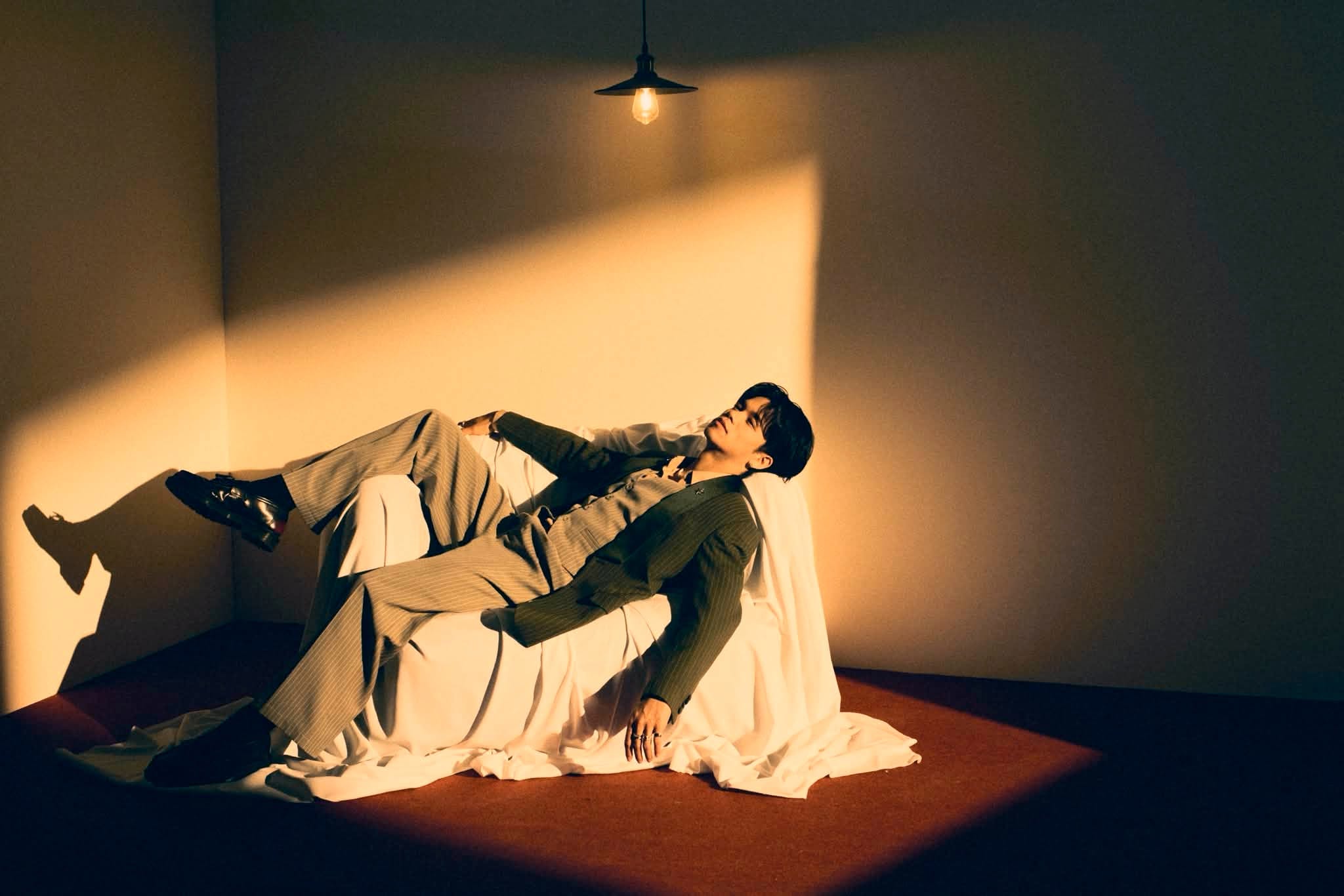
Trọng Hiếu himself considers “Kho Báu” a turning point. After the song’s success, he said he finally discovered the true core of his music: nostalgia, gratitude and love. In his view, maturity is not about constantly projecting strength, but about preserving gentleness, sincerity and the courage to embrace one’s own emotions.
The New Single Doesn’t Try to Become Another “Kho Báu”
“(anh vẫn yêu mỗi em) đến giây cuối cùng” reunites Trọng Hiếu with songwriter Hứa Kim Tuyền and producer TDK. The team describes it as the next chapter after “Kho Báu”, continuing its nostalgic spirit through an R&B pop ballad infused with Y2K influences. The connection is easy to recognize, yet the new song does not simply repeat the earlier formula. While “Kho Báu” captured audiences almost instantly; “(anh vẫn yêu mỗi em) đến giây cuối cùng” unfolds more patiently. It remains rooted in familiar R&B pop ballad textures, but its storytelling is slower, more restrained and leaves considerably more room for the lyrics to breathe. That choice may prevent the song from creating an immediate impact on first listen as “Kho Báu” did. Yet it is also a song that rewards time. Rather than building toward an explosive chorus or a hook deliberately designed for viral success on social media, Hứa Kim Tuyền continues to write with simplicity and emotional restraint. Some may consider that approach conservative, but it is precisely this restraint that allows the song to retain its sincerity. Trọng Hiếu adopts a similarly understated approach in his vocal performance. Instead of showcasing vocal range or endurance, he sings with remarkable control. During the live performance, his greatest strength lies in the stability of his voice and his ability to hold an audience’s attention through subtle details without elaborate choreography or spectacular stage production.
Singer Phan Đình Tùng remarked that both the melody and lyrics were so immediately accessible that, had the lyrics been displayed during the event, he believed he could have sung along on the spot. He also expressed confidence that the song has strong hit potential. The composition follows a clear melodic structure that is easy to follow, while its bright arrangement gently supports a story about a love that has already become part of the past. Importantly, the song never attempts to overwhelm listeners with heartbreak or melodrama.

Producer Trần Dũng Khánh (TDK) avoids the increasingly common trend of piling on dense layers of sound or relying on dramatic drops to create impact. Instead, the arrangement remains deliberately restrained, giving the vocals room to stay at the heart of the song. For an artist like Trọng Hiếu, whose reputation has long been built on his commanding stage presence, this is a fitting creative choice. Rather than drawing attention to the production, the music quietly guides listeners toward the story itself.
Singer Ái Phương described it as the kind of song that makes people want to hit replay and “drift into a dream over something old that somehow feels as though it just happened”. What stayed with me, however, was not only her comment about the song, but the first question she asked Trọng Hiếu that evening: “Are you happy?”. She explained that she was genuinely happy to see a performing artist gradually turning inward, allowing himself to explore deeper emotional layers. For years, Trọng Hiếu has been known for projecting his energy outward. But when he chooses to stand still, strips away the movement and lets nothing but his voice carries the performance, listeners are finally given the chance to discover a different side of the artist.
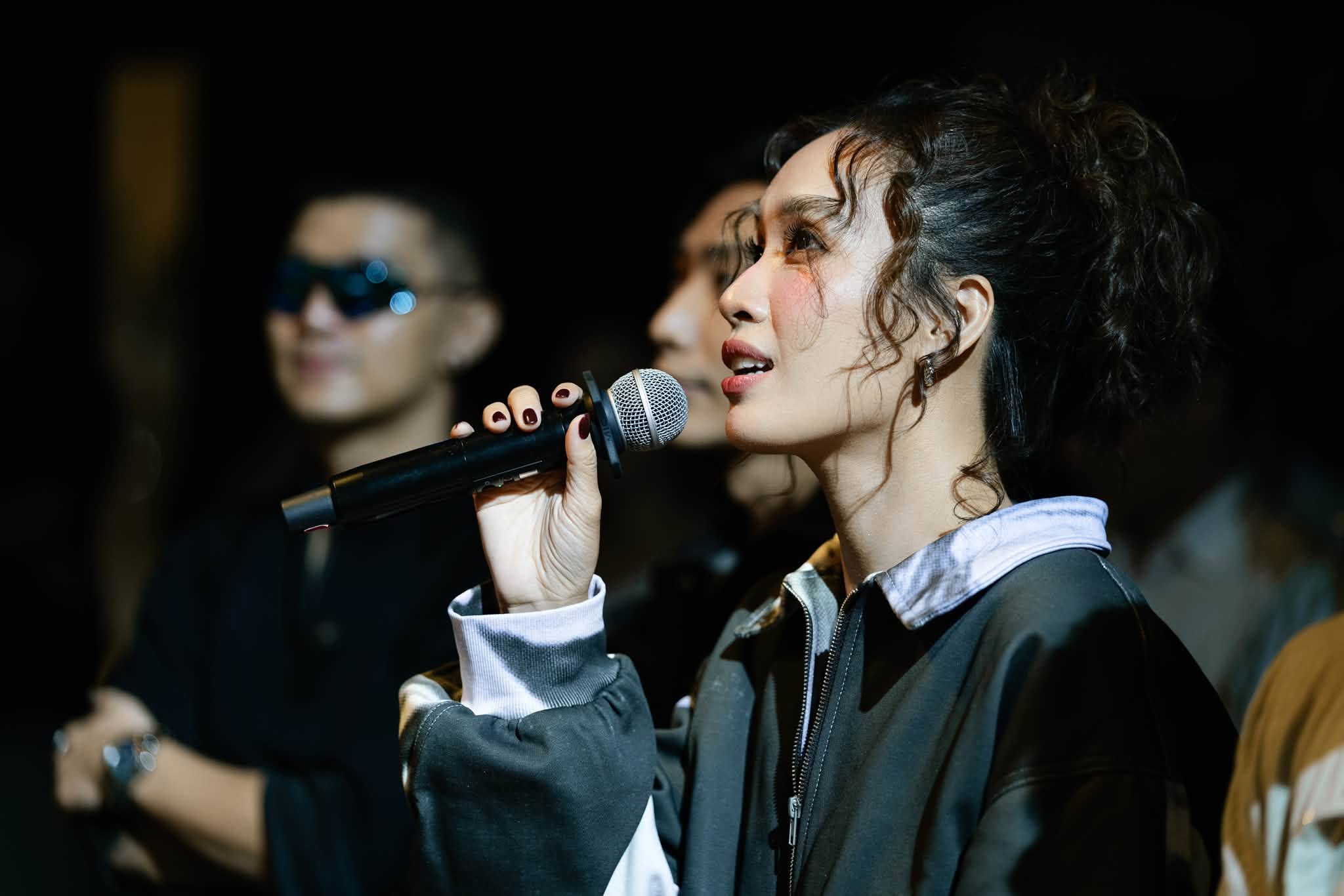
The Wedding Dress Doesn’t Tell a Wedding Story
If judged solely by its audio, many listeners would probably find “(anh vẫn yêu mỗi em) đến giây cuối cùng” to be a beautiful and accessible love song, though perhaps not one that delivers any major surprises. It was only after watching the music video that I found myself genuinely impressed, particularly by the director’s visual storytelling. Directed by Melly, the MV moves fluidly between the present and the past through a series of rapidly interwoven scenes. Throughout the film, a young woman in a wedding dress remains a constant presence. Yet the video never feels as though it is telling the story of a wedding. Instead, the wedding dress functions as something far more symbolic. It represents a future the two characters once imagined together, rather than a happiness they ever actually reached. The couple are seen sitting back-to-back on a sidewalk, doodling on an old wall, and riding a motorbike through the ordinary streets of Saigon. None of these moments are particularly original on their own. Yet when placed alongside the recurring image of the wedding dress, they create a delicate emotional space suspended somewhere between reality and memory. The result is a visual narrative that feels less concerned with explaining what happened than with preserving the lingering feeling of what might have been.

Faded walls, weathered windows, classrooms, long corridors, motorbikes, the soft light of late afternoon and deliberately unpolished empty spaces all help the story feel lived-in rather than staged. The costume design further distinguishes the two timelines. The memories are dressed in youthful, slightly rough-edged looks with a distinct Y2K sensibility, while the present is rendered in a darker, cleaner aesthetic. Here, Trọng Hiếu stands alone in a tailored suit, framed by monochromatic lighting that quietly reinforces the emotional distance between who he is now and the memories that continue to linger.
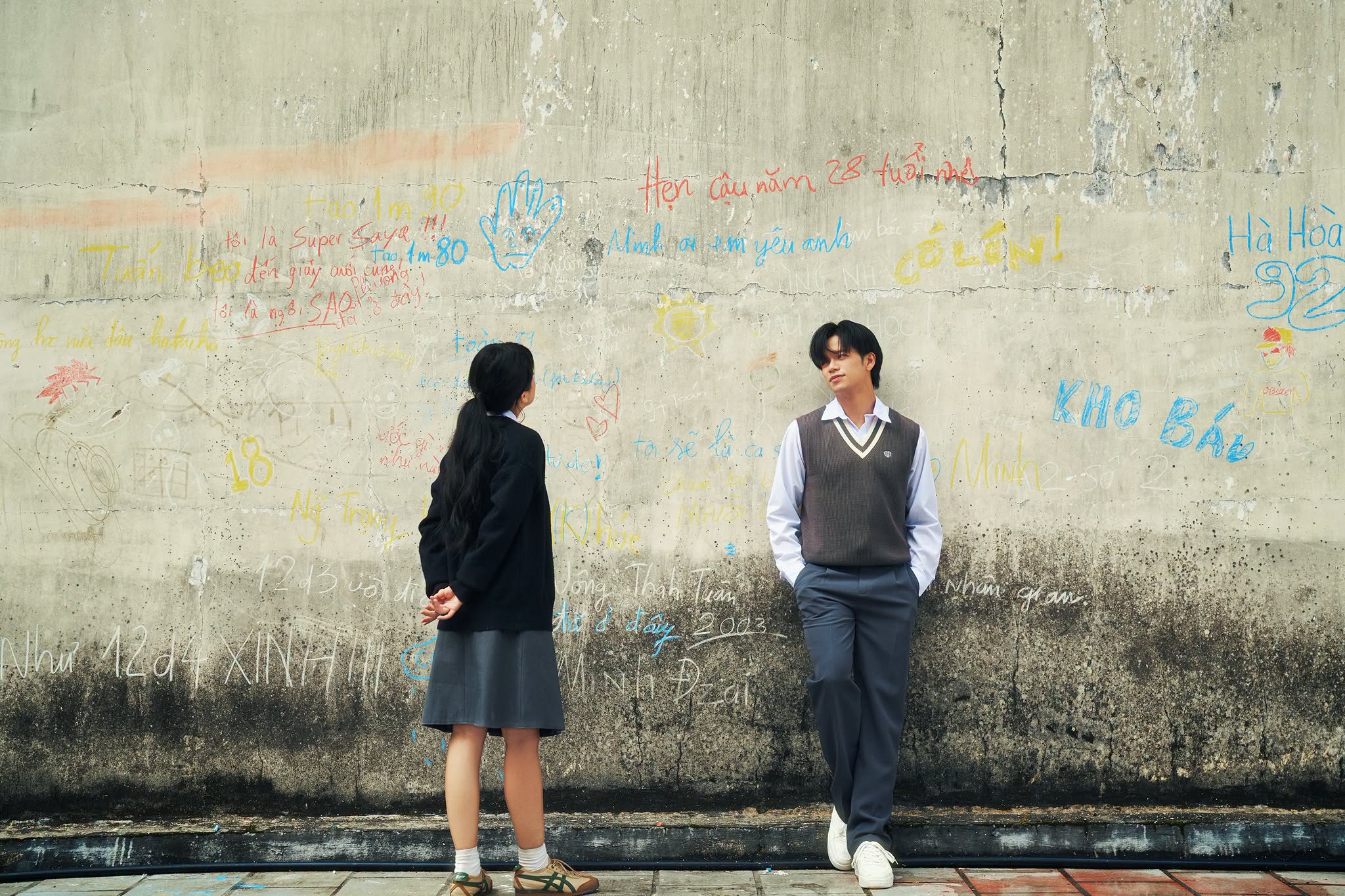
“(anh vẫn yêu mỗi em) đến giây cuối cùng” may not be Trọng Hiếu’s most surprising release to date, nor is it necessarily destined to surpass “Kho Báu” in terms of mainstream reach. The song takes a relatively safe approach to its melody, structure and emotional arc, while the music video finds its greatest strength in its visual language, atmosphere and willingness to leave room for interpretation. Yet, viewed in the context of where Trọng Hiếu is today, the single points to something perhaps more significant. It suggests that he is gradually shaping a musical identity distinctive enough for audiences to recognize, not because of his choreography or stage spectacle, but simply through the sound and emotional character of his music, even when he is standing perfectly still on stage.

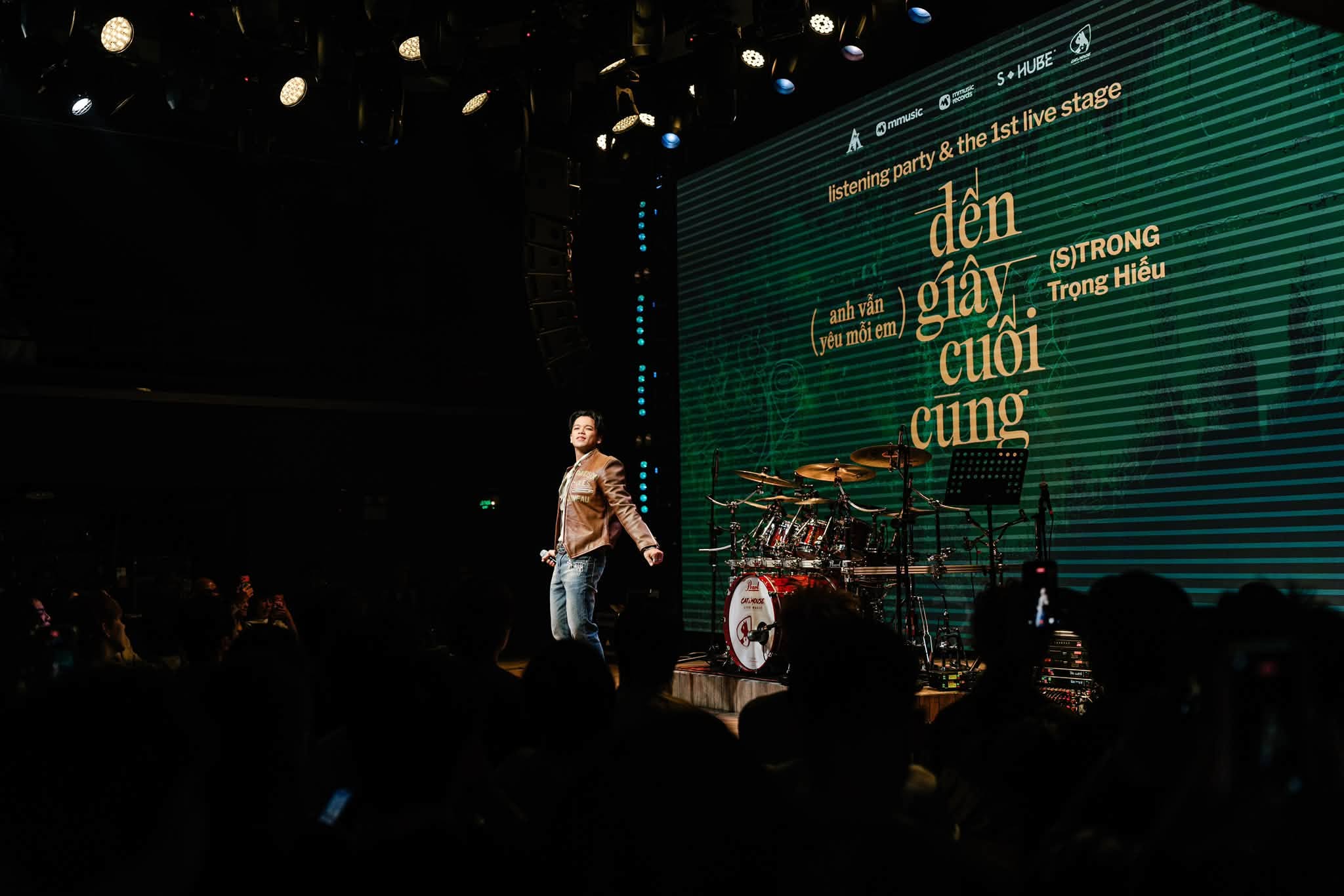
Trọng Hiếu received countless wishes for “(anh vẫn yêu mỗi em) đến giây cuối cùng” to become a hit. Whether it ultimately achieves that will be answered by the charts, the view count and the number of times listeners choose to press replay. For me, however, the moment that lingered most was when Trọng Hiếu simply answered “No” after being asked whether the song had been written for a particular person. That single response revealed almost everything about how he hopes this work will live on. The song does not require listeners to know who the girl is. Nor does the music video insist on explaining the meaning of the wedding dress or its open ending. Listeners are free to place someone’s name into the title or leave it unnamed altogether. Perhaps that is what a good love song ultimately does. It quietly opens the door to memory, then allows each listener to step through it with a story entirely their own.
Actor Lợi Trần, best known for his role as Hải in the feature film “Tử Chiến Trên Không”, said he has followed Trọng Hiếu ever since the singer won Vietnam Idol 2015. What has impressed him most is not simply Trọng Hiếu’s dance ability or explosive stage presence, but the journey behind the spotlight. He pointed to the period when Trọng Hiếu returned home to support his mother, embraced a more mindful way of living, adopted a vegetarian lifestyle and continued pursuing music with unwavering dedication. In Lợi Trần’s view, the success of “Kho Báu” was never a matter of luck. Rather, it was the result of years of persistence and hard work. As for “(anh vẫn yêu mỗi em) đến giây cuối cùng”, what stood out to him most was the meticulous attention to detail throughout the entire production process, from the choice of songwriter and producer to the filming team and every visual element in the music video.
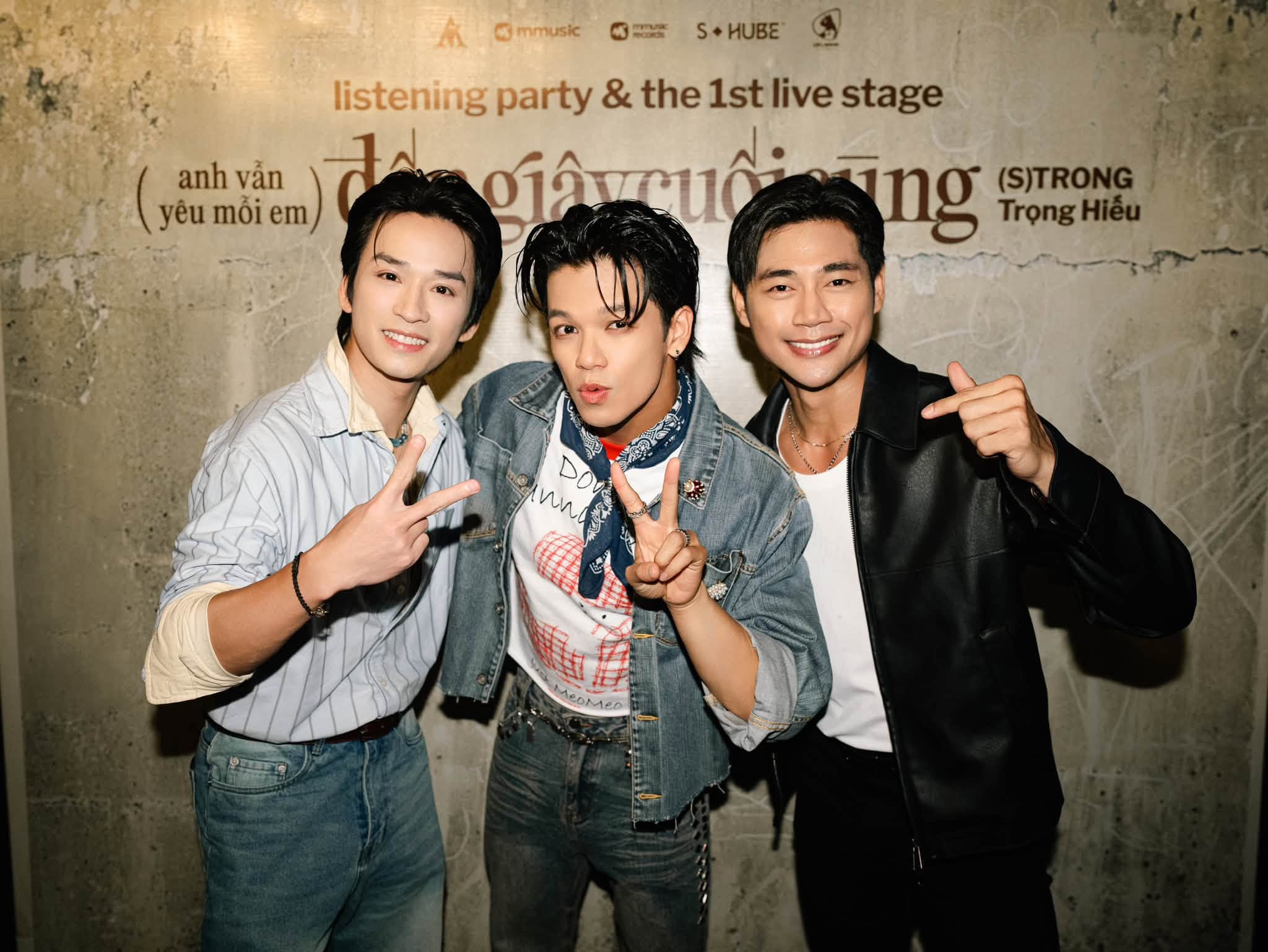
Meanwhile, supermodel Hữu Long said that what appealed to him most about the song was its melody. In his view, “(anh vẫn yêu mỗi em) đến giây cuối cùng” evokes the nostalgic feeling of songs that have resonated across generations. Its lyrics are memorable, easy to sing along to, and its chorus carries a warmth that feels instantly familiar. “The middle section is my favorite part of the song”, Hữu Long said.
As someone who pays particular attention to visual storytelling, actor Trần Nghĩa, best known for his leading role in “Mắt Biếc”, found himself even more persuaded after watching the music video. He said that if judged solely by its audio, the song comes across as youthful, bright and full of energy. The visuals, however, open the door to multiple interpretations. The first time he watched the MV, Trần Nghĩa saw it as the story of an unfinished romance. By the second viewing, he found himself questioning whether the young woman in the video had ever truly existed, or whether she was merely a memory imagined by the protagonist. In his opinion, it is precisely the open ending that allows every viewer to become the “director” of the story’s final chapter, completing it according to their own emotions and imagination. “This is not only a beautiful song, but also the kind of work that makes me want to watch it again and again, discovering new details each time. I believe this will become a major hit for (S)TRONG“, Trần Nghĩa said.
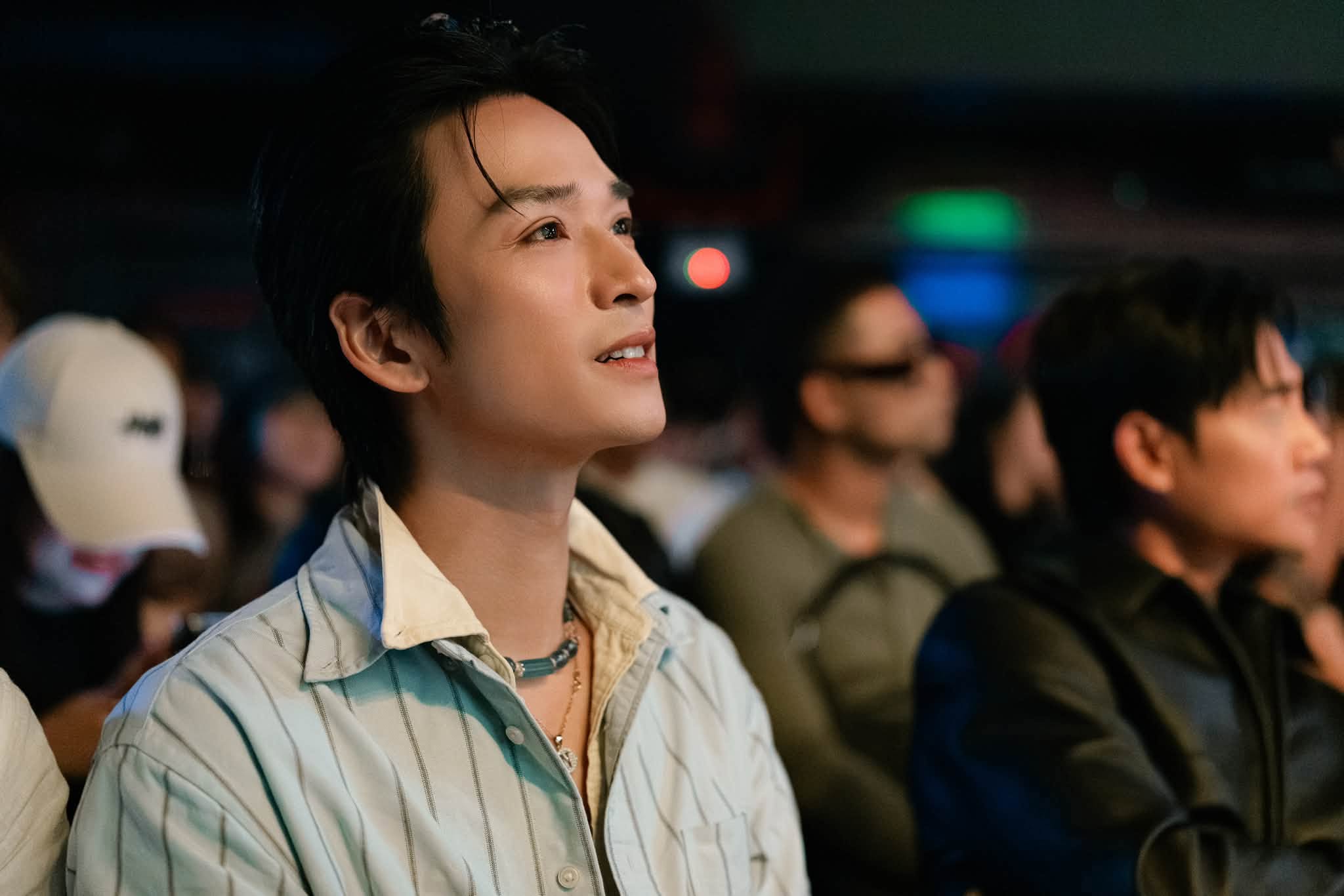
Singer Ái Phương said that the very first question she asked Trọng Hiếu at the launch event had nothing to do with the music video or its potential success. It was simply: “Are you happy?”. According to Ái Phương, Trọng Hiếu is entering a different stage of his career, one in which a performer gradually turns inward to explore deeper emotional layers within himself. “It feels deeply nostalgic. This is the kind of song that makes people want to hit replay and drift into a daydream over something from the past that somehow feels as though it just happened”, Ái Phương said. She also extended her congratulations to (S)TRONG, songwriter Hứa Kim Tuyền, producer Trần Dũng Khánh (TDK) and director Melly.
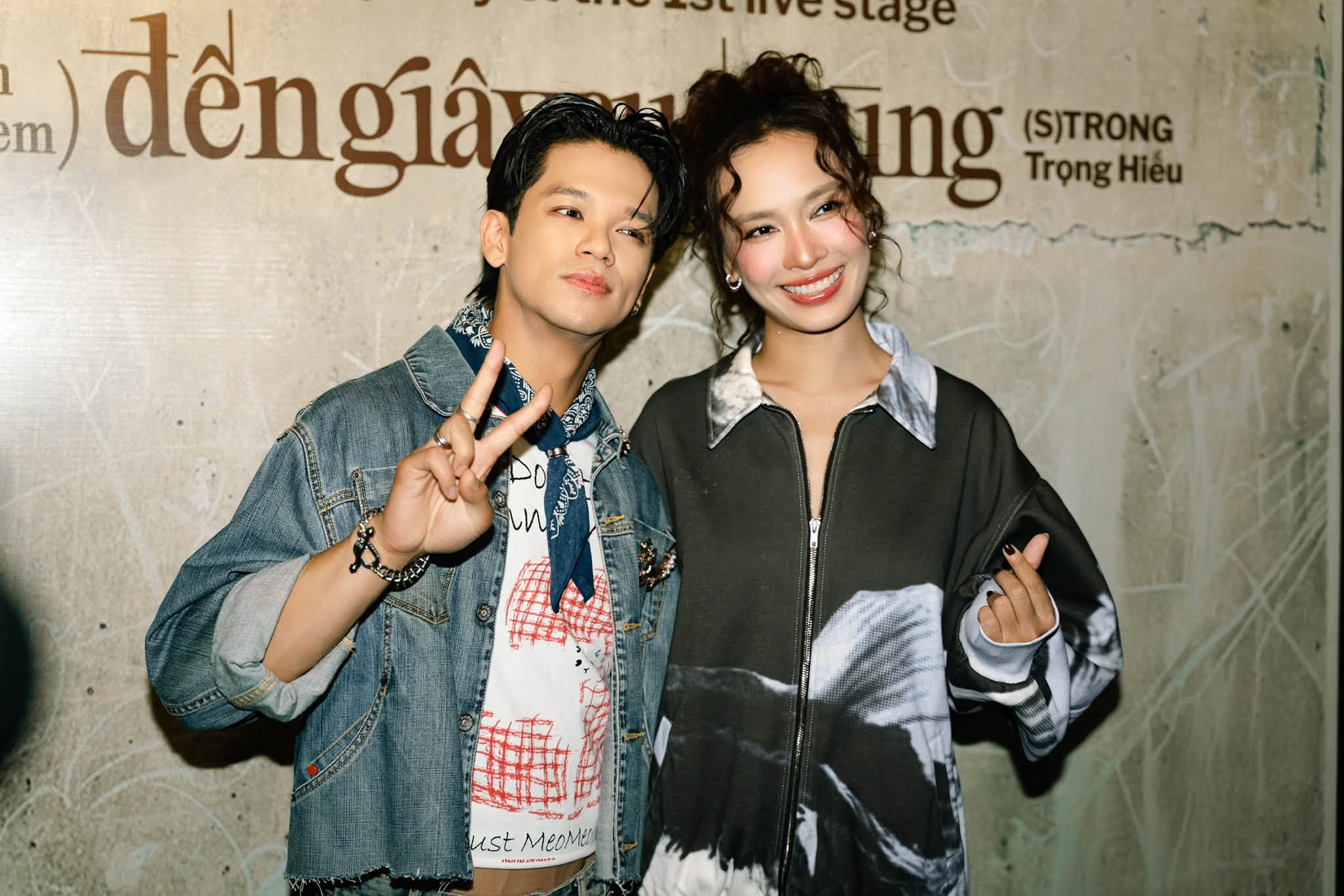
Songwriter Nguyễn Hải Phong wrote on his personal Facebook page: “He’s such a lovable young man that it’s no surprise he’s backed by such a great team. Congratulations on the successful release of your new music video, ‘(anh vẫn yêu mỗi em) đến giây cuối cùng’, (S)TRONG”.
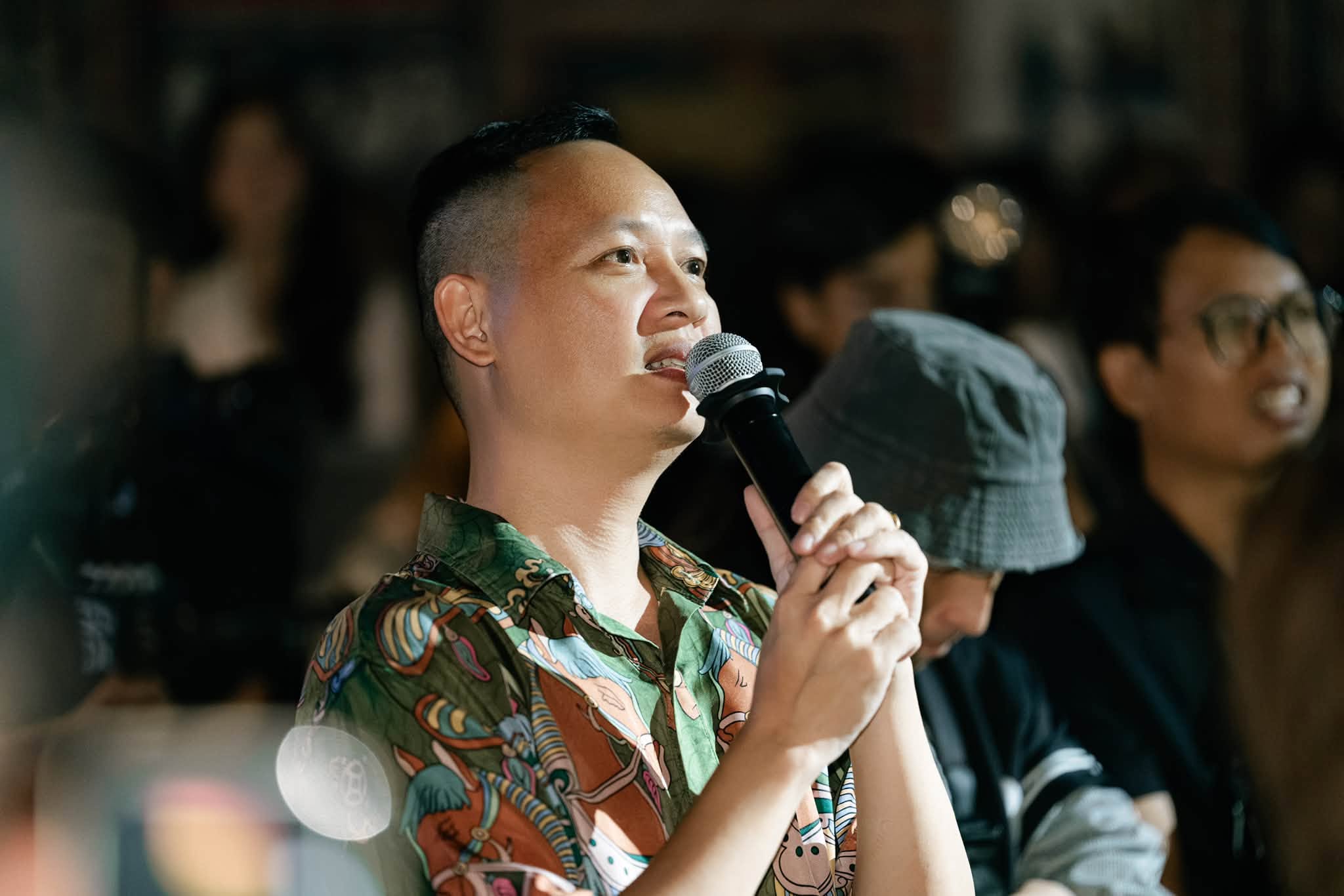
Nguyễn Công Minh, Founder & CEO of NỮ DOANH NHÂN – BusinessWoman Magazine, shared: “One thing I’ve always liked about Hiếu is that there’s almost no difference between the person on stage and the person who steps off it. The energy is the same. The way he talks is the same. I don’t think Trọng Hiếu is someone who enjoys talking about himself. If anything, there are times when his answers are so brief that the listener has to connect the dots on their own. But the more often I’ve met him, the more I’ve come to realize that Hiếu prefers to let his work speak for itself. Perhaps that’s why, when he was asked whether the song was written for a specific person, he almost instinctively rejected that line of questioning and handed the interpretation back to the listeners“.

Read more: