


 Hien Dang
There are places that win travellers over with an immediate sense of spectacle. Cebu is not one of them. It does not open with visual dominance, does not stage a “wow” moment, nor does it attempt to display all its advantages in a single frame. Yet the longer one stays, the closer one looks, the deeper one moves through its layers of experience, the clearer this becomes: Cebu operates on a quietly intelligent tourism structure, carries an identity that is present but not loud, and possesses an operational solidity strong enough to position it as a serious contender on the regional travel and MICE map.
Original Vietnamese version available here: Đọc bài viết tiếng Việt
Text: NGUYỄN CÔNG MINH
“Cebu is a destination that operates better than it appears”
My return to Cebu this time began late. After flying from Ho Chi Minh City to Manila and connecting onwards to Mactan, I arrived close to 11 p.m. What appeared first was not a city of overwhelming lights, nor the disorientation of an over-visited destination. Cebu, at that first moment, felt composed, contained, and quietly restrained. In retrospect, that impression was entirely accurate.
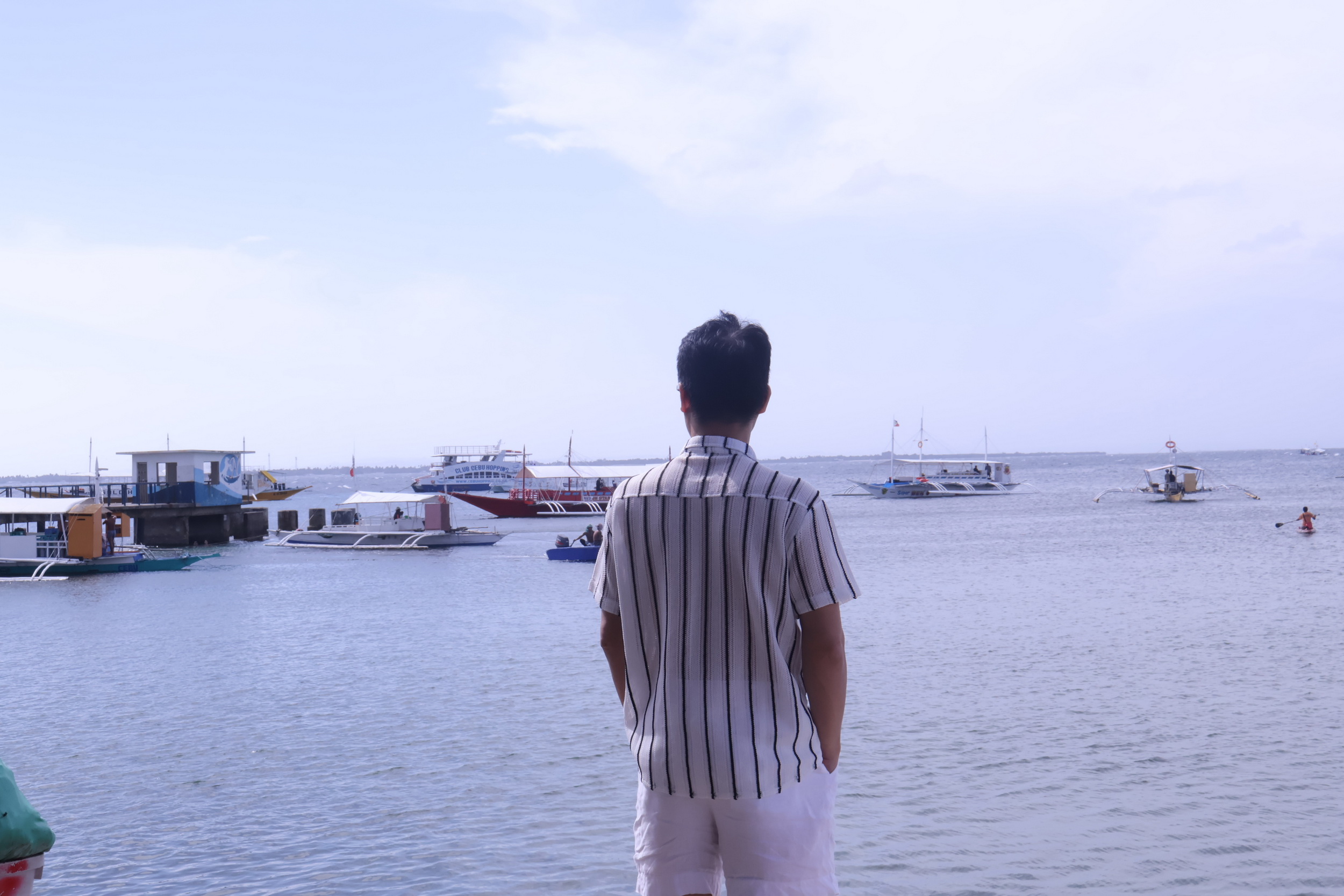
Cebu does not persuade through slogans. It convinces through consistency of experience, through the way its elements connect logically, and through a kind of appeal that resists being packaged into a tagline. If one had to define it precisely, Cebu is a destination that operates better than it appears. In today’s tourism landscape, that is a significant advantage.
During this trip, I did not only observe the destination but also arranged a working session with Gemma G. Narrido, Director for MICE / Operations at Uni-Orient Travel, a Destination Management Company (DMC) actively handling inbound international programmes in Cebu. The intention was straightforward: what travellers experience is often only the visible layer. What matters more is how a destination is structured behind the scenes, how programmes are designed, how components are integrated, and whether the system is robust enough to operate consistently at scale. These answers do not sit in presentations, but reveal themselves through execution.
Cebu’s sea remains natural and that is its value
From a leisure perspective, the sea is the most immediate way to assess whether a destination is truly worth visiting. Island hopping around Mactan through stops such as Hilutungan, Caohagan and Nalusuan, is not merely a checklist activity, but effectively a test of how Cebu treats its natural resources.
What stood out most was not the clarity of the water, the abundance of fish, or the photogenic angles, but the fact that the experience still retains a necessary degree of authenticity.
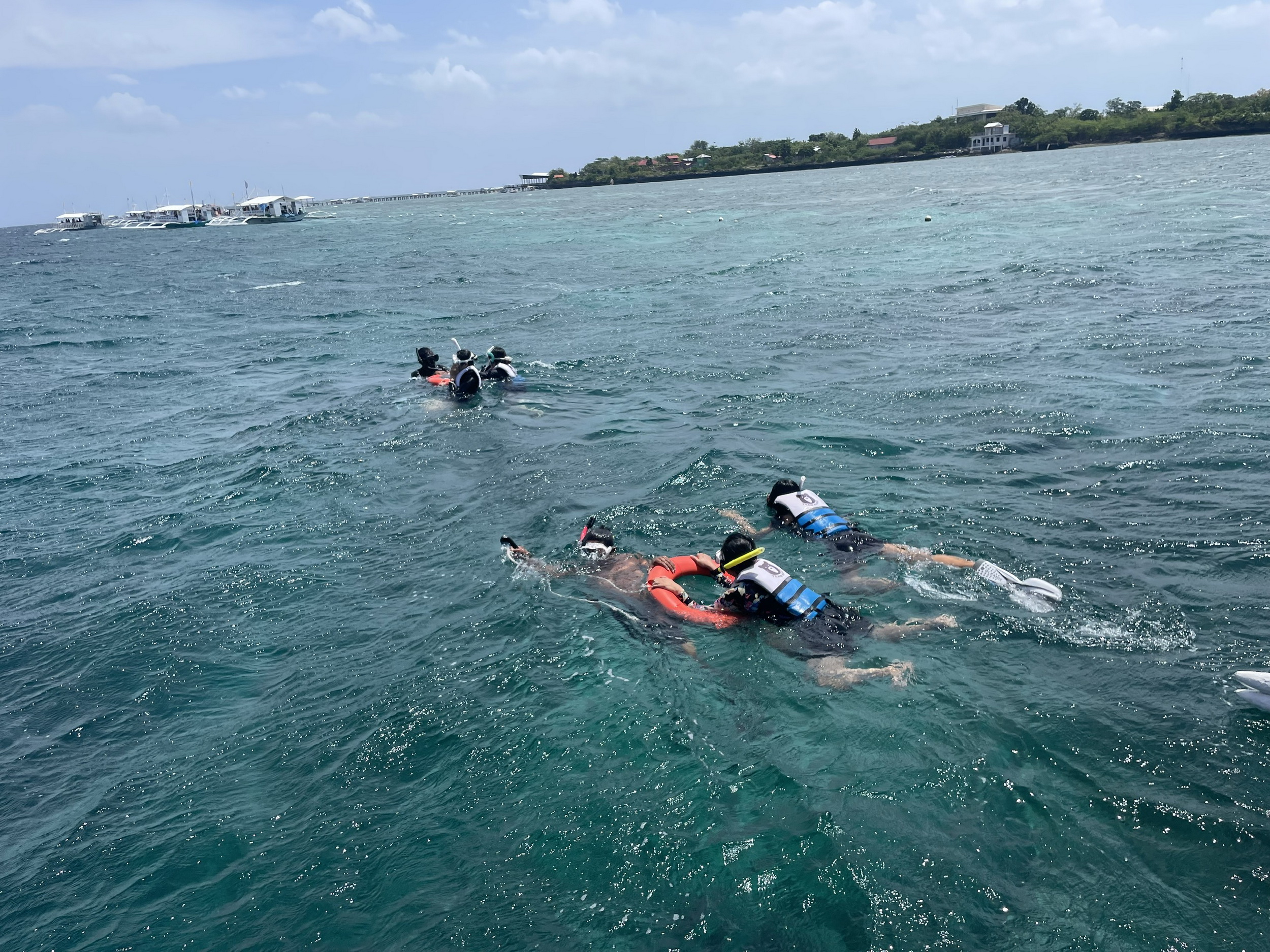
At Hilutungan Marine Sanctuary, the water is clear enough to reveal movement below without effort. Fish come close enough to engage, but not to the extent of becoming a staged performance. Its strength lies precisely in not trying too hard. It exists as it is, and when a destination does not need to perform for approval, the experience becomes more credible.
“A destination does not need to be exceptional if it preserves the clarity of experience, it is already worth reconsidering”
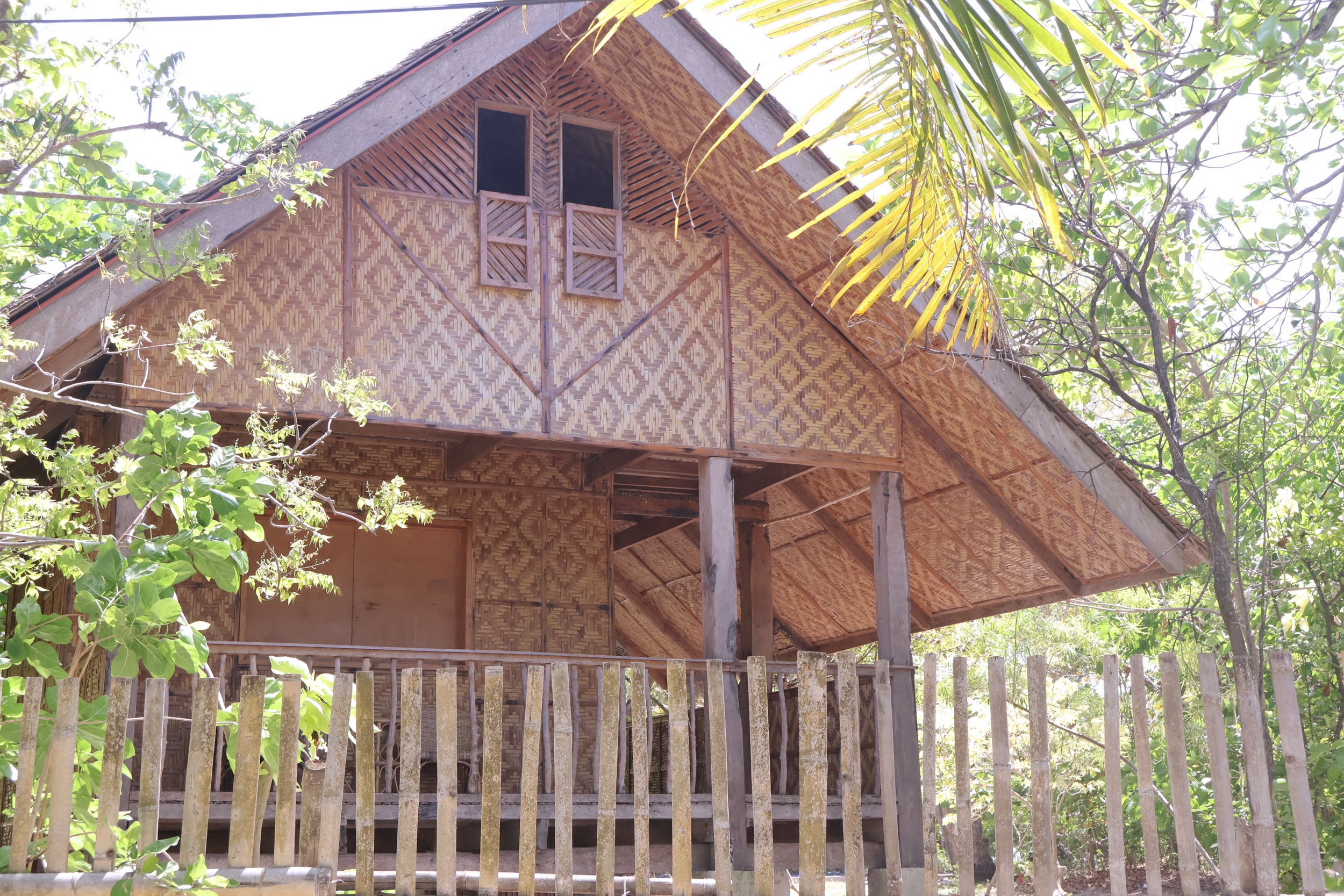
Caohagan reveals another layer. It does not feel standardised for tourism. It is not “clean” in the brochure sense, nor does it aestheticise local life to become photogenic. That lack of polishing matters. Across Southeast Asia, many destinations have been overly curated to appeal visually, often at the expense of authenticity. Caohagan, at least for now, has not fully crossed that line. It remains textured, slow and imperfect enough to be recognised as a living community rather than a staged environment.
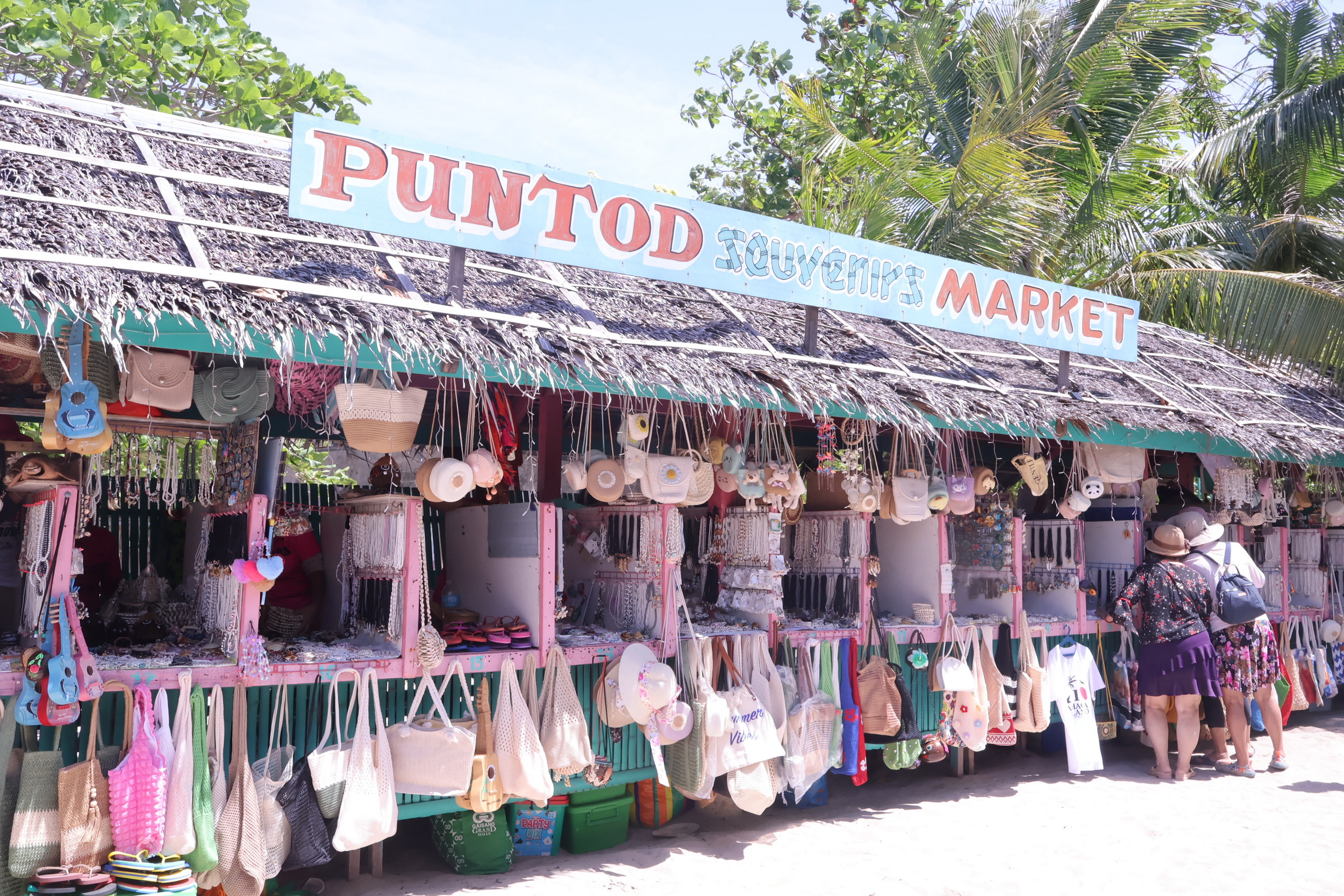

Nalusuan, by contrast, carries a more recognisable tourism identity. Its long wooden jetty, pale blue water and open setting quickly produce attractive imagery. Yet even here, Cebu has not tipped into over-commercialisation. Visitor density and operational rhythm remain within a tolerable threshold. The experience still allows for the sense of being within nature, rather than inside a controlled flow of consumption.
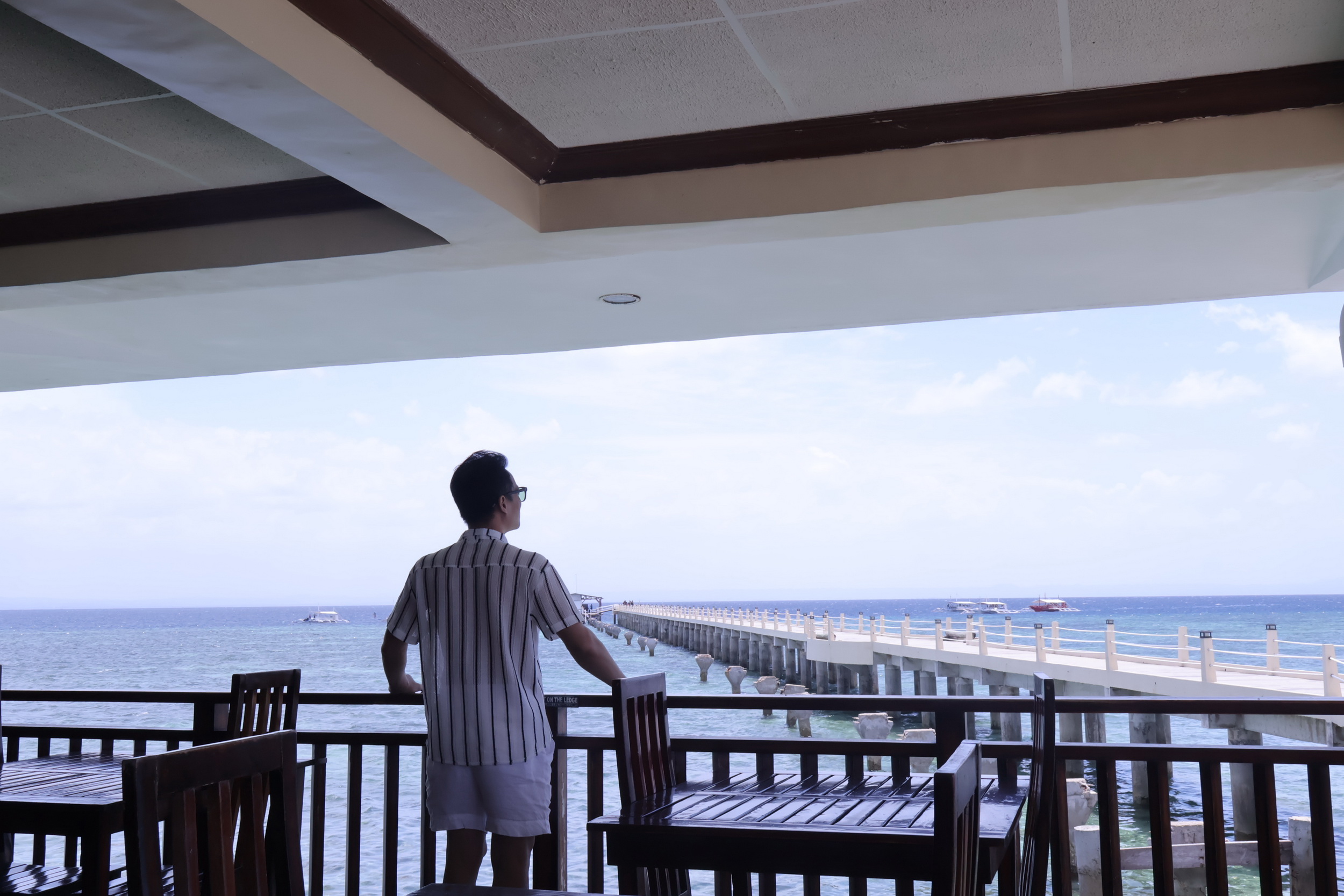
In short, Cebu’s coastline does not necessarily outperform the region’s leading destinations. It does not rival Bali in symbolism, does not deliver the “luxury postcard” effect of certain Thai islands, nor does it offer the exclusivity of the Maldives. What it does retain, however, is something increasingly rare: it has not been pushed too far.
A beach destination does not need to be the best. But if it preserves clarity of experience, avoids fatigue from overcrowding, and does not reduce visitors to mere “traffic units”, it deserves to be reconsidered. Cebu succeeds where many others fail: it keeps the experience at a balanced threshold.
From a market perspective, this positioning aligns particularly well with regional travellers. According to Uni-Orient, Asian visitors, including those from Vietnam, are increasingly seeking destinations that combine multiple experiences within a short timeframe, at reasonable cost and with convenient logistics. Cebu currently fits that structure well.
One of the common mistakes in tourism today is the assumption that destinations must continuously create peak experiences, bigger, better, stronger, more different. This leads to a paradox: the more some places invest, the more exhausting they become. Experiences turn overly programmed, overly self-aware. Cebu is interesting precisely because it has not fully fallen into that trap.
Mactan’s resort system: internationally standardised, yet lacking a distinct memory
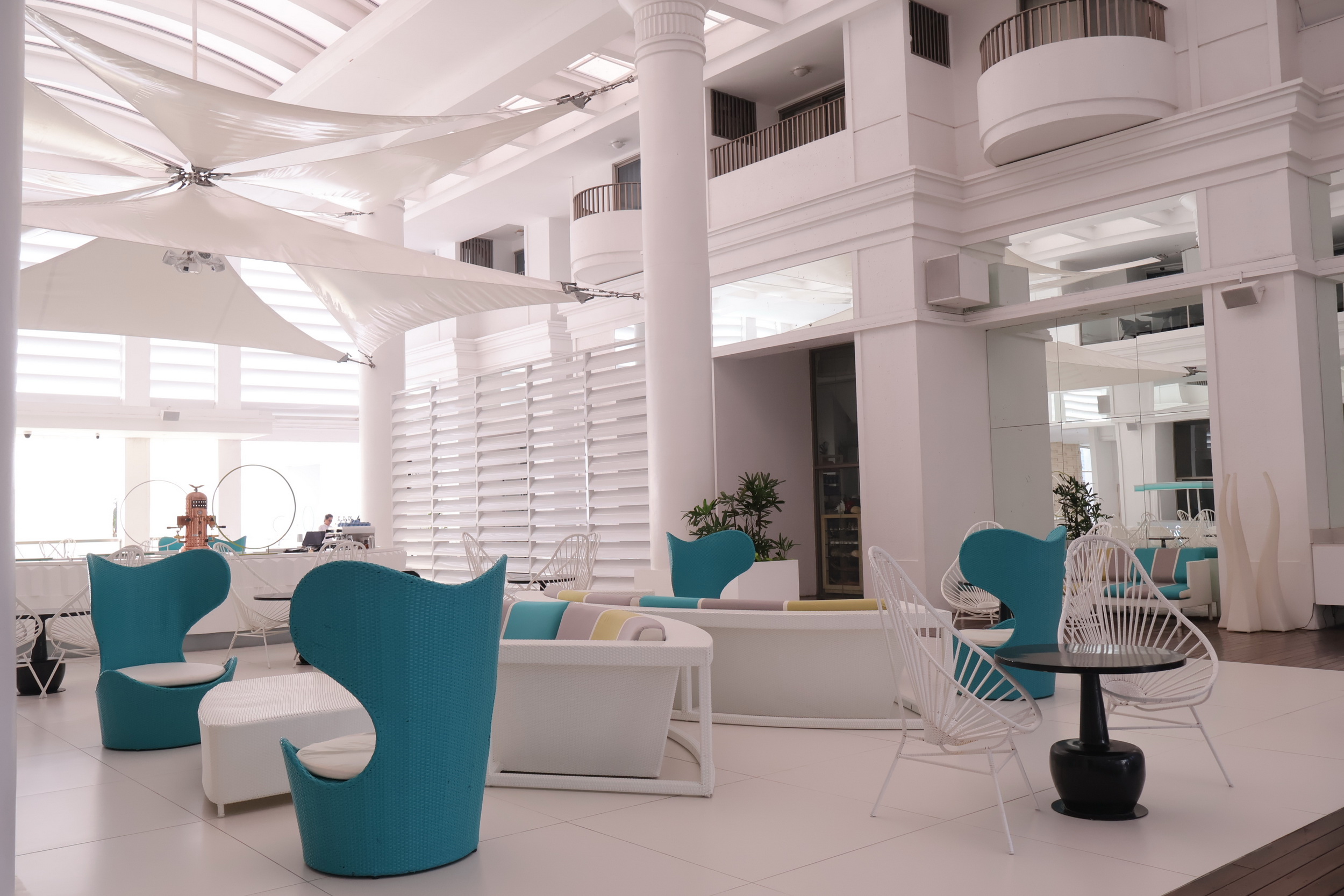
From a product standpoint, Mactan offers enough to satisfy most regional beach travellers. International resorts are present, service levels are solid, spaces are well designed, and airport connectivity is convenient. Mövenpick delivers the familiarity of a standardised global brand, while Plantation Bay stands out through scale and lagoon design. Overall, Cebu’s accommodation infrastructure is far from weak. However, beyond functionality, there remains a gap. Cebu performs well at the level of “standard” but has not yet moved into the territory of “distinctive”.
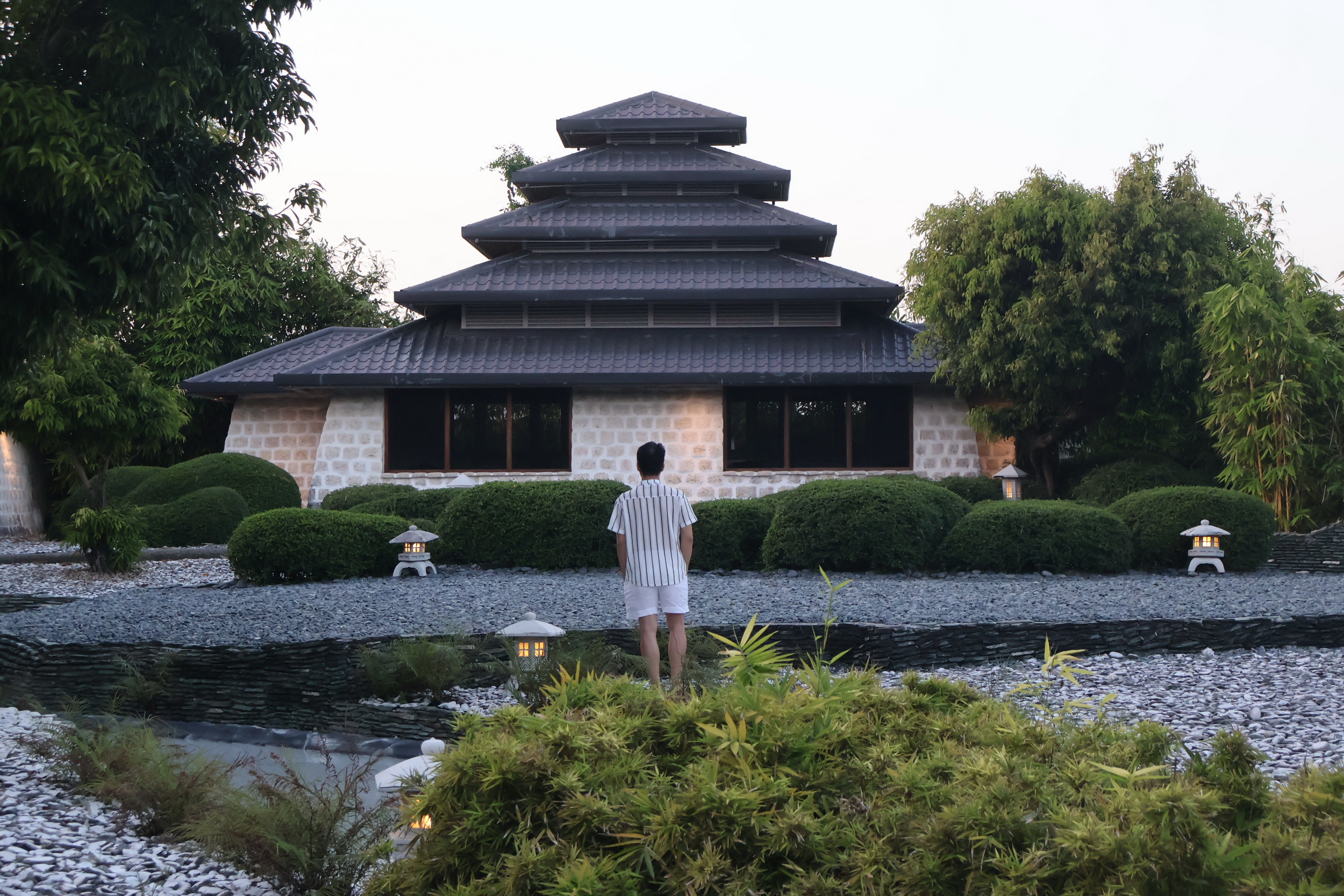
The difference between a good resort and a memorable one lies in what guests recall after leaving. In some destinations, it is a scent, a ritual, a signature experience, or a space that exists nowhere else. In Cebu, at least within the scope observed, everything functions well but does not yet create a sufficiently strong memory hook.
This is not a major issue for leisure travellers, but if Cebu aims to move further into the premium or incentive segment, it becomes a gap worth addressing. In a market filled with competent options, standardisation alone is no longer enough. There must be a reason to remember.
Cebu as a MICE destination: no longer an idea but a structured direction
At the B2B Networking Session on 15 March at Mövenpick, alongside PDOT, Mactan-Cebu International Airport representatives and local resorts like Belmont & Savoy Hotel, Crimson Resort & Spa Mactan, Dusit Thani Mactan, Fili Hotel, Holiday Inn Cebu, JPark Island Resort & Waterpark, Maayo Hotel, Mezzo Hotel, Mövenpick Cebu, One Tectona Hotel, Plantation Bay Resort & Spa, Shangri-La Mactan, Solea Mactan Resort, Summit Galleria Cebu, The Reef Island Resort, Quest Hotel Cebu… one thing became clear: Cebu is no longer positioning itself solely as a leisure destination. It is approaching MICE as a defined strategy rather than an experiment.
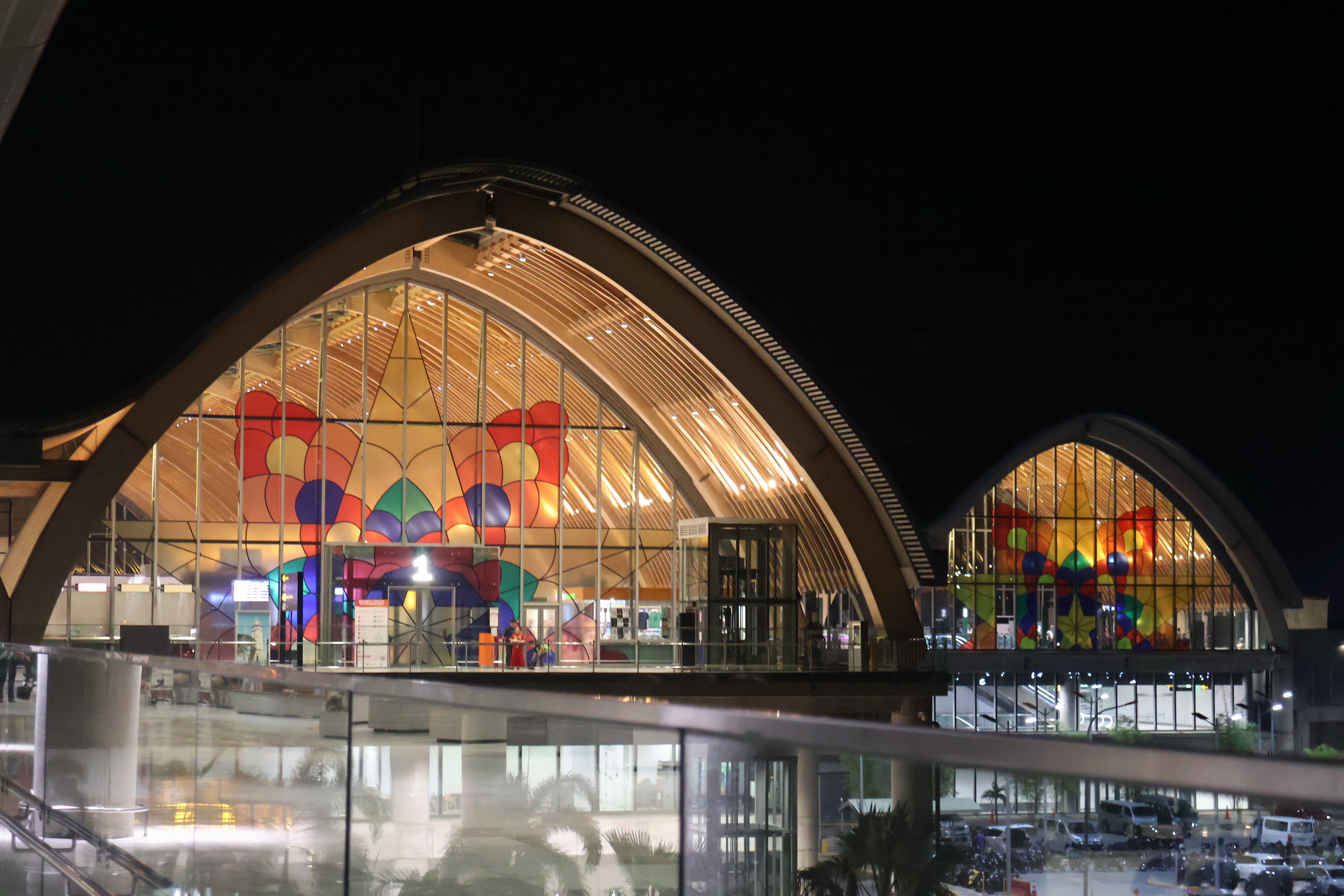
The fundamentals are evident. Cebu is well positioned geographically for short-haul travel across Asia, making it suitable for incentive trips and mid-scale conferences. Its resort infrastructure is adequate, and its mix of experiences, beach, island hopping, local culture, wellness and cuisine, can be assembled into cohesive MICE programmes.
“A destination only truly works when its backend is strong enough that guests do not notice it at all”
More importantly, Cebu appears to be taking a pragmatic approach. It is not attempting to compete directly with Singapore or Bangkok, nor positioning itself as a global hub. Instead, it builds on tangible strengths: accessibility, natural assets, sufficient infrastructure, competitive costs, and the ability to deliver compact yet complete incentive experiences. It is a grounded strategy.
Many destinations fail in MICE development by assuming that hotels and ballrooms are sufficient. In reality, MICE is an ecosystem, air connectivity, transport, coordination among suppliers, reliability of local partners, ease of programme design, and above all, the assurance that everything remains under control.
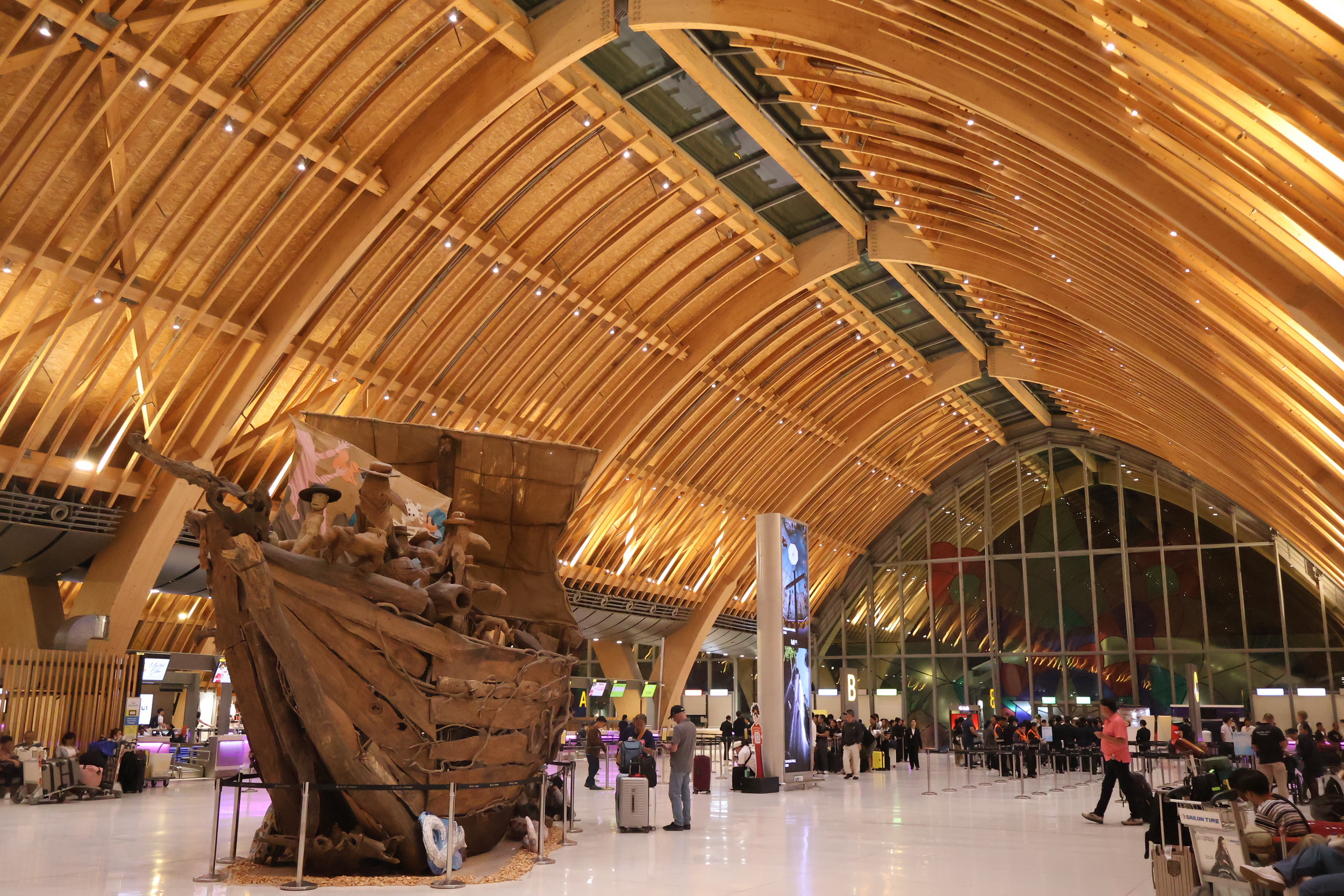
From an operational standpoint, the role of Destination Management Companies (DMCs) becomes critical. As articulated by Uni-Orient Travel, their function is not limited to programme execution, but extends to acting as the coordinating layer between international clients and the local ecosystem, ensuring continuity from planning to on-ground delivery.
A destination only truly performs when its backend is strong enough that guests never need to notice it. This is precisely where Cebu performs better than it appears.
City tours: depth exists but storytelling remains underdeveloped
Cebu’s city tour reveals that the destination has sufficient historical material to construct compelling narratives but has not yet fully translated it into engaging experiences.
From Mactan Shrine and Alegre Guitar Factory to CCLEX and the historical centre, Fort San Pedro, Magellan’s Cross, Basilica del Santo Niño, Heritage of Cebu Monument, Casa Gorordo Museum, Cebu has the substance. What it lacks is a more refined narrative delivery.
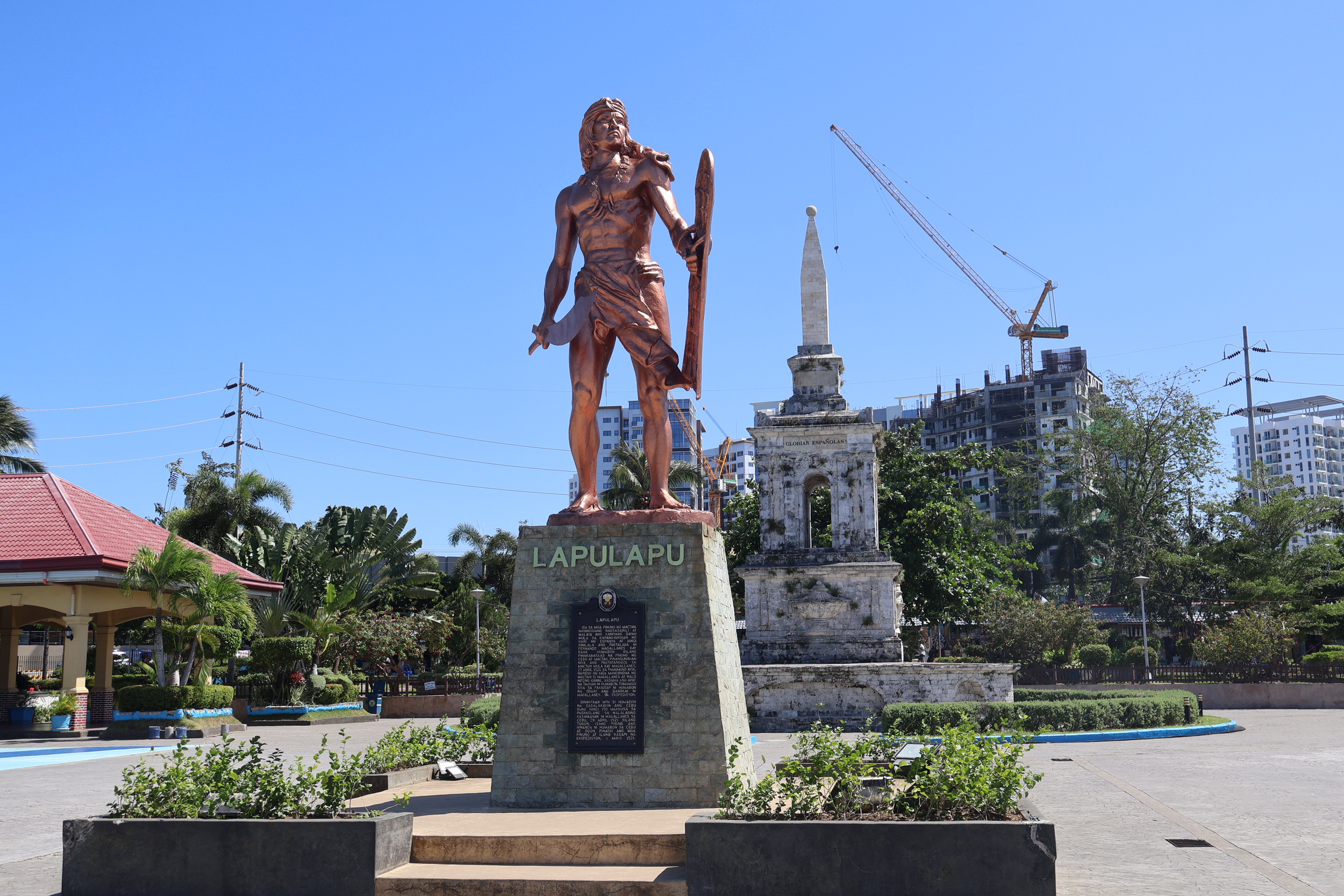
Mactan Shrine carries strong symbolic weight. The story of Lapu-Lapu defeating Magellan is not merely historical, it represents national identity. Yet from a visitor experience perspective, its interpretation remains relatively basic.
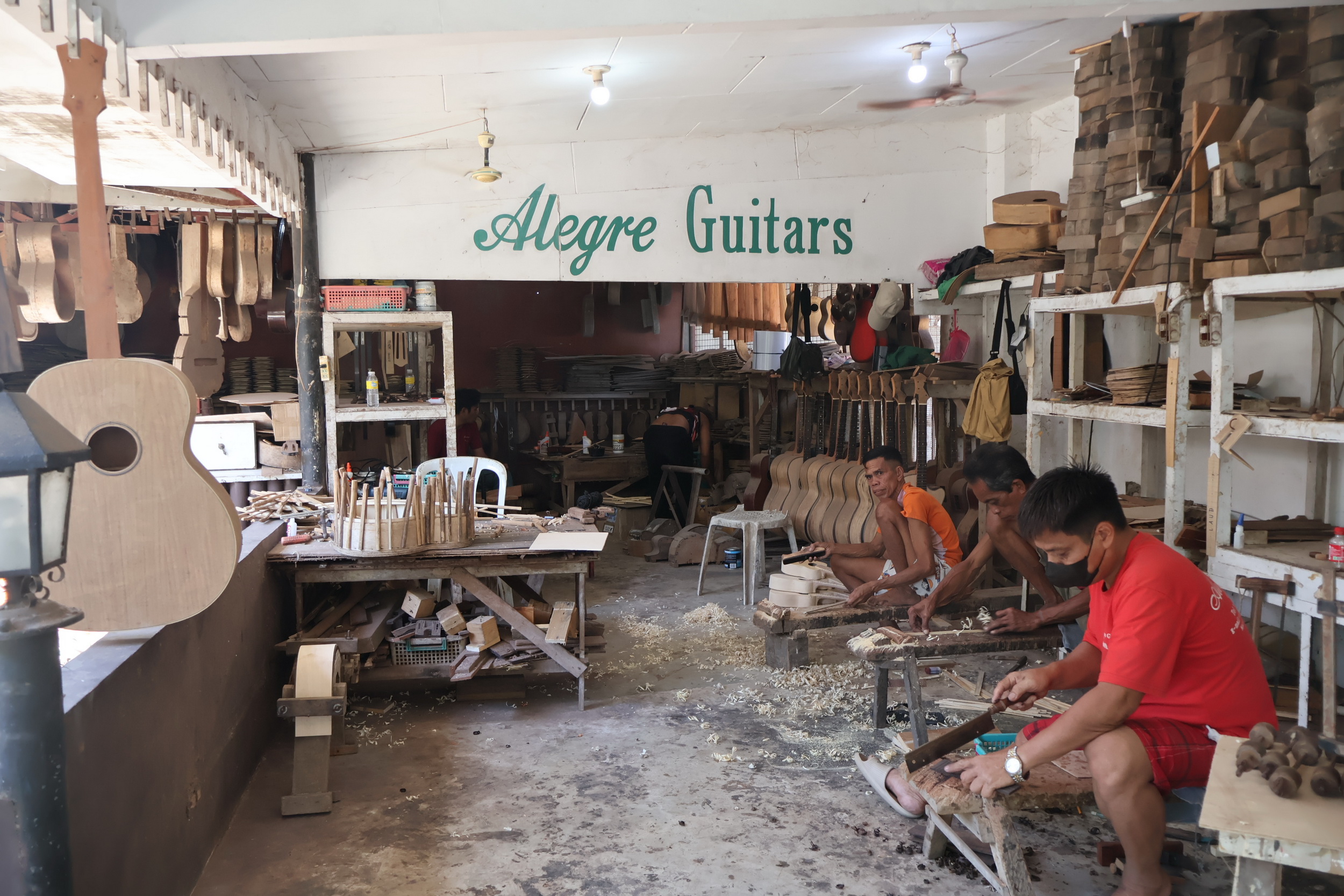
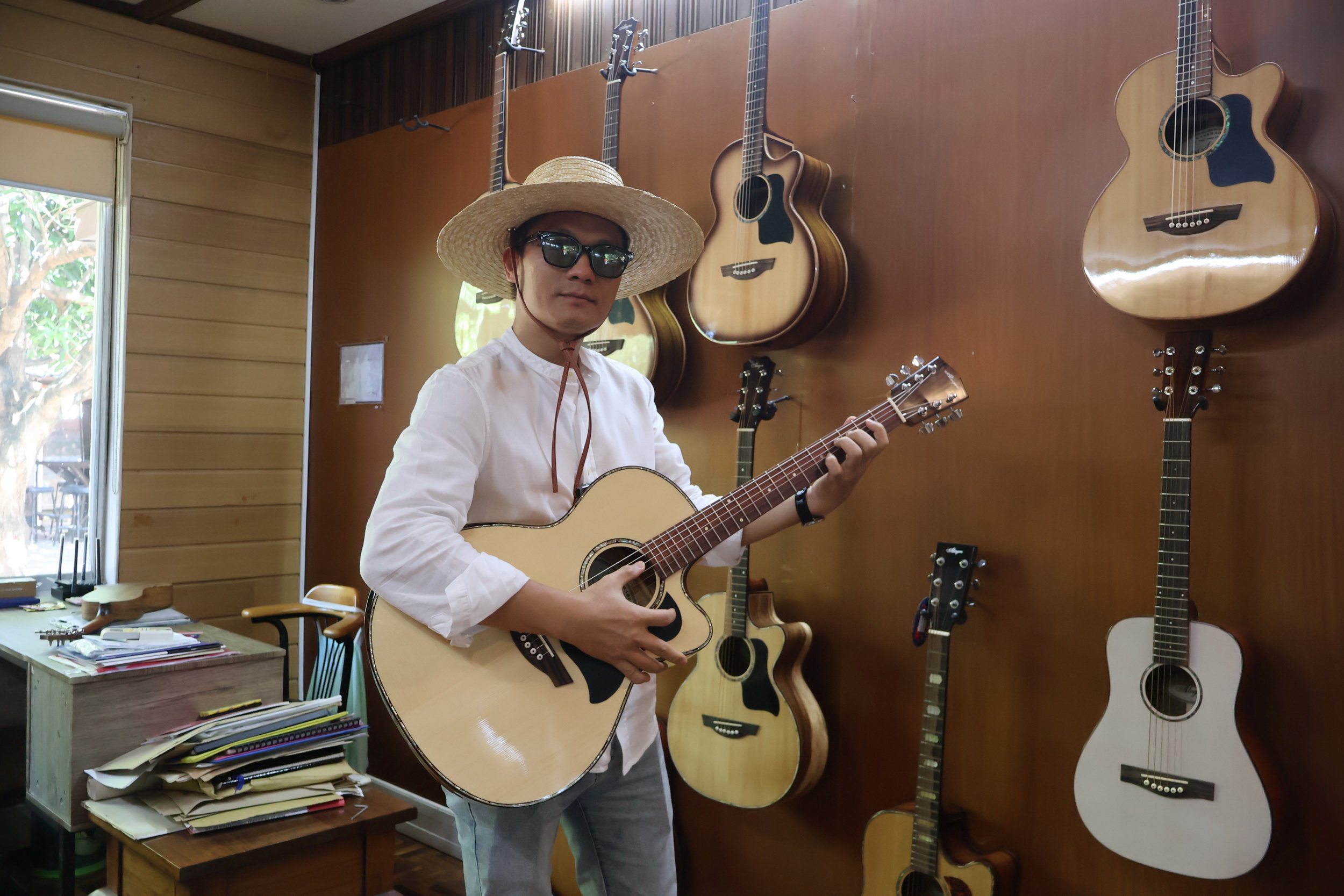
Alegre Guitar Factory offers a different kind of value, rooted in craftsmanship rather than scale. The act of hand-making instruments carries inherent appeal, particularly in contrast to mass production. With stronger storytelling, it could become a standout cultural stop.
CCLEX, on the other hand, represents a modern Cebu, an island strengthening its infrastructure and expanding its urban capacity. It reinforces Cebu’s relevance for MICE, demonstrating that it is not confined to its image as a beach destination.
The historic centre itself feels understated compared to other cities in the region. It does not overwhelm visitors, but its lack of theatrical presentation carries its own value. Cebu does not turn history into a theme park, it allows it to coexist within everyday life.

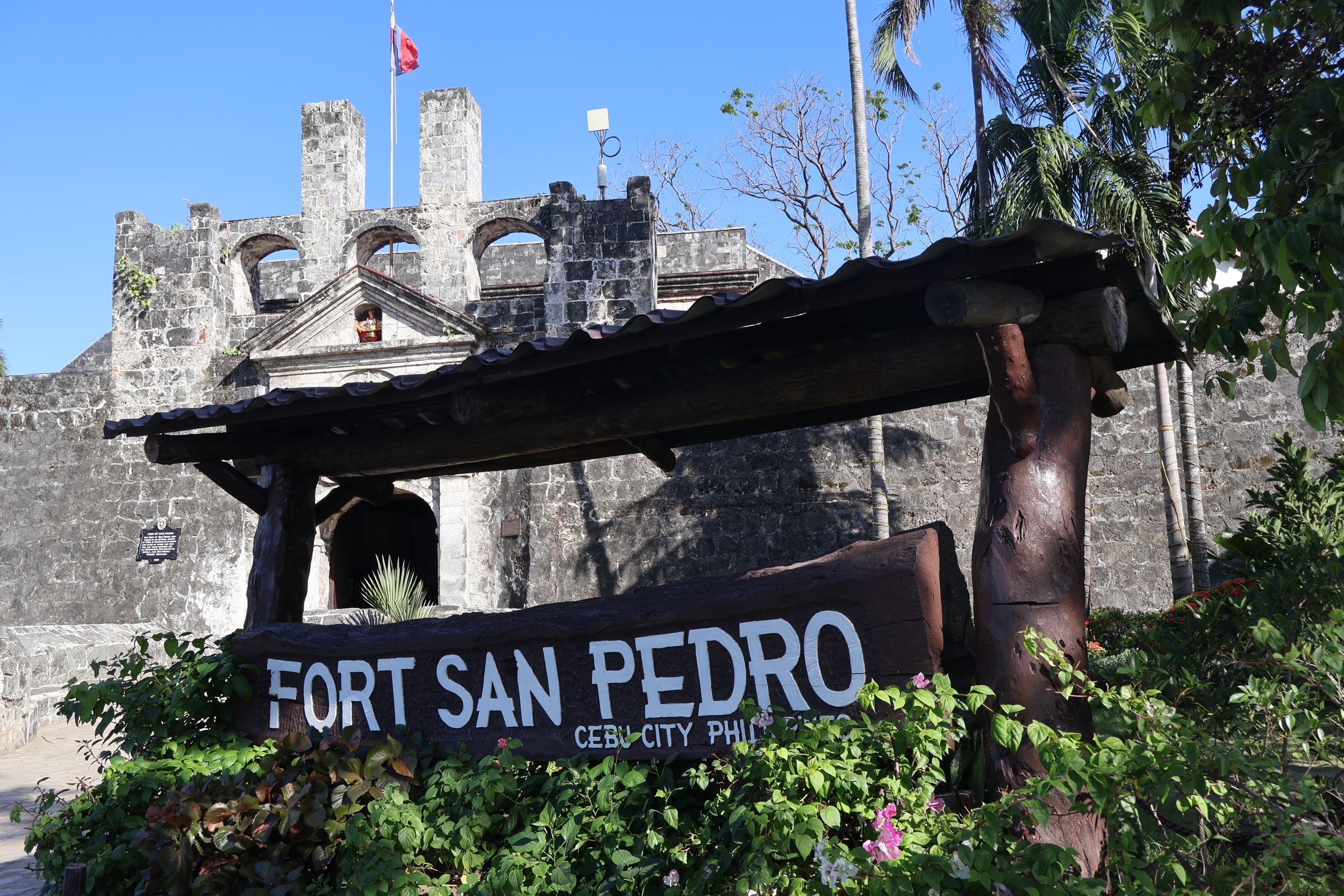
One notable direction is the introduction of structured travel formats such as the Seat-N-Coach platform, a shared transportation platform operating on fixed schedules across multiple tour operators and travel agents. According to Uni-Orient Travel, the value of this model lies not merely in cost efficiency, but in its ability to standardise operations while maintaining consistent service quality. When implemented properly, Seat-N-Coach goes beyond logistics. It creates opportunities to integrate local immersion into the journey, from community-based weaving initiatives to family-run businesses, making them part of the experience rather than just optional stops.
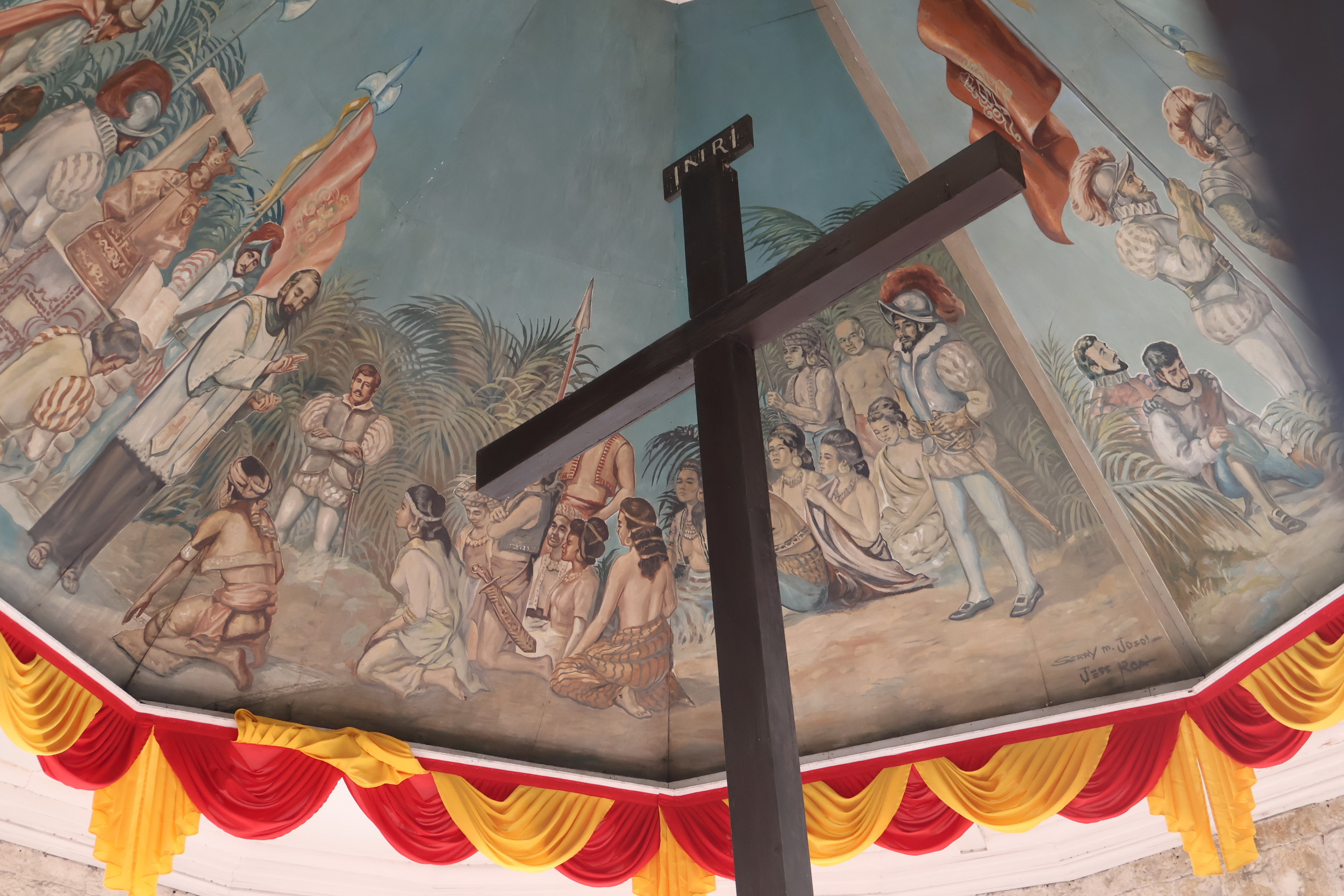
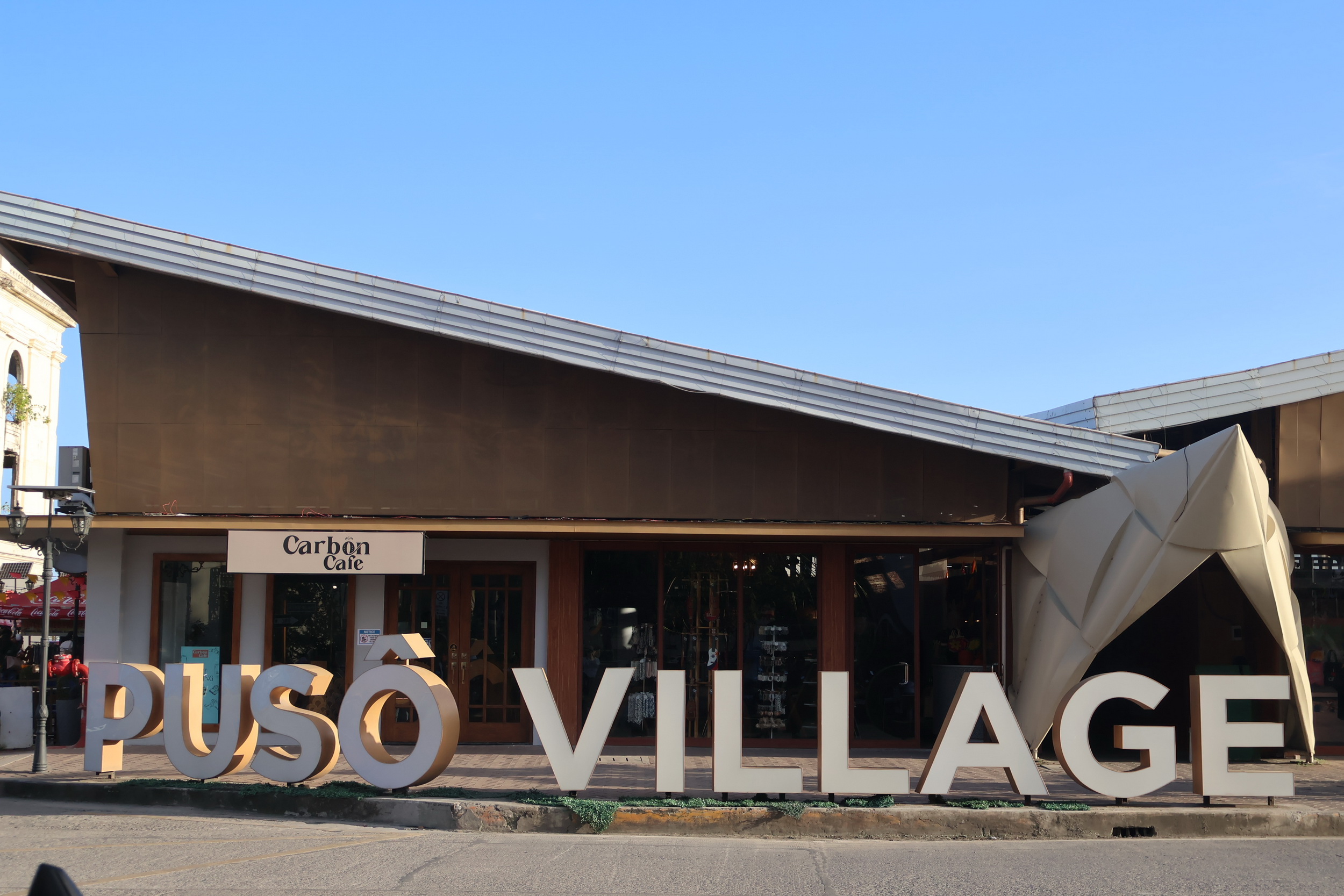
Puso Village and Carbon Market: where the destination reveals itself
Any serious understanding of Cebu cannot stop at resorts, beaches, and churches. Puso Village and Carbon Market are where the destination reveals its true character.
“Puso”, rice wrapped in woven coconut leaves, is not designed for visual appeal. It belongs to daily life, and for that reason, it matters more than many curated culinary experiences. A strong destination is defined not only by what it chooses to display, but by what its people genuinely live with.
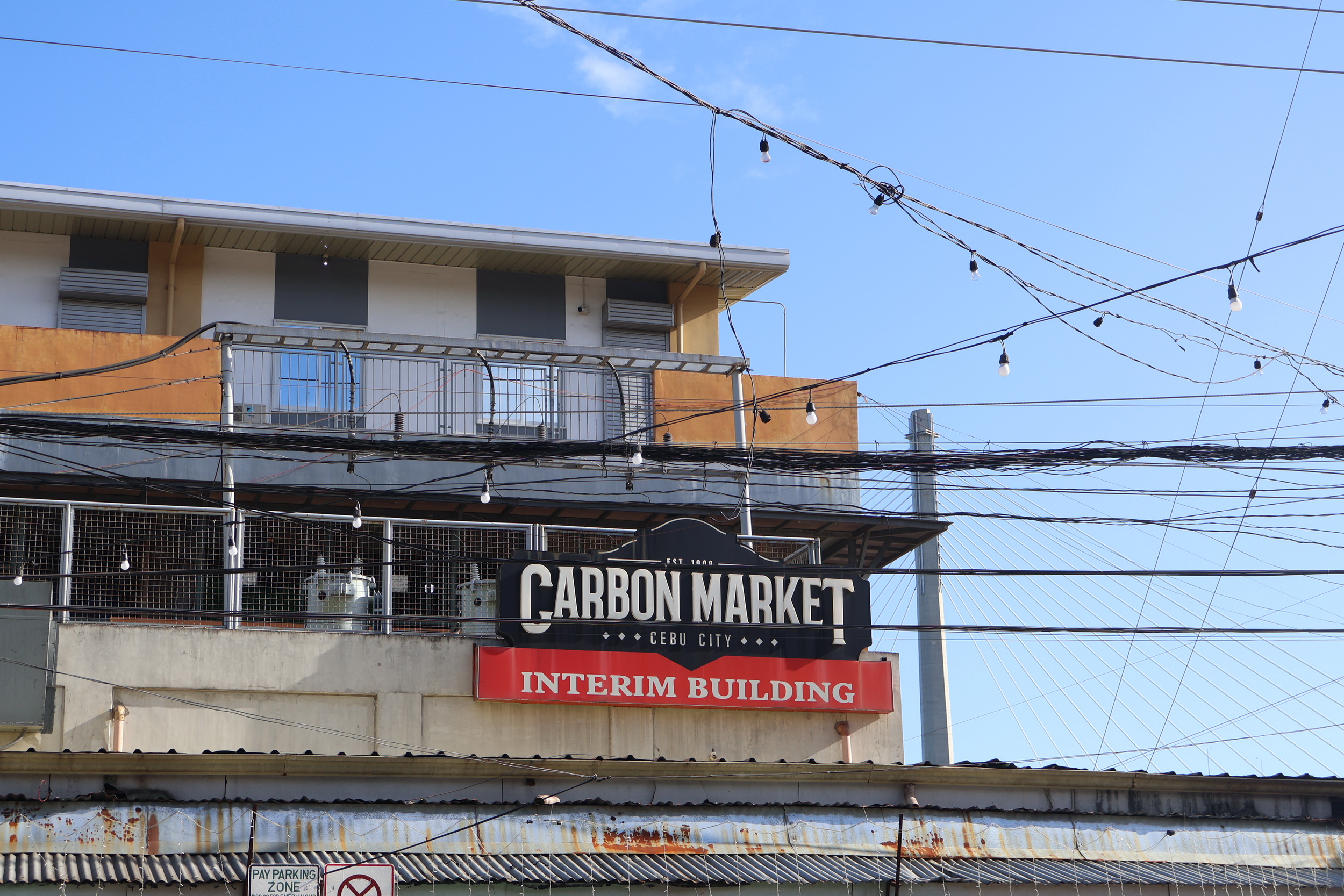
Carbon Market, the oldest market in Cebu, tells a similar story. It is not visually polished, not curated, and not branded. But if one wishes to understand whether a city is real, one must look at its markets. Carbon Market shows that Cebu’s daily rhythm has not been entirely flattened by tourism.
Cebu is not perfect and that may be its greatest strength
Cebu is not the most outstanding destination in Southeast Asia. It does not dominate visually, does not offer flawless service, and does not yet possess a sharply defined brand identity. Yet precisely because it has not been over-refined, it retains qualities that more successful destinations have lost.
It still has breathing space. It still feels real. It still allows experiences to unfold without forcing them into performance.
In tourism, imperfection is not always a flaw. Sometimes, it is what preserves humanity within a place.
Cebu, at this stage, occupies an interesting position: developed enough to function well, not yet overexploited; visible enough to attract visitors, not yet saturated to the point of self-destruction; equipped with infrastructure for MICE, yet still with room to evolve. In simple terms, Cebu is still in a phase where it can grow without losing itself. That is reason enough to return.
“Not every traveller needs the number one destination. Sometimes, a place that simply fulfils its role is more than enough”
A destination does not need to be number one to be worth choosing
Tourism often celebrates the top, most beautiful, most luxurious, most famous. But not every traveller seeks the number one destination. Many simply need a place that fulfils its role: sufficiently relaxing, sufficiently insightful and sufficiently versatile to accommodate different needs within a single journey. Cebu sits precisely in that space.
It does not need to be another Bali, nor a new Phuket, nor an overnight global hub. Its strength lies in its ability to be multiple things at once, beach, resort, incentive destination, historical city, and a place that still retains elements of local life without exhausting itself.
In an increasingly commercialised and competitive regional landscape, that is not a minor value. And perhaps that is the real reason Cebu deserves to be reconsidered, not as a secondary option, but as a destination that is quietly more effective than it appears.

Read more: