

 Hien Dang
In an industry driven by speed where trends can emerge and disappear within a handful of seasons, the endurance of a single motif for more than a century borders on the improbable. Yet the Monogram of Louis Vuitton stands as that rare exception. Created in 1896, the Monogram has not merely withstood the passage of time; it has evolved into one of the most powerful visual identifiers in global luxury, where a single glance is enough to signal origin, value and the stature of the House behind it.
Text: MINH NGUYỄN
Original Vietnamese version available here: Đọc bài viết tiếng Việt
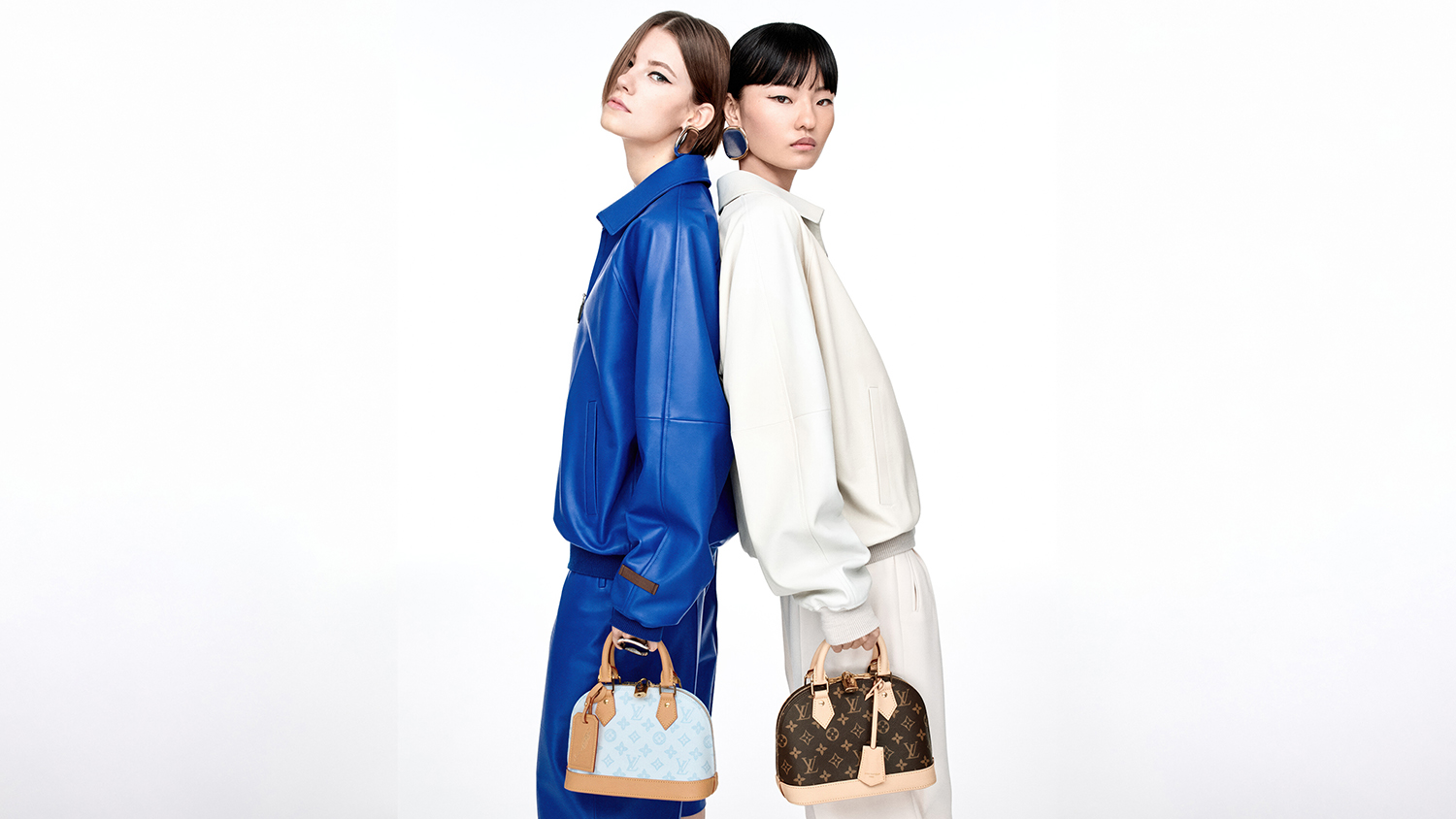
As the calendar turns to 2026, Louis Vuitton marks 130 years of the Monogram, an anniversary that carries more than historical weight. It raises a broader and more pressing question: what allows a design to endure so long in an industry famously unforgiving of anything deemed old?
The Monogram Was Never About Decoration
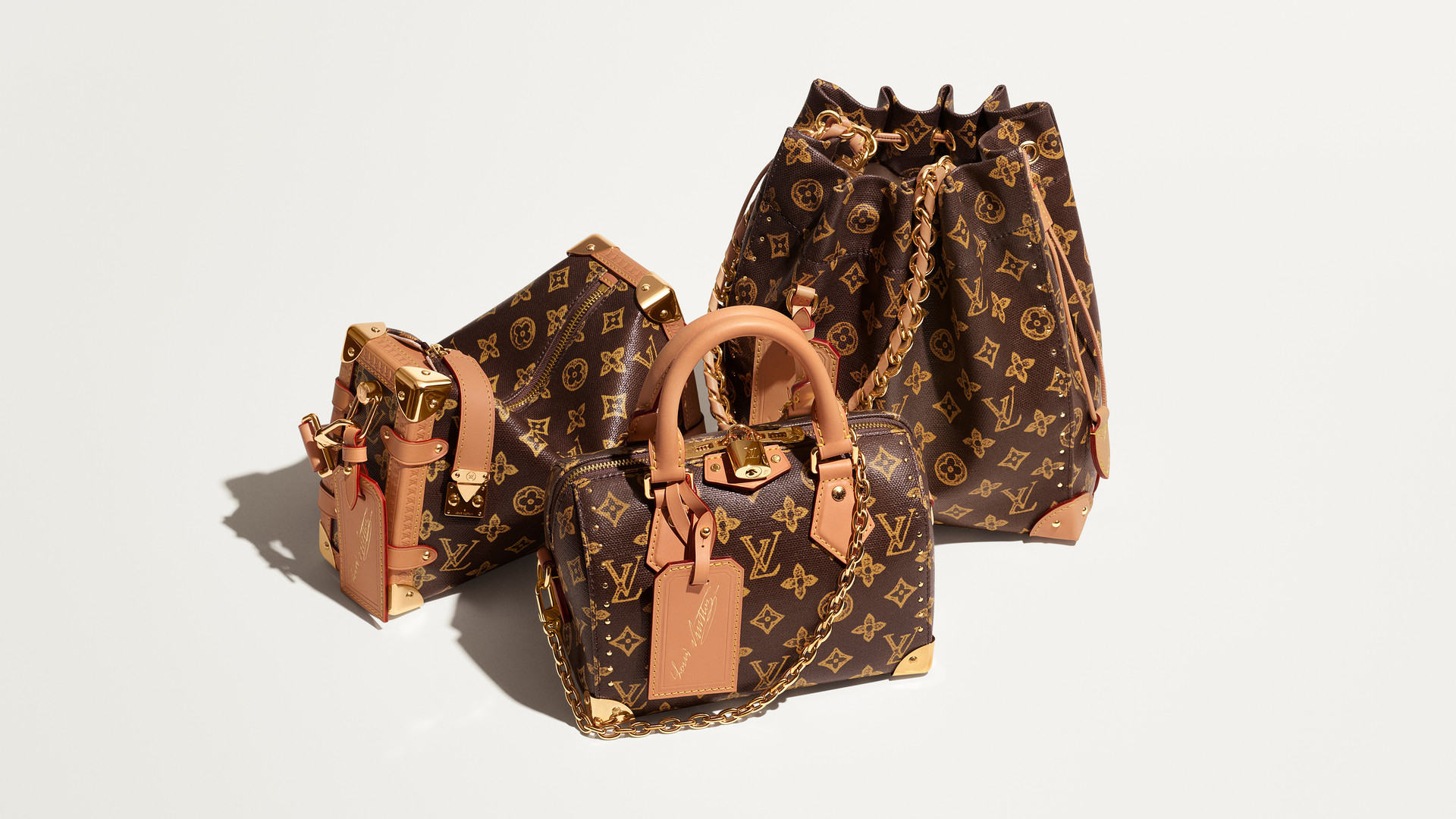
Unlike many fashion icons born of aesthetic impulse, the Monogram of Louis Vuitton was conceived with a distinctly pragmatic purpose. At the close of the 19th century, as commerce accelerated and counterfeiting began to surface, Georges Vuitton, son of the House’s founder, sought a way to protect the family’s celebrated travel trunks. The Monogram was not designed to impress; it was created to authenticate.
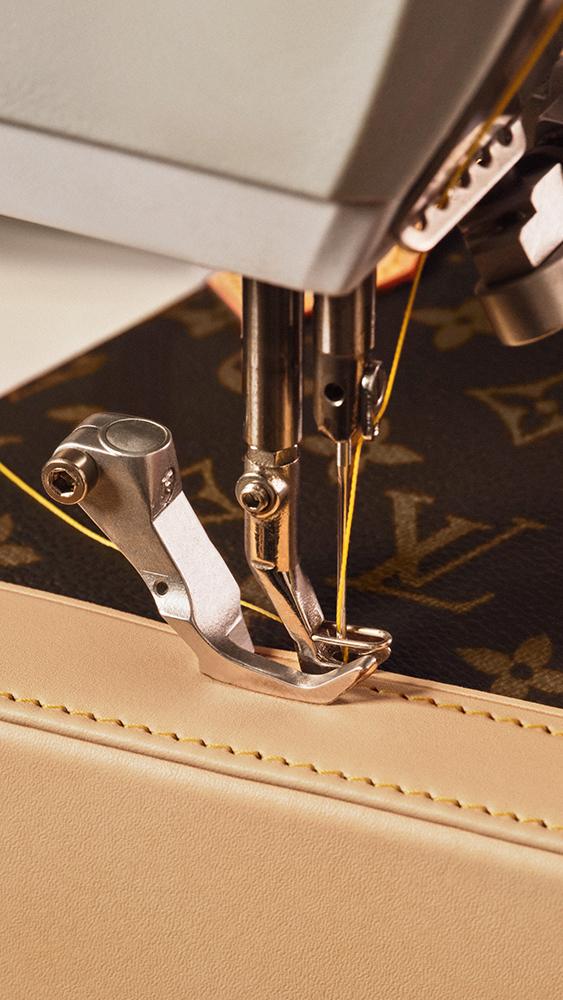

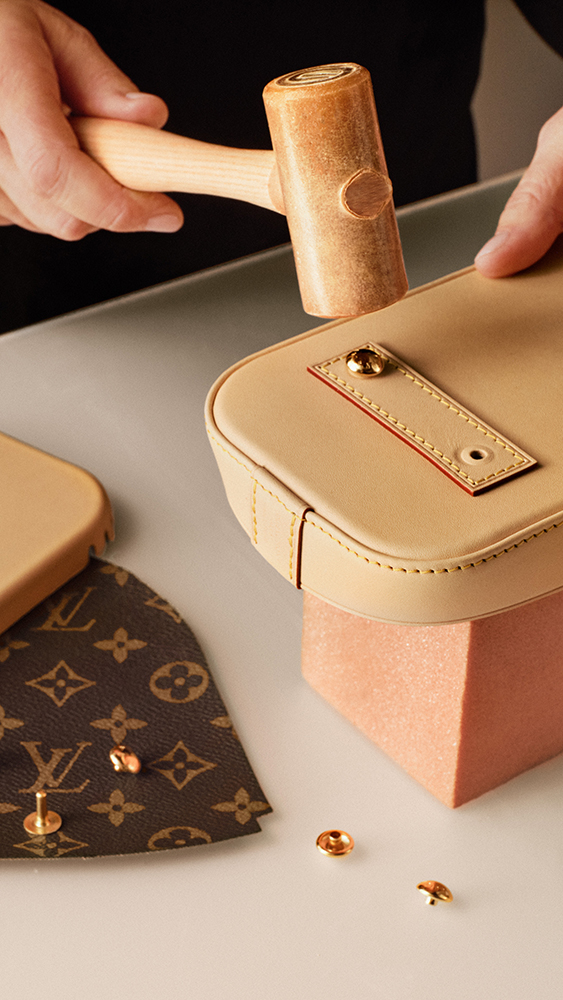
Drawing on Neo-Gothic ornamentation and the influence of Japonism then spreading across Europe, Georges Vuitton devised a complex visual structure of interlaced LV initials and floral-geometric motifs, registering the design upon its release. Following earlier experiments with the striped canvas of 1872 and the Damier of 1888, the Monogram marked a decisive turning point: for the first time, Louis Vuitton possessed a visual language robust enough to safeguard its products while defining a lasting identity.
What began as a technical solution gradually became a signature, one that requires no explanation, yet continues to narrate the House’s origins, heritage and philosophy.
From Visual Identifier to Cultural Symbol
The reason the Monogram has not been consigned to history lies in its ability to adapt without losing its core. Over more than a century, it has traversed fashion’s cycles and societal shifts, evolving alongside changes in taste, technology and culture, while never relinquishing its instant recognisability.
Successive creative directors have reinterpreted the Monogram through distinct lenses, each offering a new reading while preserving its foundational structure. From Marc Jacobs’ experimental and art-driven approach, to Nicolas Ghesquière’s architectural modernity; from Virgil Abloh’s infusion of street culture and contemporary language, to Pharrell Williams’ recent efforts to connect the Monogram with global popular culture, the motif has consistently demonstrated that a strong identity need not imply rigidity.
Alongside these visions came collaborations with contemporary artists, moments when the Monogram was disrupted, enlarged or distorted, yet never stripped of recognition. This balance between preservation and reinvention propelled the Monogram beyond the confines of fashion, establishing it as a cultural symbol with global resonance.

Bags That Outlive a Single Lifecycle
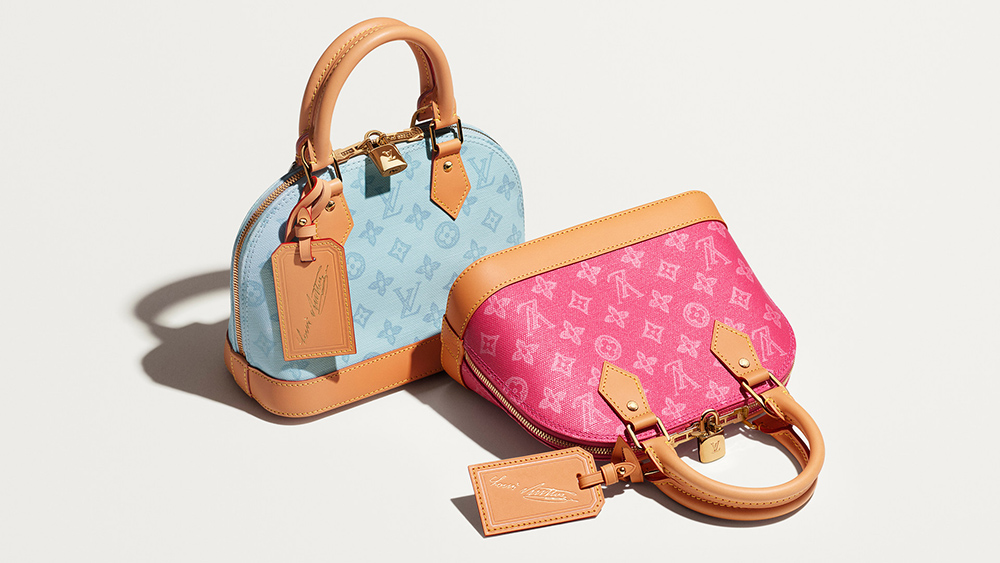
Within the Monogram ecosystem, Louis Vuitton’s iconic designs do not exist as seasonal products, but as objects woven into everyday life. Speedy and Keepall, introduced in 1930, emerged alongside shifting notions of personal mobility shaped by urbanisation and modern transport. The Noé, created in 1932 to carry five bottles of champagne, evolved into an emblem of creativity and joie de vivre. Alma, inspired by Parisian architecture, expresses classical elegance, while the Neverfull reflects the adaptability demanded by contemporary living.
Their shared value lies not in silhouette or scale, but in a philosophy of longevity. These are objects designed to accompany their owners across stages of life, often passed from one generation to the next, a notion increasingly rare in an era defined by fast consumption and fleeting fashion.
When Heritage Refuses to Stand Still

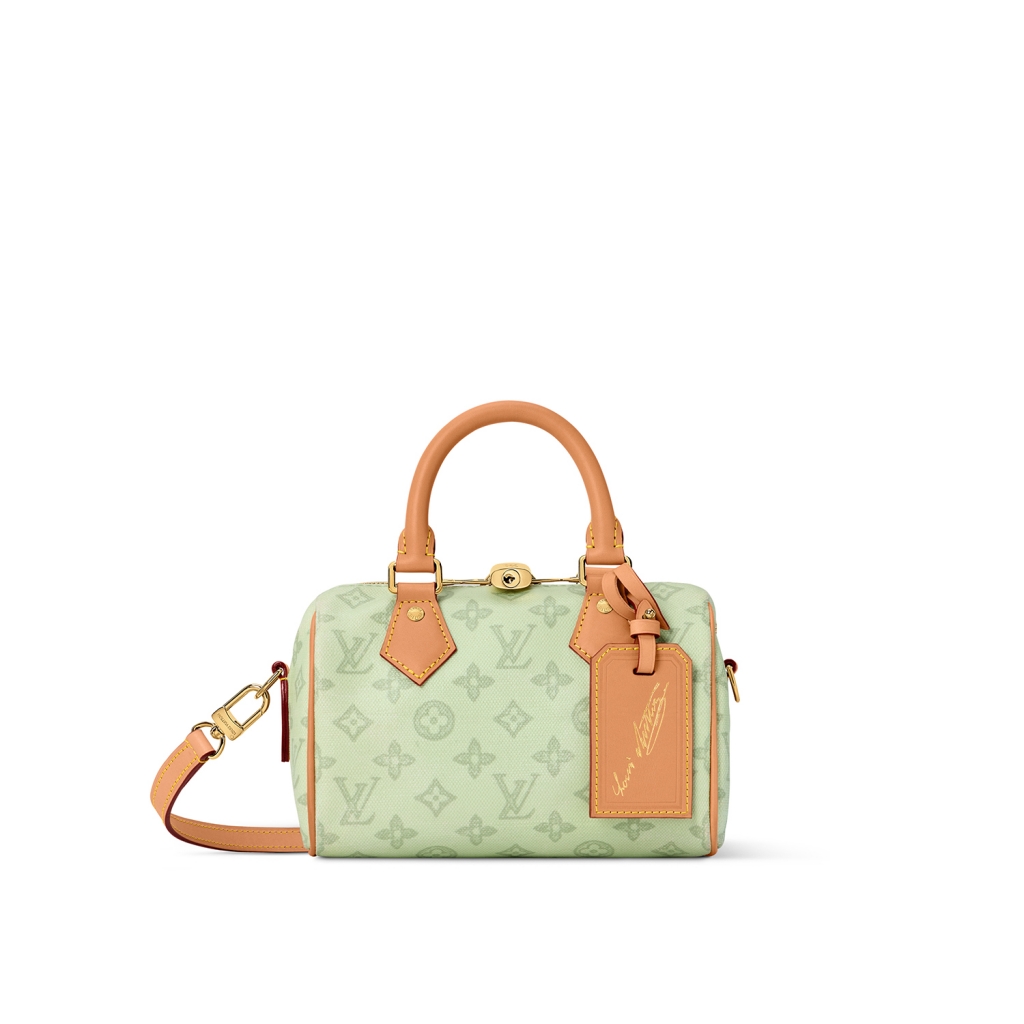
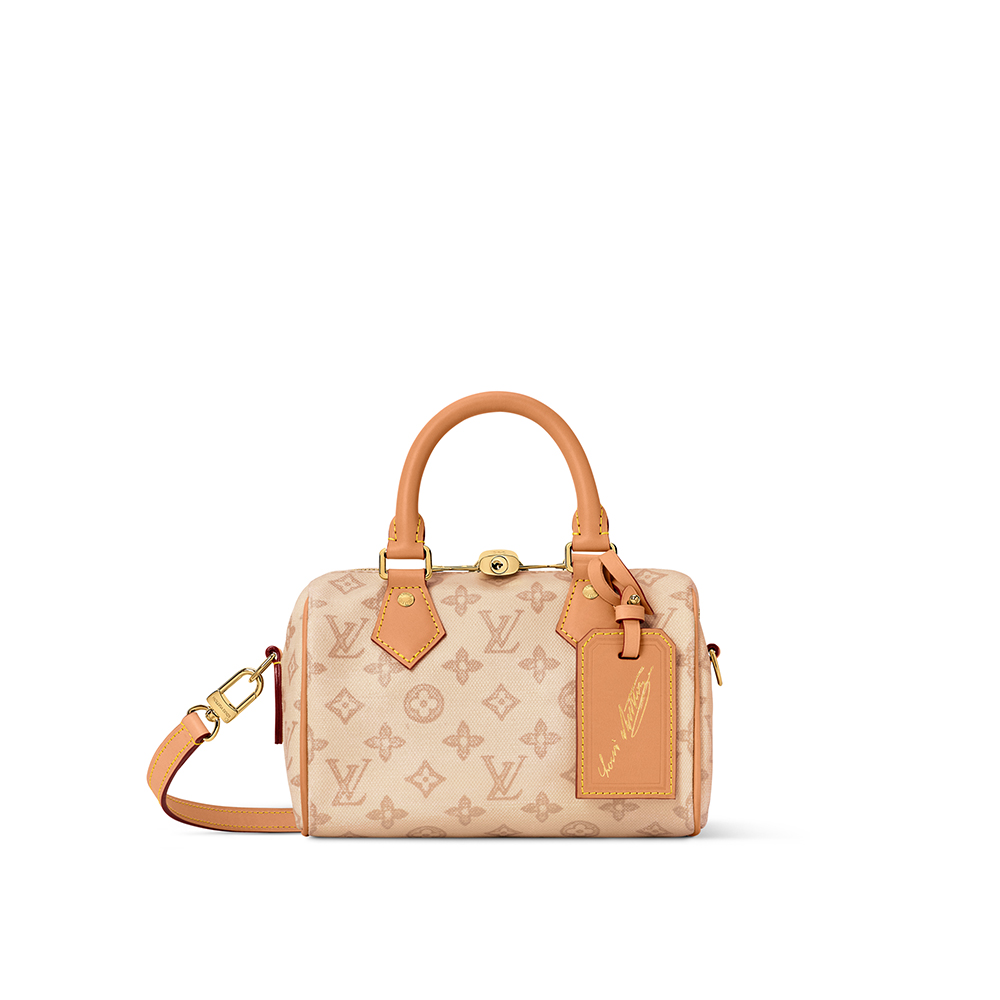
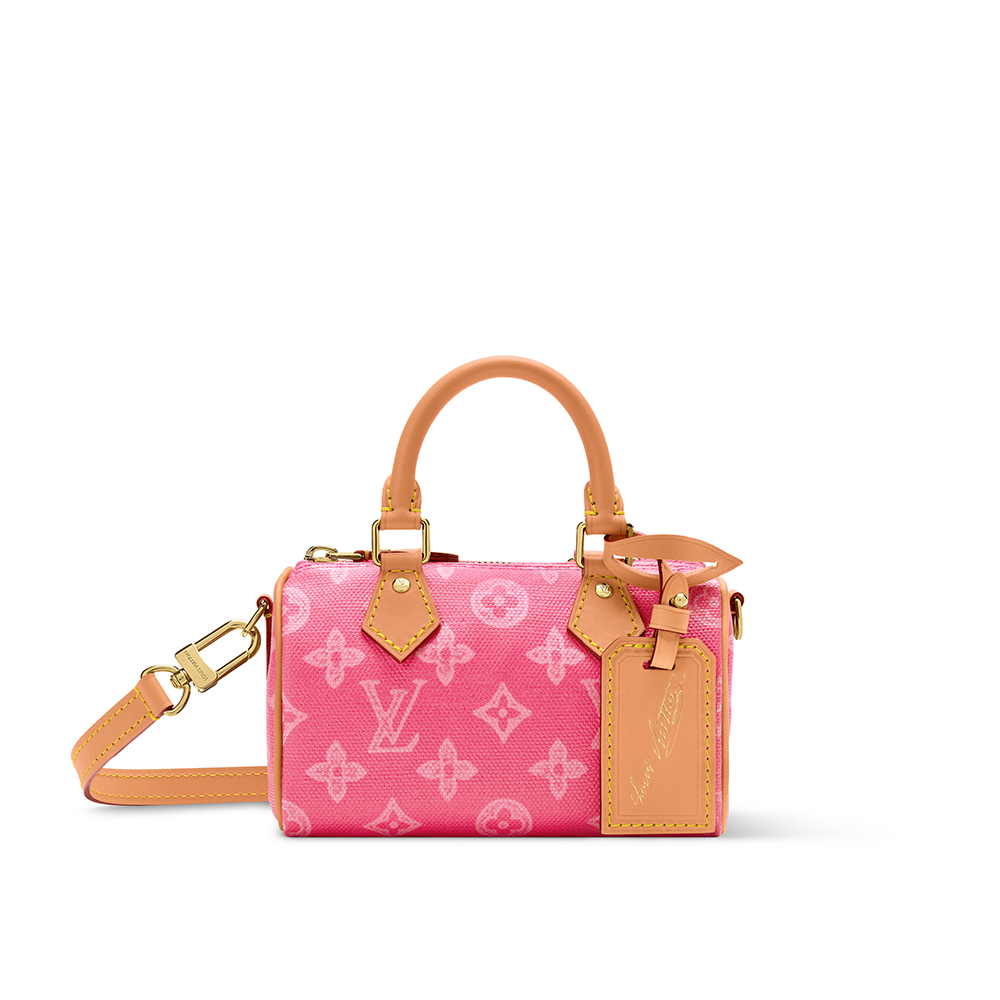
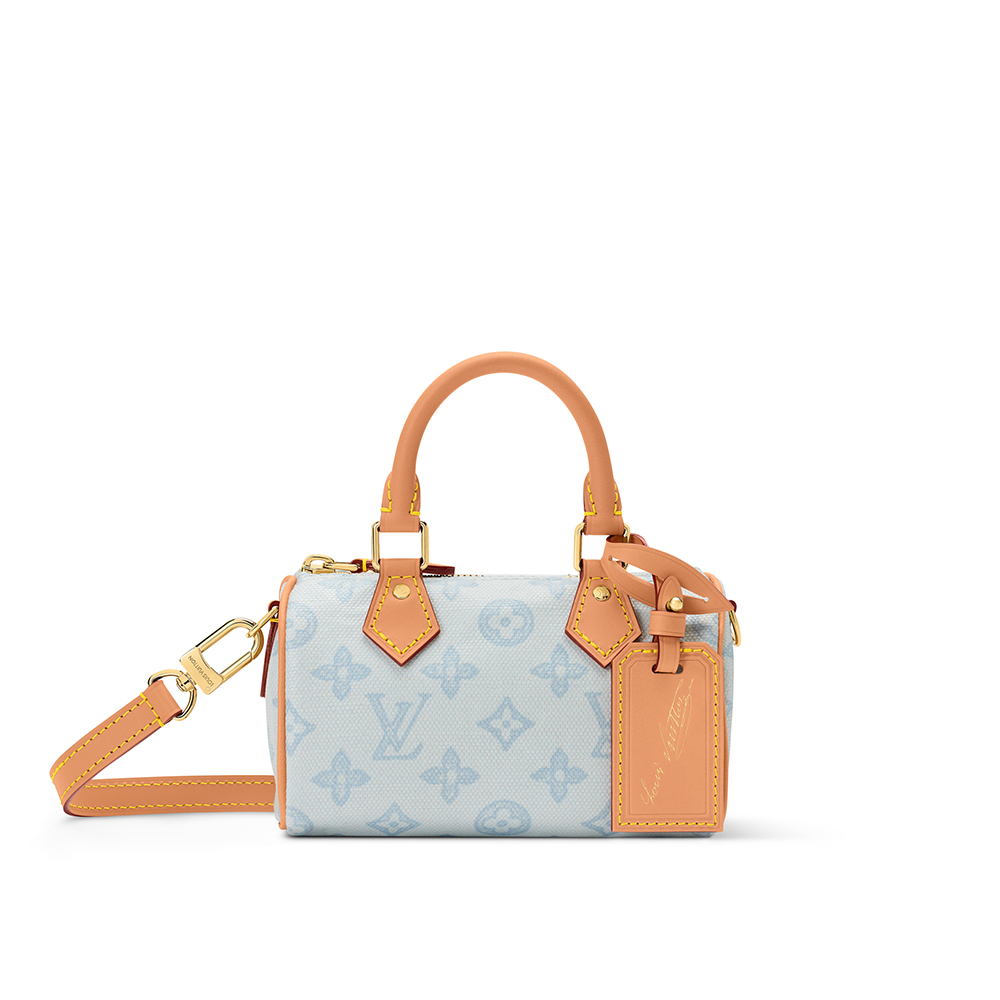
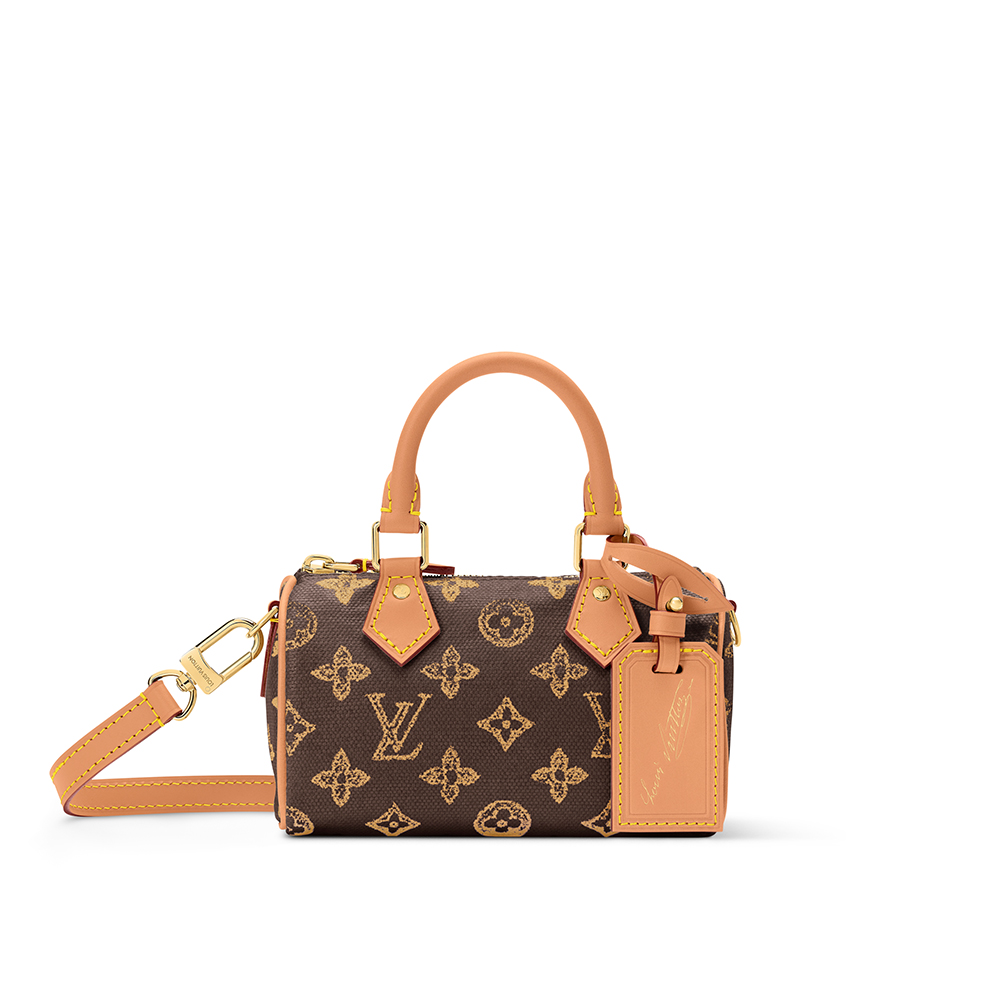
For its 130th anniversary, Louis Vuitton has resisted the temptation to freeze the Monogram in nostalgia. Instead, the House has embraced new interpretations. Monogram Origine revisits the 1896 pattern through a newly developed jacquard canvas, blending linen and cotton in soft pastel tones inspired by the House’s earliest client registers. At the opposite end of the spectrum, the VVN Collection pays tribute to Louis Vuitton’s leather-goods legacy, focusing on natural cowhide that allows time itself to shape a unique patina on each piece. Meanwhile, the Time Trunk Collection employs trompe-l’œil techniques to recreate the surfaces, metal fittings and textures of historic trunks, transforming memory into a form of visual illusion.
Distinct in approach, these interpretations share a common belief: heritage retains meaning only when it continues to be re-read through the language of the present.
The Monogram as a Living Code
After 130 years, the Monogram is no longer simply a motif. It functions as a system, a living code where history, craftsmanship and brand strategy intersect. In an industry obsessed with novelty, the Monogram stands as proof that longevity does not arise from constant reinvention of form, but from safeguarding a core identity while allowing it to evolve with its time.
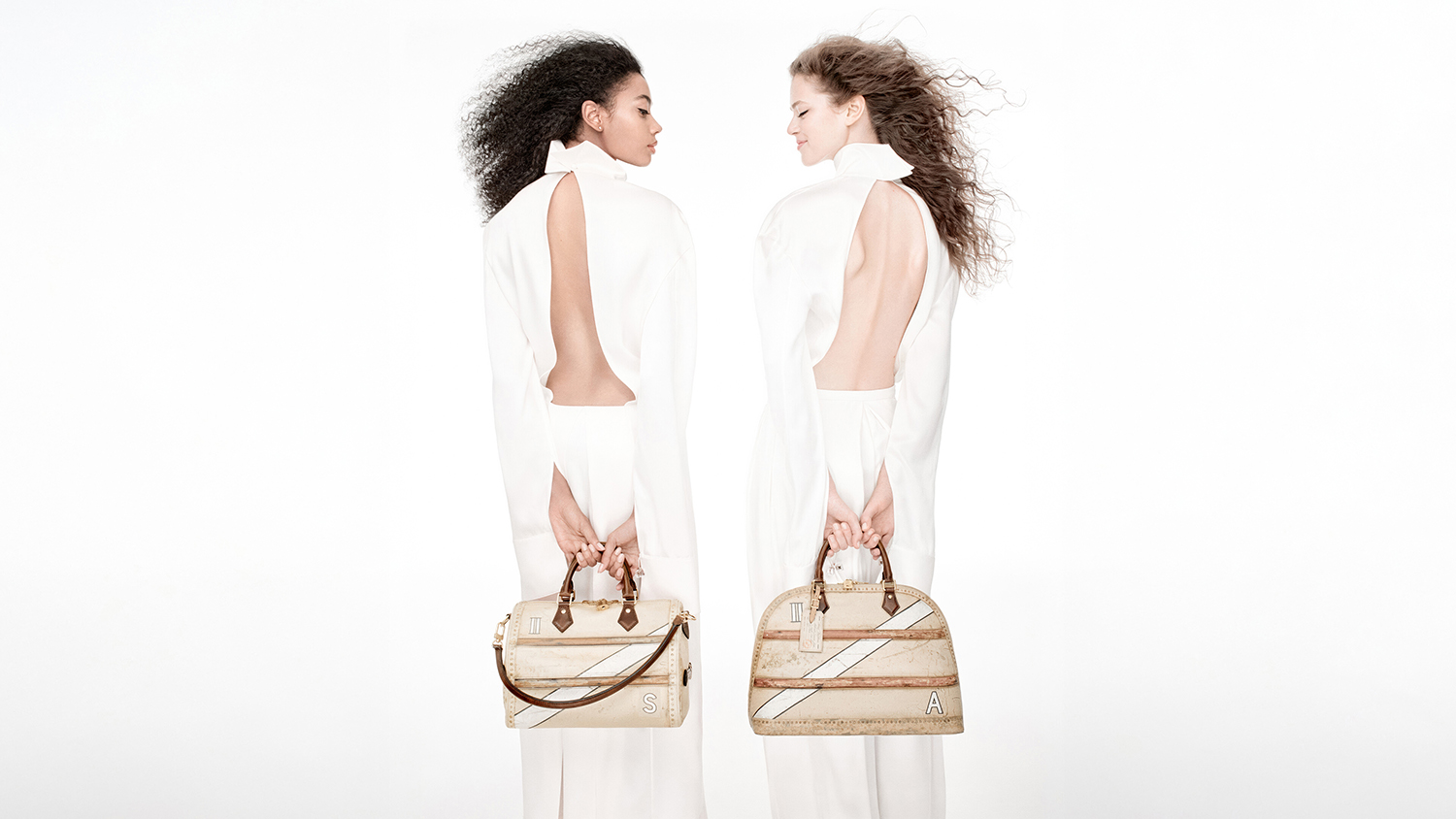
It is this quality that renders the Monogram one of the rare, enduring symbols of global luxury, continuously recognised, desired and passed on, like a living genetic code of Louis Vuitton.

Read more: