


 Hien Dang
If 2020 was a shock, 2022 a moment of panic, and 2023–2024 a period of turbulence, then 2025 is the year the world learns to live with instability. There are no longer startling words. No lingering sense of “unprecedented times”. Everything continues in a peculiar condition: people know they are standing on unstable ground, yet they keep moving forward as if this were normal.
Text: MINH NGUYỄN | Ảnh: REUTERS | Graphic design: KHANG PHAM
Original Vietnamese version available here: Đọc bài viết tiếng Việt
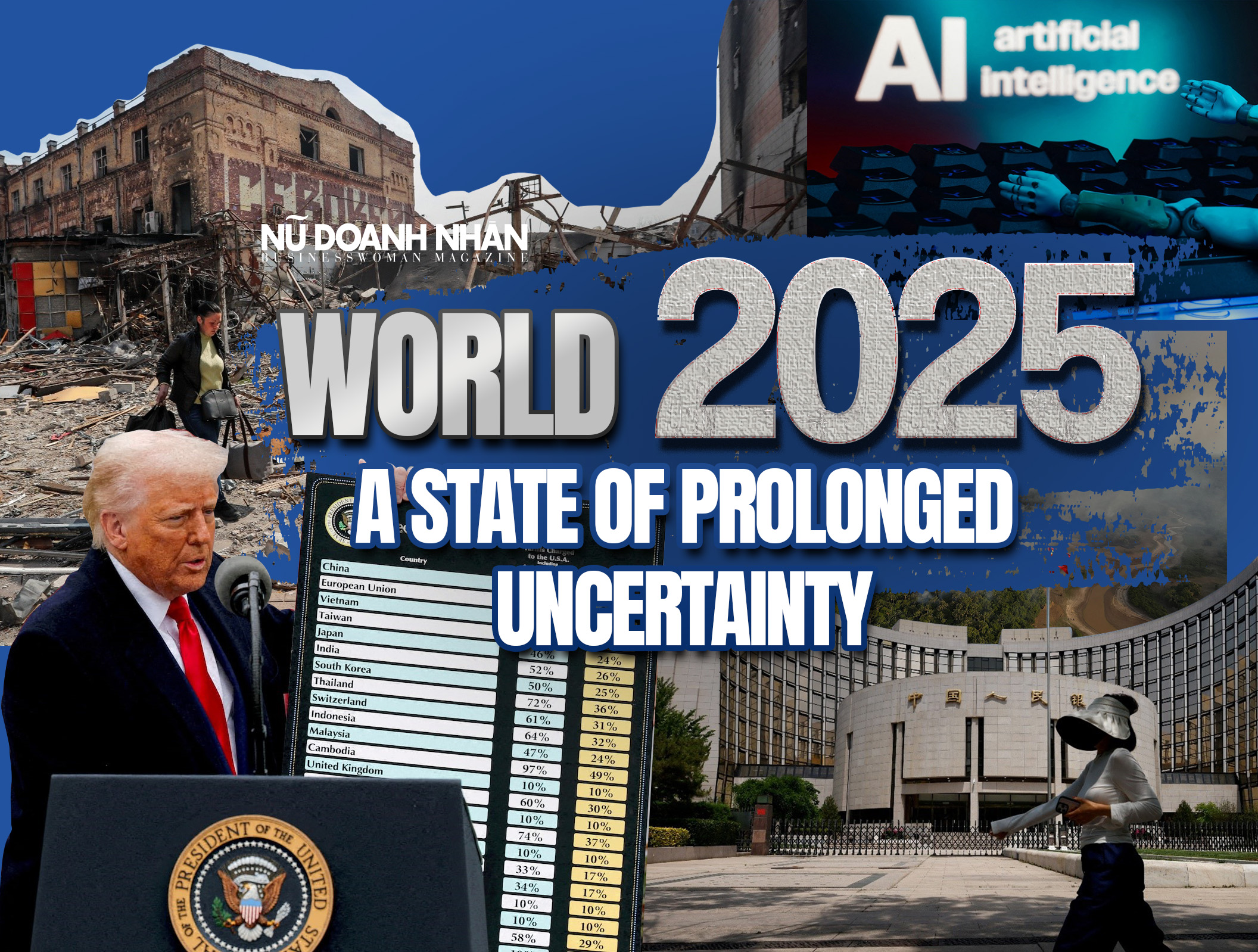
What defines 2025 is not a single event, but the layering of multiple disruptions across different domains: politics, economics, technology, climate, culture, and social life. The most-read stories on Reuters, AP News, the BBC, the Financial Times, and The Guardian point to a consistent picture: the world has not exploded, but it is far from stable.
Politics: The Return of Personal Power in an Era of Democratic Fatigue
Donald Trump’s reappearance in the White House is no longer perceived as a “shock”, but as a symptom of global democratic fatigue. The most-read political pieces of 2025 do not simply ask what Trump will do, but probe a deeper question: why are modern societies increasingly willing to accept personalised, linear — even divisive — models of power?

The rise of strongman-style leadership is not confined to the United States. It reflects a broader mindset: public patience with slow processes and prolonged compromise is wearing thin. Faced with overlapping crises, many societies appear willing to trade the complexity of democracy for a clearer sense of control, even at the cost of deepening polarisation.
War and Conflict: When Violence No Longer Shocks
Russia–Ukraine enters its fourth year in a state of “no victory, no defeat”. Gaza remains an open wound in the Middle East. Yet the most revealing aspect lies not in the fighting itself, but in the world’s response.
The year 2025 exposes a sobering reality: humans adapt to war faster than they can end it. Strategic analyses, energy costs, and military aid attract more readership than casualty reports. Public attention has not vanished; it has merely shifted, from emotion to calculation, from outrage to exhaustion.
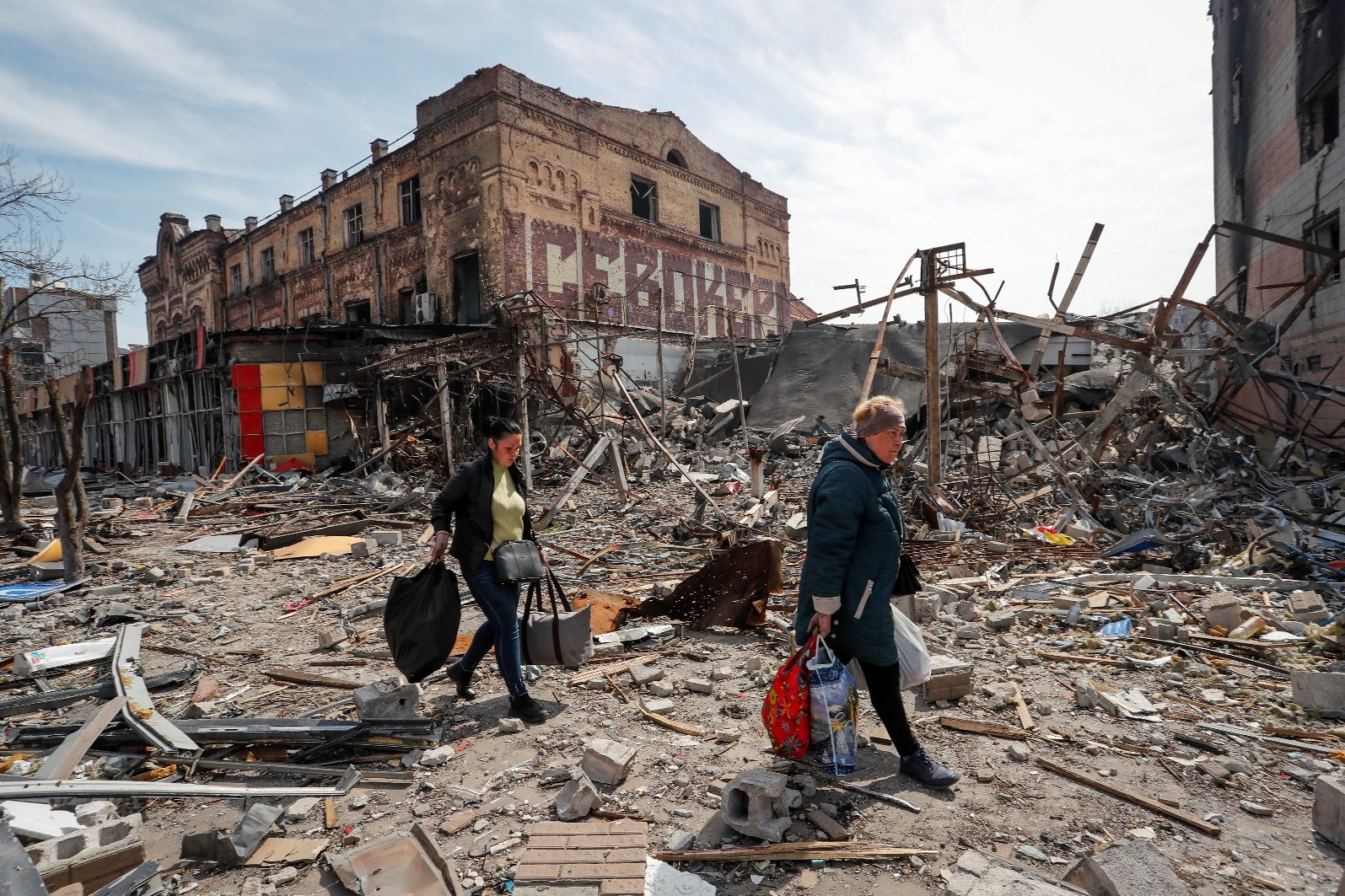
War becomes a prolonged condition rather than a discrete event. And once violence is “normalised”, the central moral question is no longer who is right or wrong, but how long the world can endure it.
Economy: When Growth Is No Longer a Guaranteed Promise
The year 2025 marks the most extensive coordinated monetary easing by major central banks in over a decade. Yet unlike previous cycles, markets do not celebrate. The most-read economic analyses on Reuters and the Financial Times share a common tone: caution, defence, and geopolitical risk awareness.
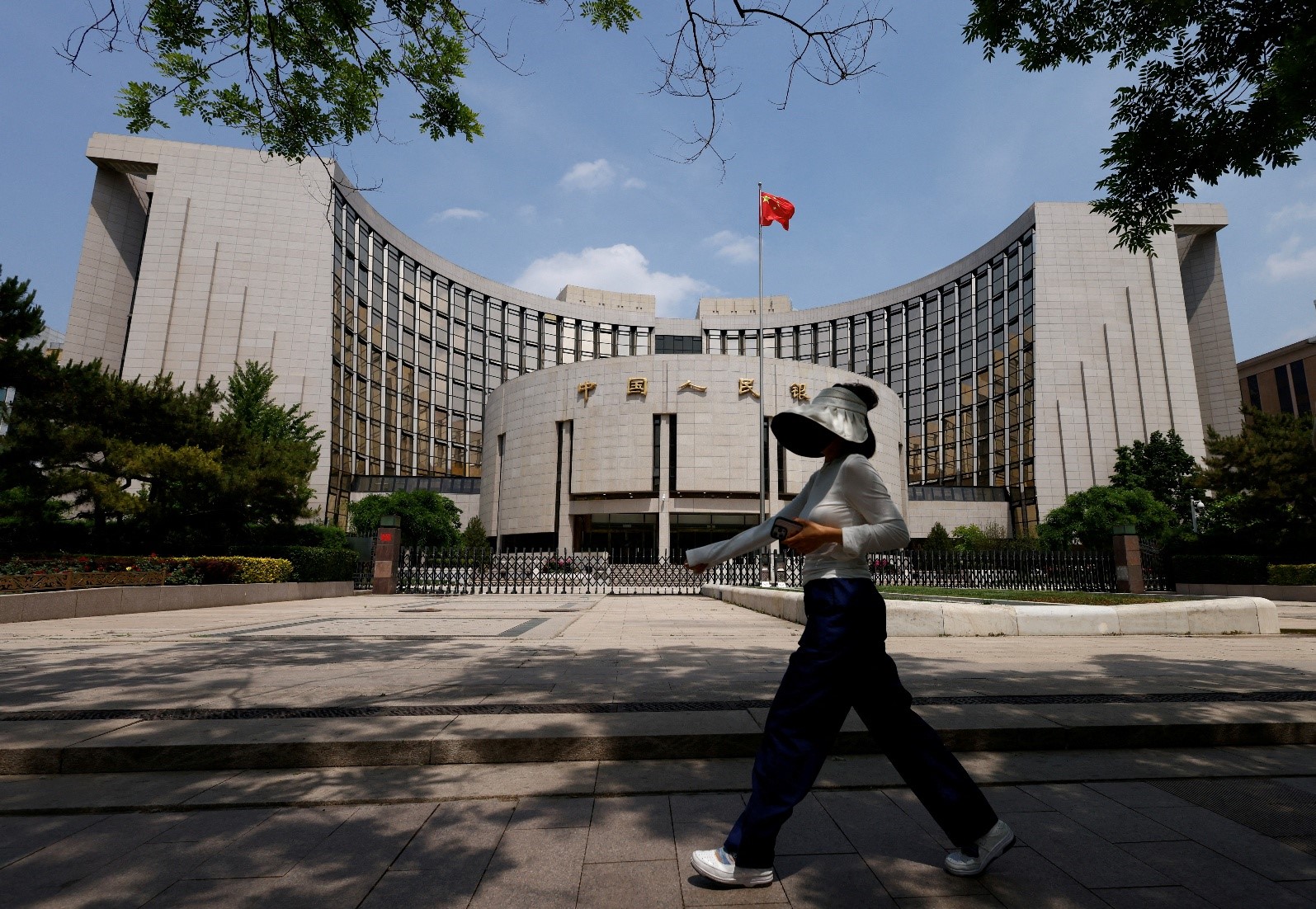
Global businesses are no longer asking how to grow fast, but how not to collapse. Consumers tighten spending not because they are poorer, but because long-term confidence in the future has eroded. In an uncertain world, capital no longer flows to where returns are highest, but to where risk appears lowest. The economy of 2025 is not a growth equation; it is a test of endurance and adaptation.
Technology & AI: From Euphoria to Controlled Skepticism
If 2023–2024 marked the explosive rise of artificial intelligence with the promise that “AI will change everything”, 2025 is the year society begins to question that promise. AI remains one of the most-read topics in technology and business journalism, but the tone has shifted.

The question is no longer whether AI can perform tasks, but who controls AI, who is accountable when it fails, and who is pushed out of the system. Articles on layoffs, workforce restructuring, and algorithmic ethics draw substantial readership, reflecting a tangible concern: technology is no longer a neutral promise of progress, but a force that redistributes power.
The year 2025 marks the moment society sheds its technological innocence and begins a serious reckoning with consequences.
Climate & Environment: Disaster as a Familiar Rhythm
The Guardian describes 2025 as one of the most costly years for natural disasters in modern history. What is frightening is not only the scale of damage, but the frequency of recurrence. Before storms subside, floods arrive. Before wildfires are contained, droughts set in.
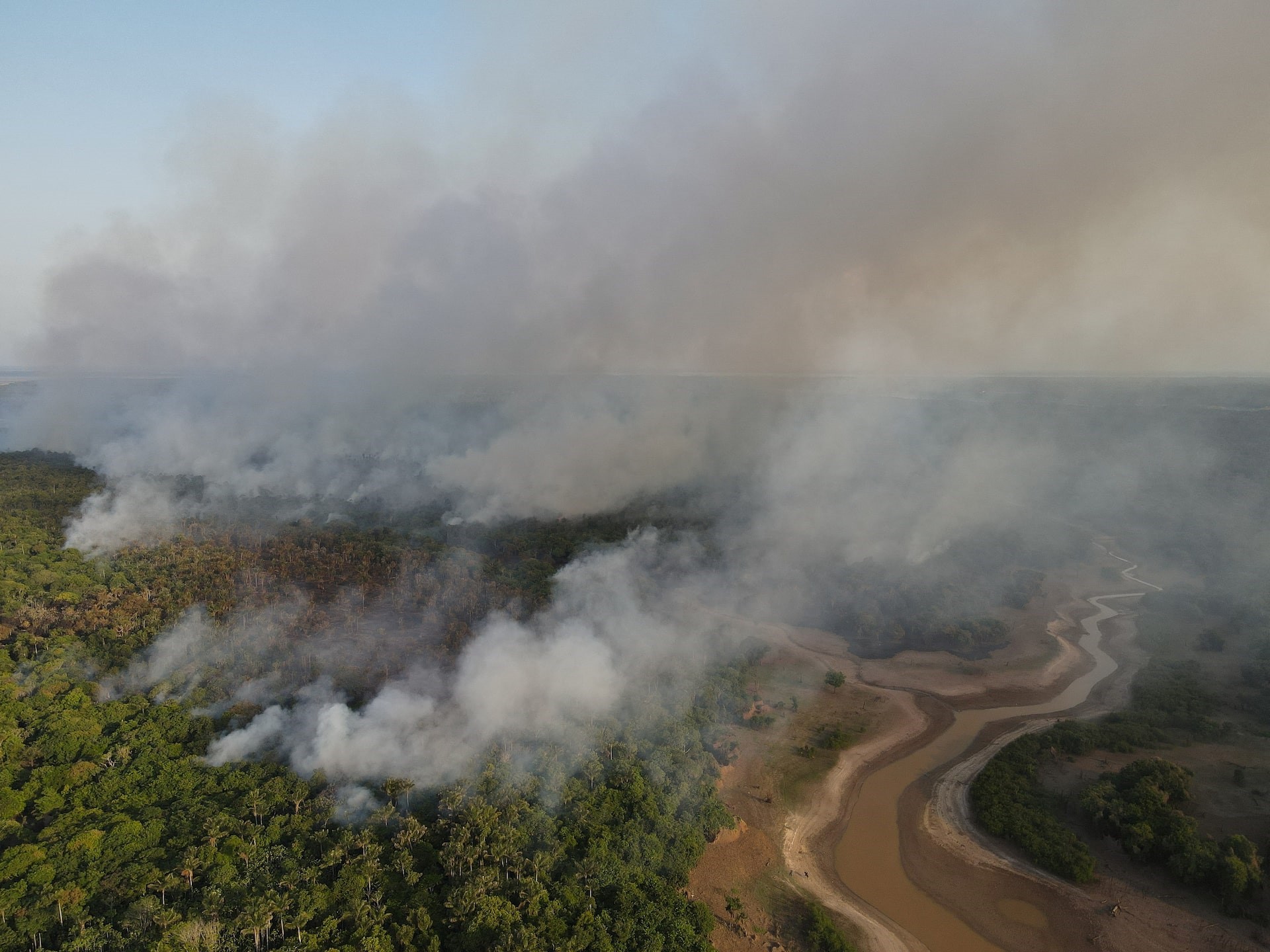
Climate is no longer framed as a scientific issue alone, but as a matter of insurance systems, migration, social instability, and national budgets. When disasters occur too frequently, they cease to shock and it is precisely this lack of shock that signals the greatest danger.
By 2025, the world no longer debates whether climate change exists; it quietly assesses who is more likely to survive under new conditions.
G7, NATO, APEC: Power Under Re-Management
Major gatherings such as the G7, NATO Summit, and APEC 2025 produce few dramatic moments, yet command sustained attention from policymakers, businesses, and global media. Reuters Live Blogs record millions of visits during these events.
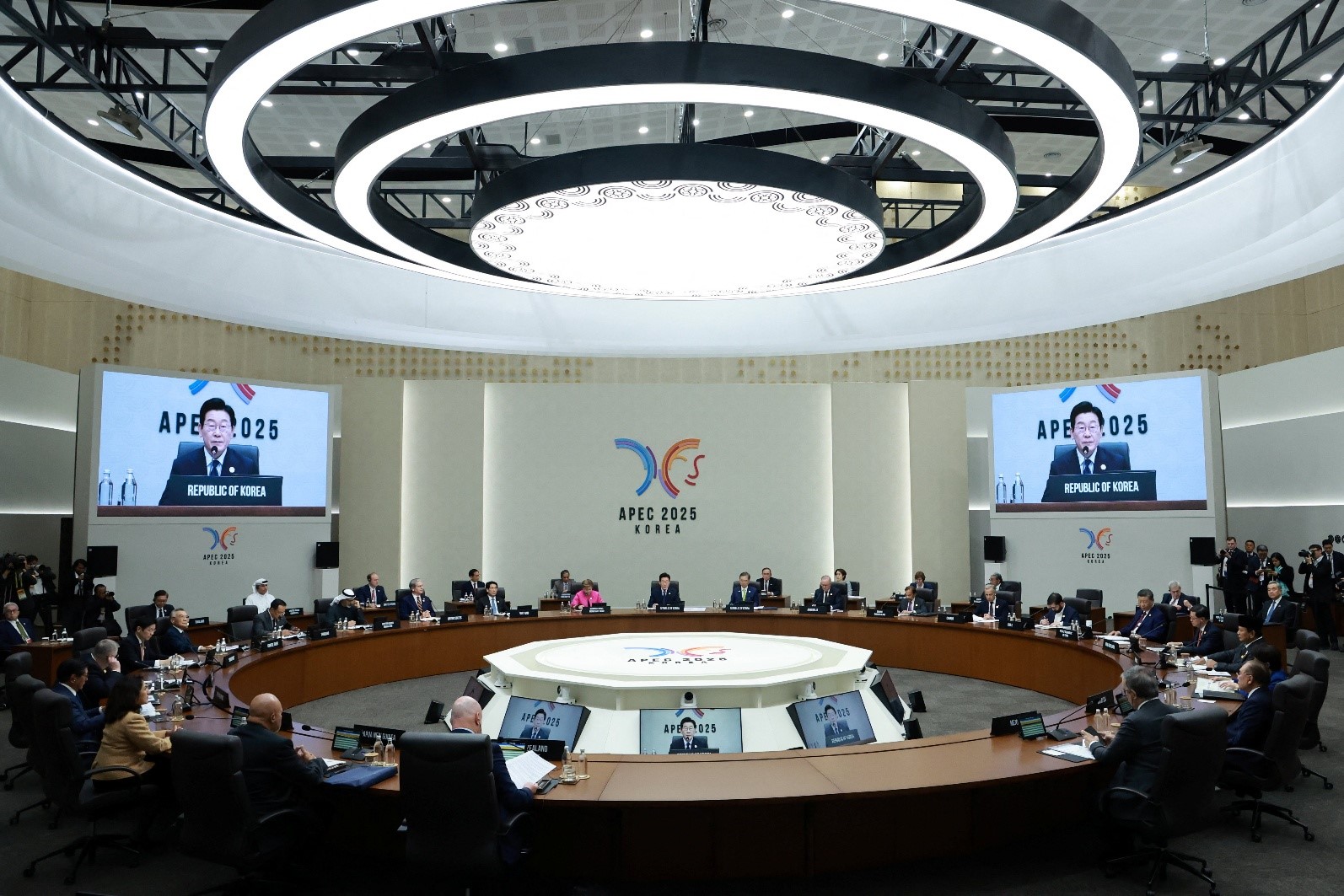
The common thread among these summits is restraint: fewer grand declarations, more technical agreements. The world appears weary of sweeping slogans, turning instead towards risk management rather than visionary projections.
Culture & Media: When Attention Becomes a Scarce Resource
One shared trait of the most-followed events of 2025 is the intense competition for public attention. In a world saturated with disruption, people no longer have the capacity to engage deeply with everything. News becomes shorter. Images become stronger. Emotions are compressed.
The most-read stories are not necessarily the most important, but those that resonate with collective fatigue, anxiety, and uncertainty. Media in 2025 is not merely reporting events; it is struggling to preserve meaning within an increasingly fragmented attention economy.
2025: A Year Remembered by Its Condition, Not Its Moments
When Reuters released “Pictures of the Year 2025”, there was no single iconic image. Instead, there was a sequence of persistence: unresolved wars, recurring disasters, people moving through provisional spaces. 2025 was not the year of a clear historical rupture. It was the year the world accepted that the stability it once knew no longer exists, and began learning how to function under those conditions. Perhaps the most important question left behind by 2025 is not what happened, but this: when instability becomes a normal state, how do we define a life of meaning?

Read more: