
 Hien Dang
On the evening of 16 August 2026, I arrived at Cơm nhà Sin, at 74 Tôn Thất Tùng, carrying an old photograph with me. It was the “homework” Table of Stories #03 had given all ten guests at our “table of many stories”: to find a childhood photograph of ourselves, talk about the child we once were and the dreams we had back then, and see which parts of that child we still carry with us today.
Original Vietnamese version available here: Đọc bài viết tiếng Việt
Text: LƯƠNG DŨNG NHÂN, M.Ed, PCC
Having spent quite some time looking at my photograph before that evening, I realised something that surprised even me: the little boy who once loved coming up with ways to bring joy to those around him was still very much here, in the educator I am today, still passionate about creating programmes that bring people joy and help them grow in meaningful ways. It turned out that, after all these decades, I had never really left that child behind. And when I looked at him through the eyes of a father and a teacher, I felt an extraordinarily pure affection for him welling up inside me. Perhaps that was precisely the intention of the programme: before asking about our mothers’ dreams, each of us first needed to meet the child within ourselves again, and then realise that our mothers, too, had once been children just like us, with dreams of their own.
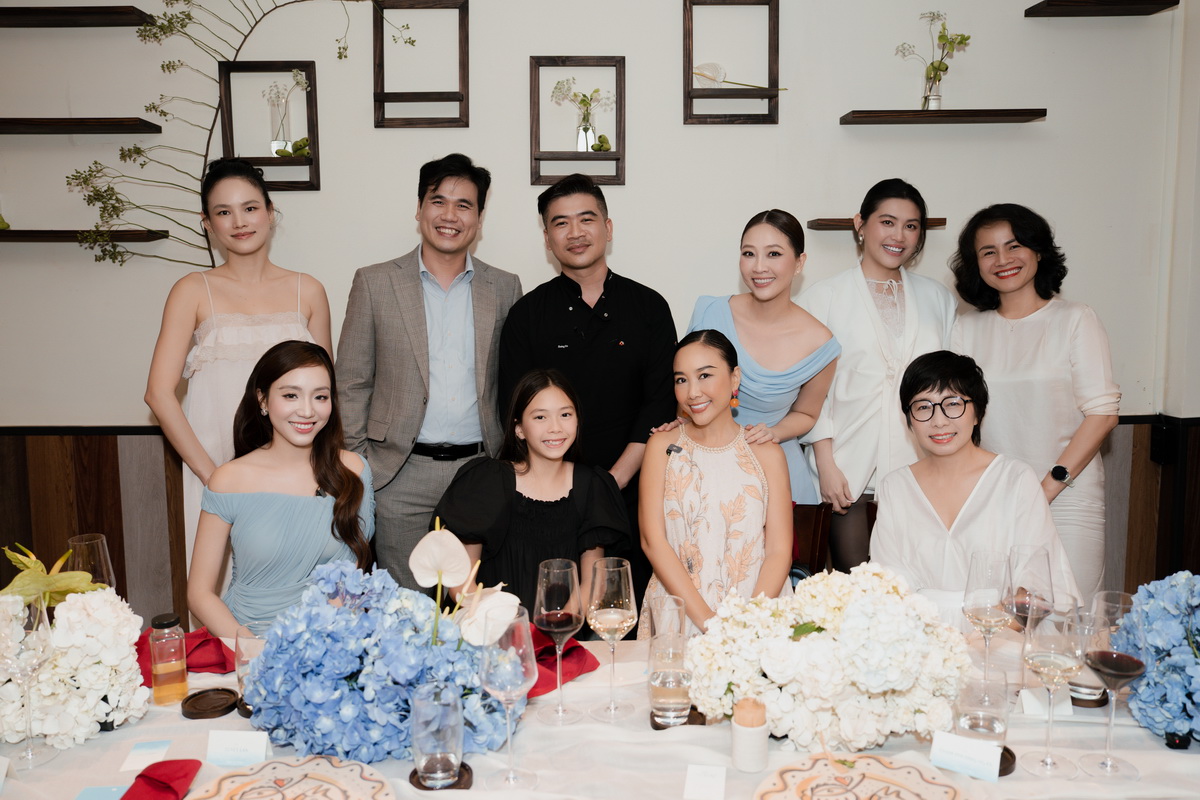
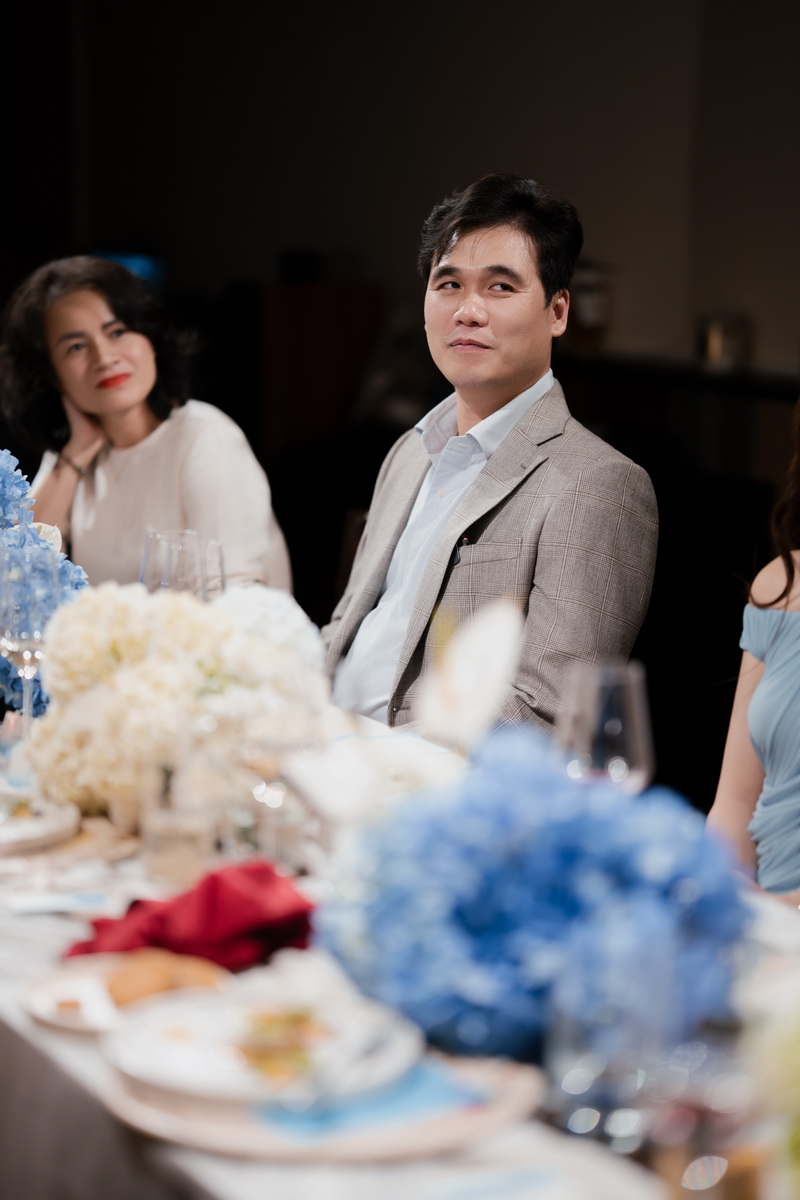
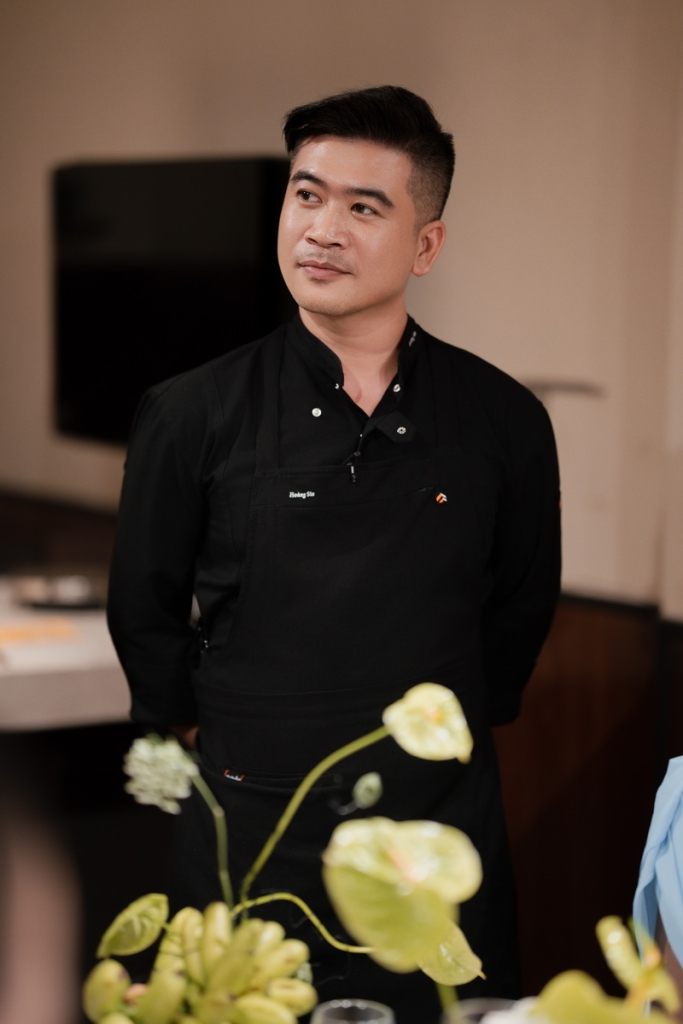
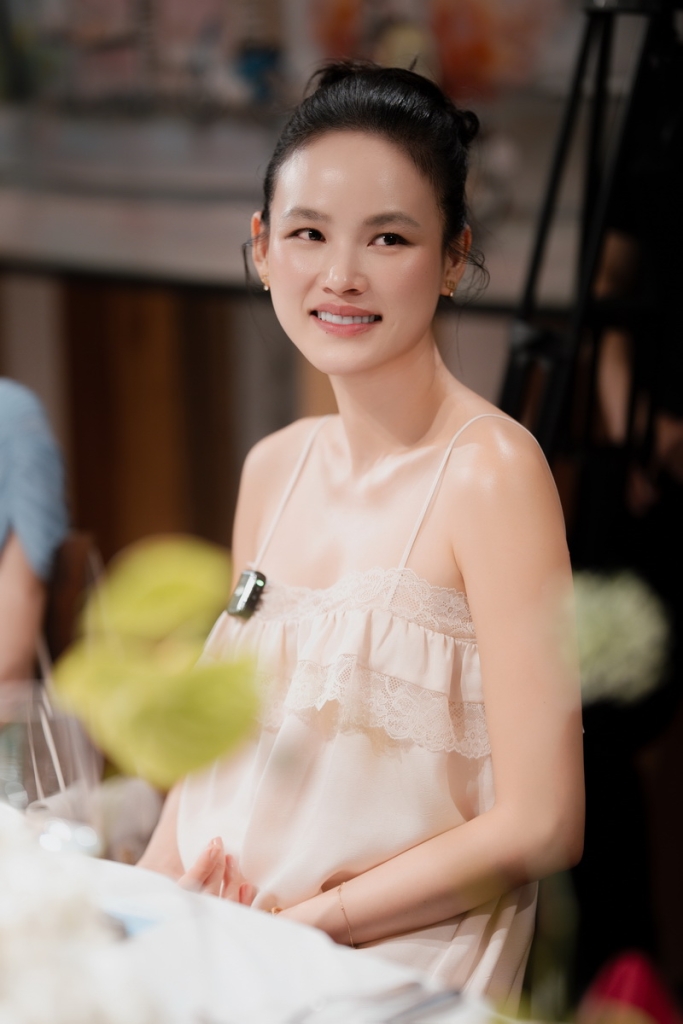
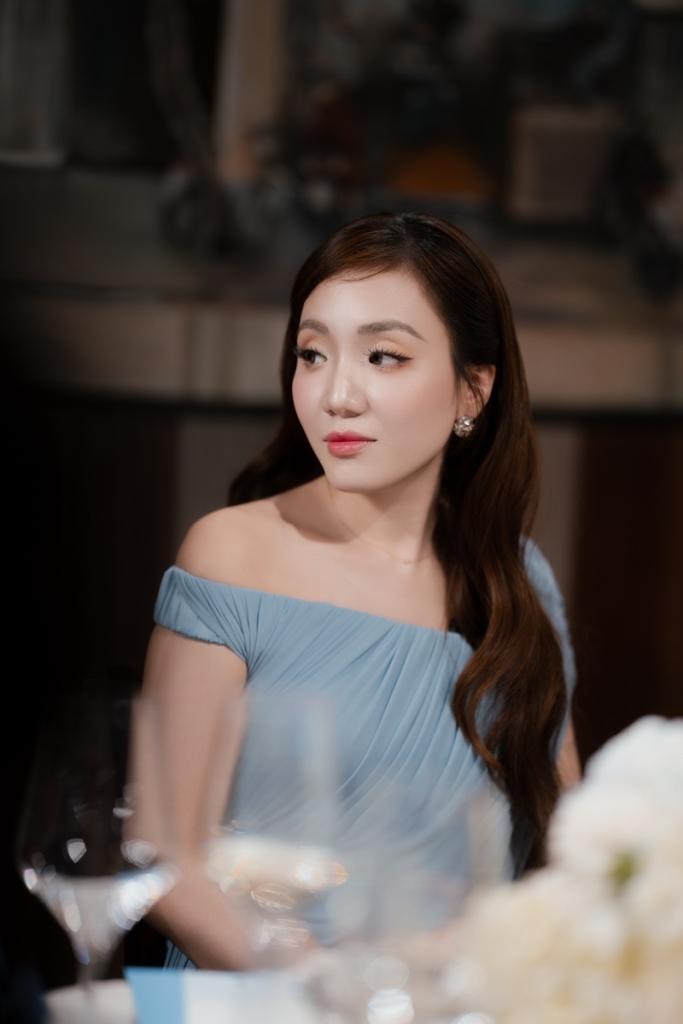
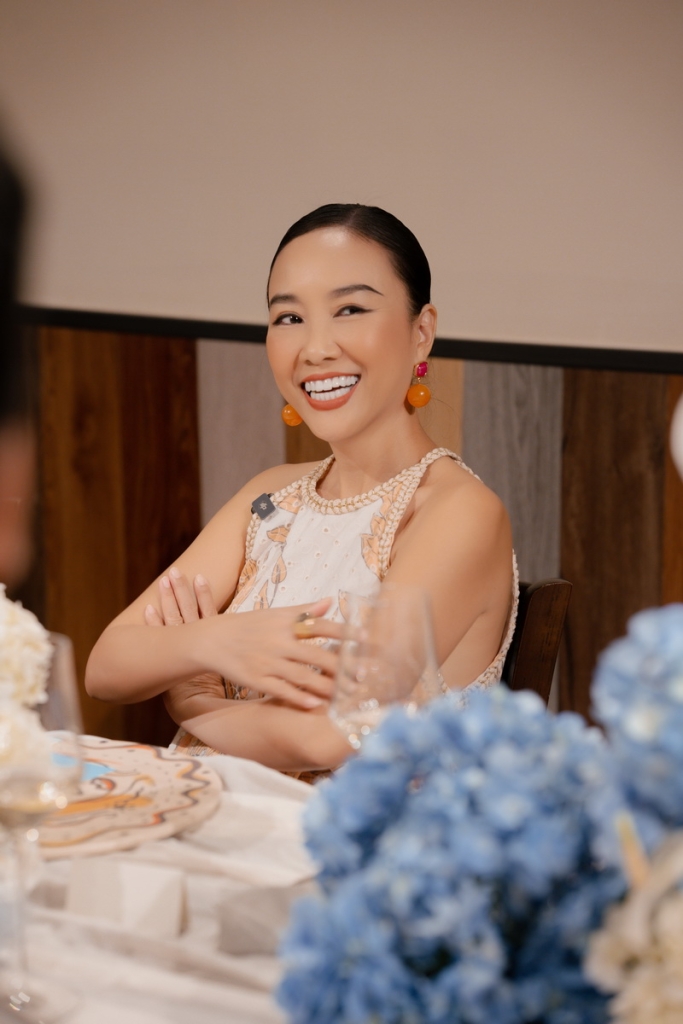
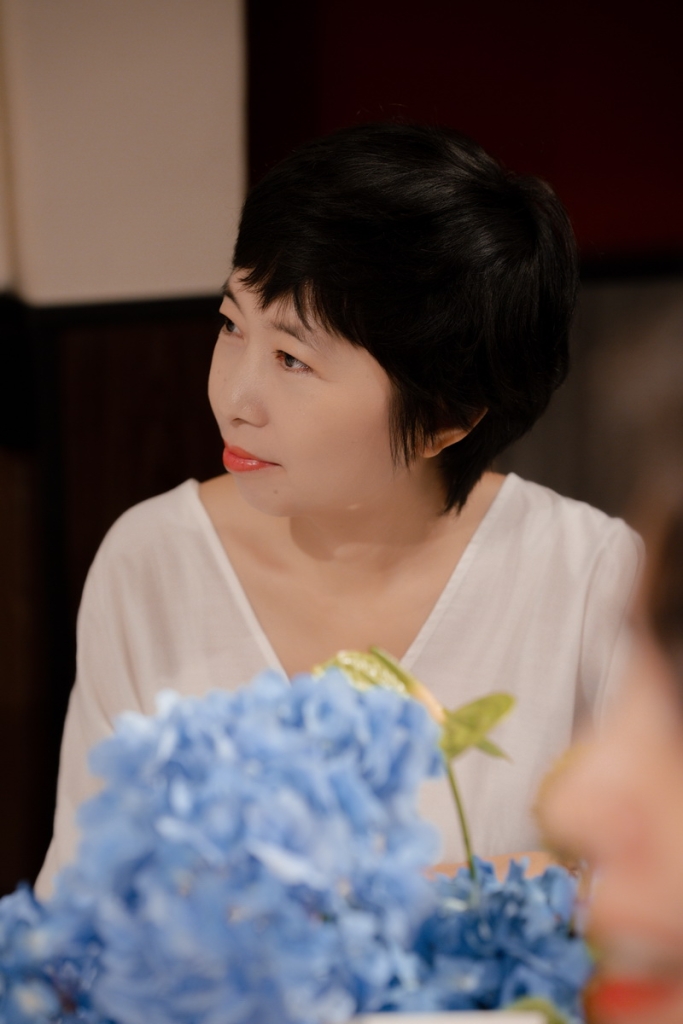
Following Ngã rẽ (Turning Point) and Hương & Hoa (Scent & Flowers), the third chapter of Table of Stories, initiated by MC Liêu Hà Trinh and TK Production with the support of NỮ DOANH NHÂN – BusinessWoman Magazine, chose a theme that moved both its organisers and guests as the Vu Lan season approached: Ước mơ của mẹ (A Mother’s Dreams). Around the long table that evening were mothers and children from many different walks of life: singer Đoan Trang and her daughter Sol; Đặng Tuyết Thương, M.Ed; supermodel Tuyết Lan; entrepreneurs Châu Tiểu Ngọc, Hằng Lưu and Võ Phương Ngân; chef Huỳnh Hoàng Sin; Liêu Hà Trinh; and myself, educator Lương Dũng Nhân. We spent three hours together, enjoying food and stories told slowly over the course of the evening.
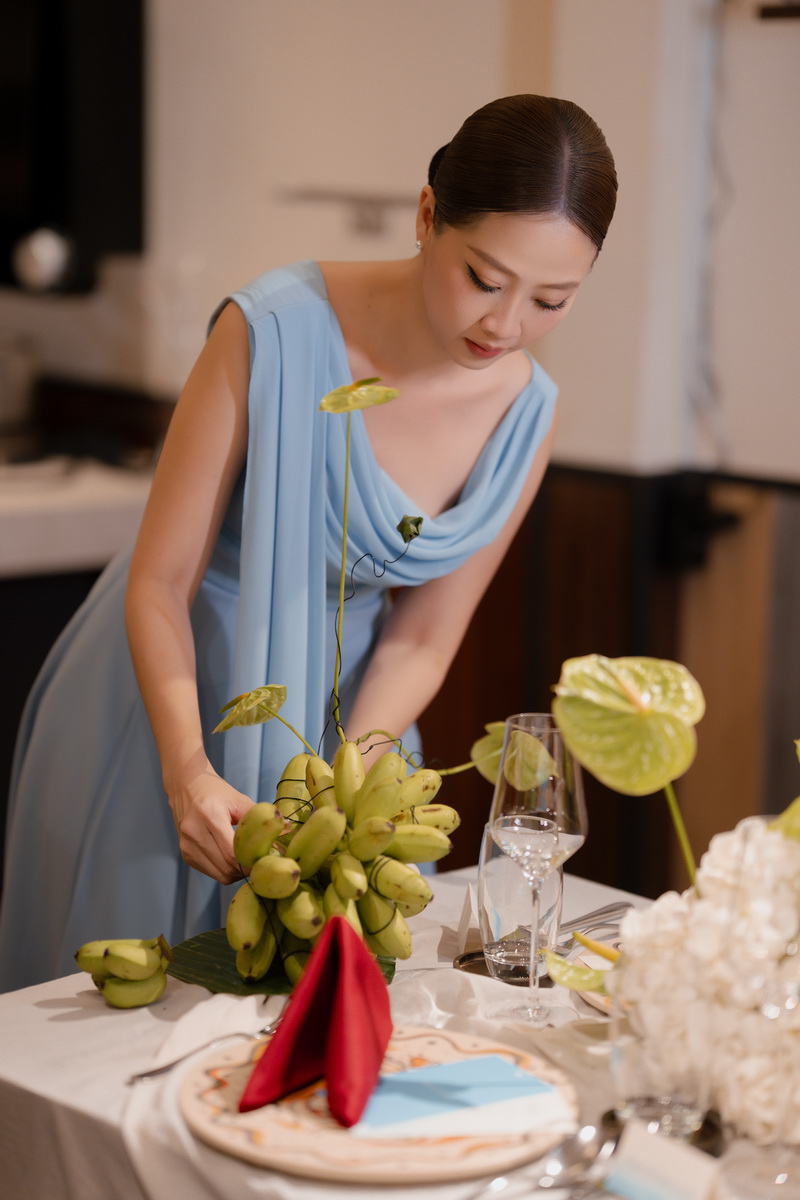
The setting was adorned by Nguyễn Bích Thuận of Ren Florist with soothing white and green flowers, colours of hope. One detail had the whole table laughing: Liêu Hà Trinh had playfully tucked a few small flowers into a bunch of green bananas. Rustic, cheerful and full of life, it somehow echoed the mothers whose stories we were sharing.
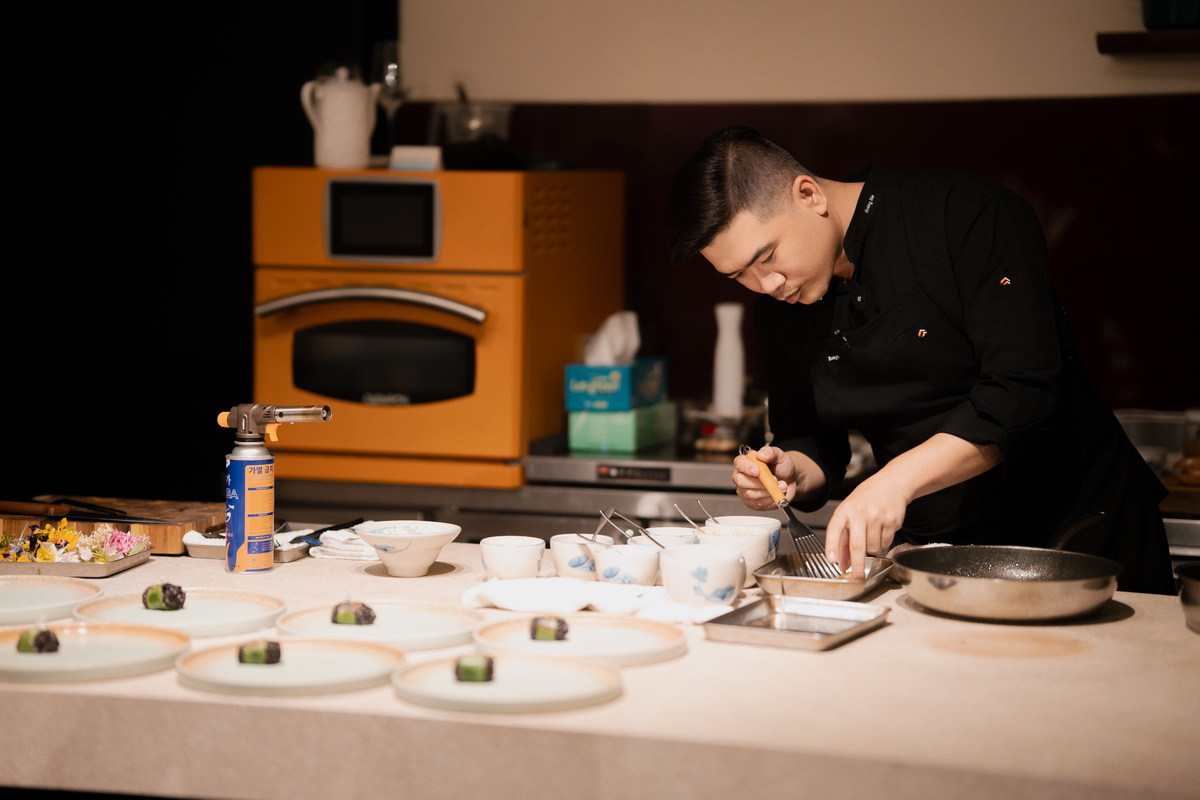
At the heart of the dinner were six dishes through which Huỳnh Hoàng Sin told the story of his “má” – his mother, a hard-working woman from the countryside of an earlier generation. Sin said there were things about his mother he simply did not know how to put beautifully into words. So instead, he cooked. The six dishes became six chapters of a story, interwoven with the very real, everyday stories of the modern mothers seated around the table.
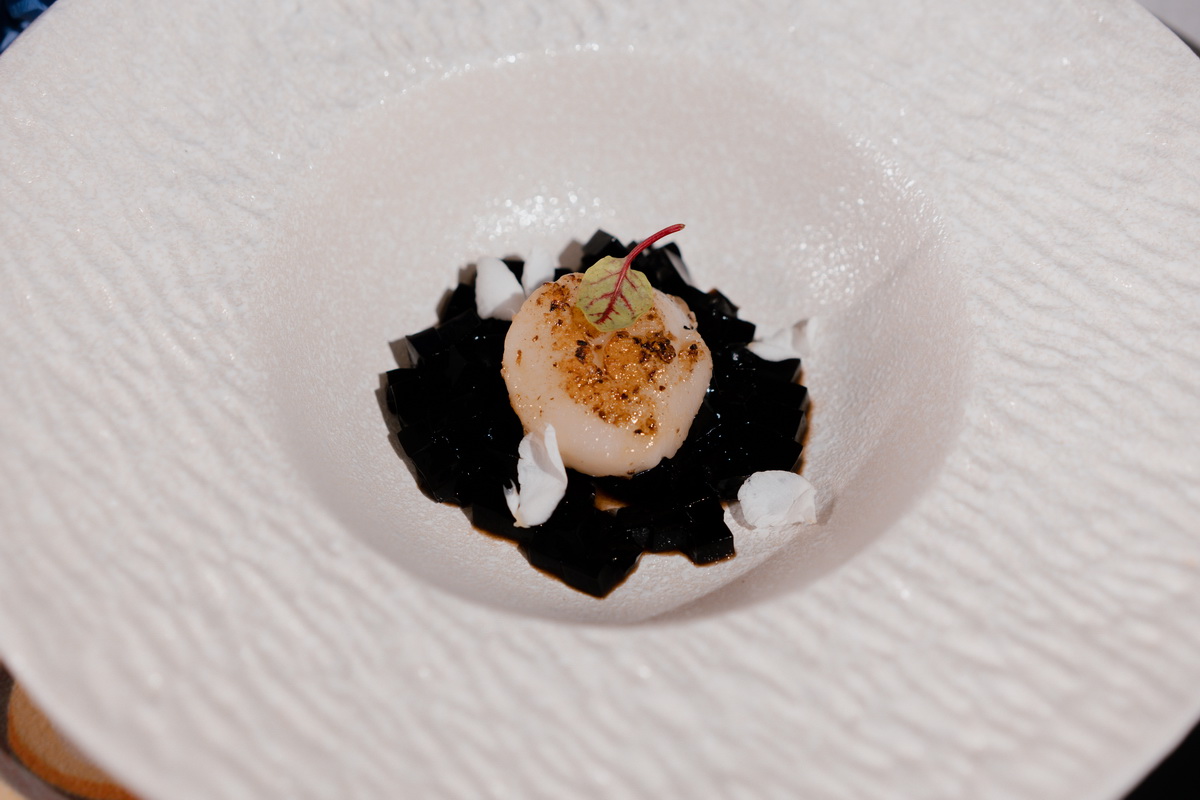
The evening began with Sương sớm (Morning Mist): pan-seared scallops steeped in young coconut water, served with grass jelly. Its light, refreshing flavours evoked those early mornings when a mother would quietly rise before everyone else, beginning her long day before her children had even opened their eyes.
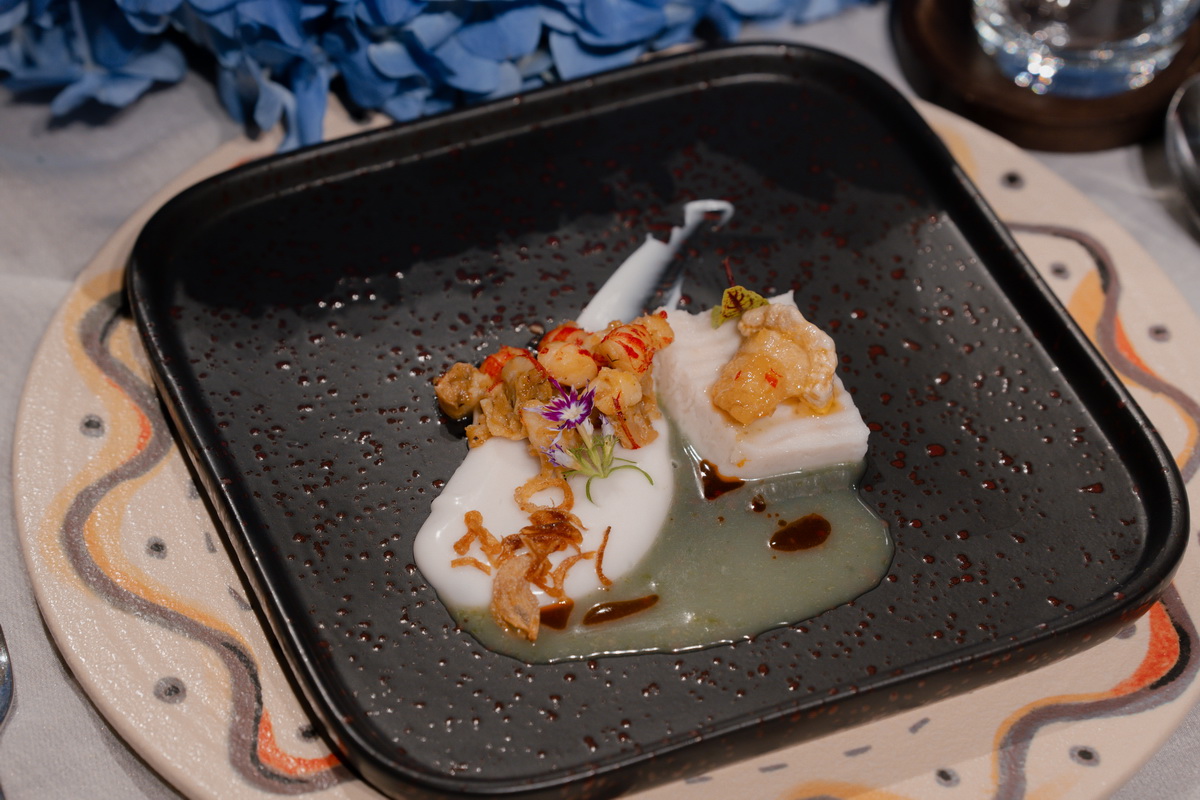
Then came the dish I experienced most intensely: Mồ hôi chát (Bitter Sweat) – bánh đúc with crayfish and green chilli salt sauce, both salty and intensely spicy. I do not normally eat spicy food, but this time I chose to experience the heat in full and let it linger, without immediately reaching for water or trying to make it go away. The heat surged through me, while the saltiness left a bitter aftertaste, like the salt of sweat.
I wanted my body to experience, however infinitesimally, the “difficult choices” that so many mothers have quietly taken upon themselves year after year. There are things the intellect cannot reach; they can only be felt through the body itself. Sin said that as a child, all he knew was that his mother had it hard. It was only when he grew older that he understood how inadequate the word “hard” was to describe everything a mother had endured.
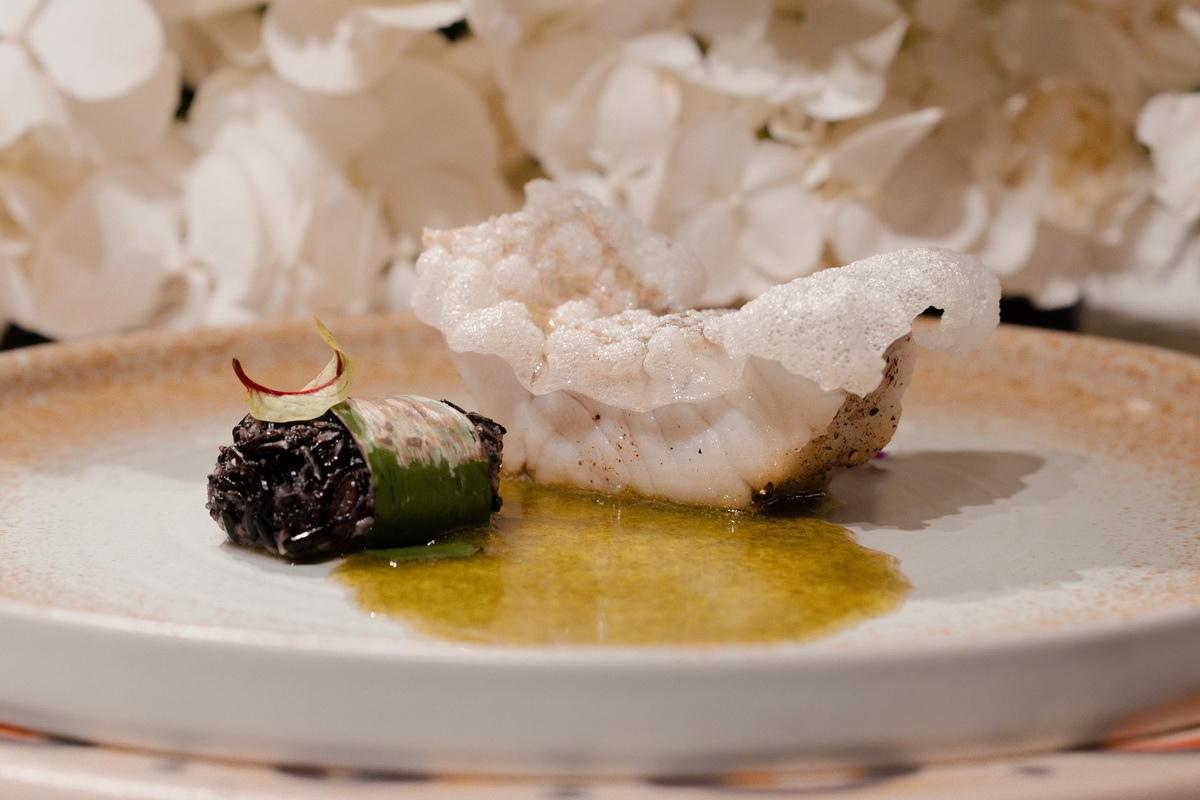
Bữa cơm no (A Filling Meal) was crispy-skinned pan-seared sea bass served with black sticky rice, recalling a time when putting enough food on the table for one’s children could never be taken for granted, when parents sometimes had to borrow rice by the tin. Poor was poor, hardship was hardship, but the children still had to be fed.
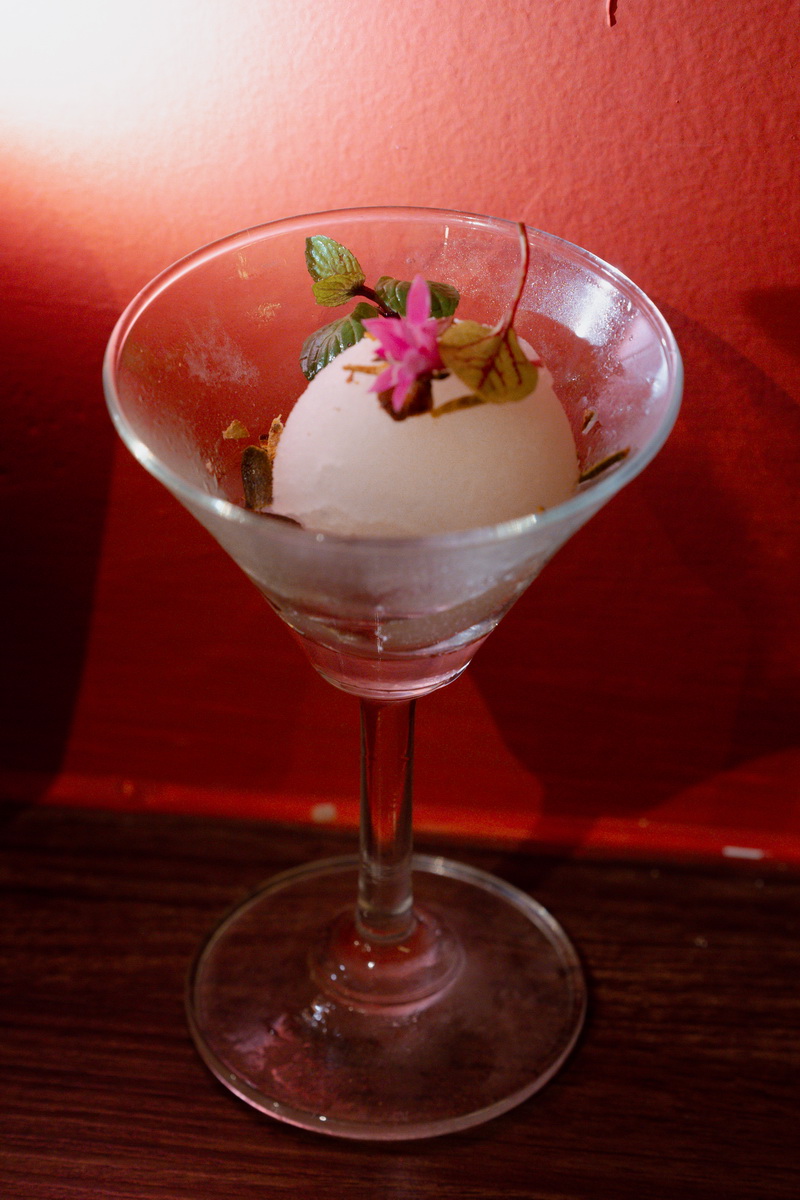
Tấm áo sờn (The Worn Shirt) was a salted-lemon sorbet made from an ingredient that had long sat quietly in a corner of his mother’s kitchen: a jar of salted lemons that darkened with age, kept not because it was worth much in monetary terms, but because she feared that when her child needed it, there might be none left.
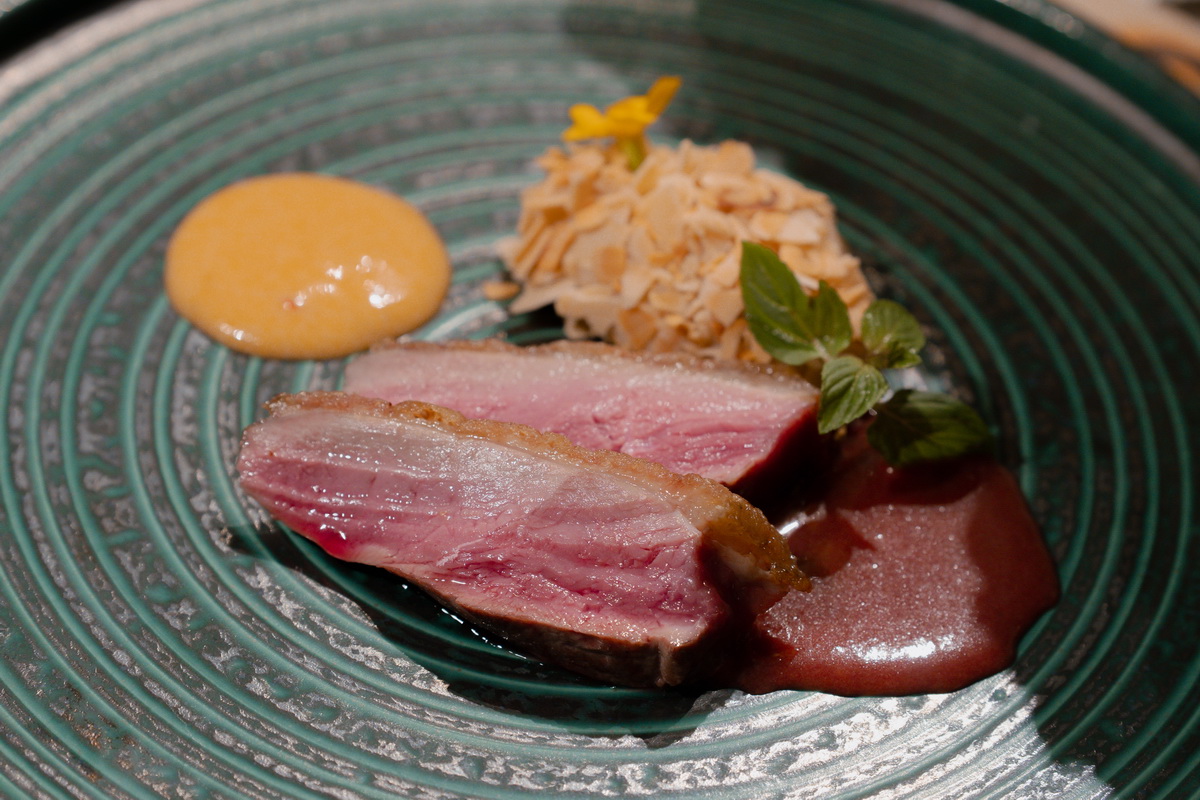
Then came the emotional high point, Ước mơ giấu kín (Hidden Dreams): pan-seared duck breast marinated in red fermented bean curd. The name alone made the entire table fall silent for a moment. Before she became “má”, she too had once been a young woman. She too had had her youth, places she wanted to go, things she wanted to do and, surely, dreams that belonged entirely to her. Yet after starting a family, those dreams were gradually placed beneath the grocery money, school fees, daily meals and the times her children fell ill. Put aside for so long that, perhaps, even she eventually forgot what she had once wanted for herself.
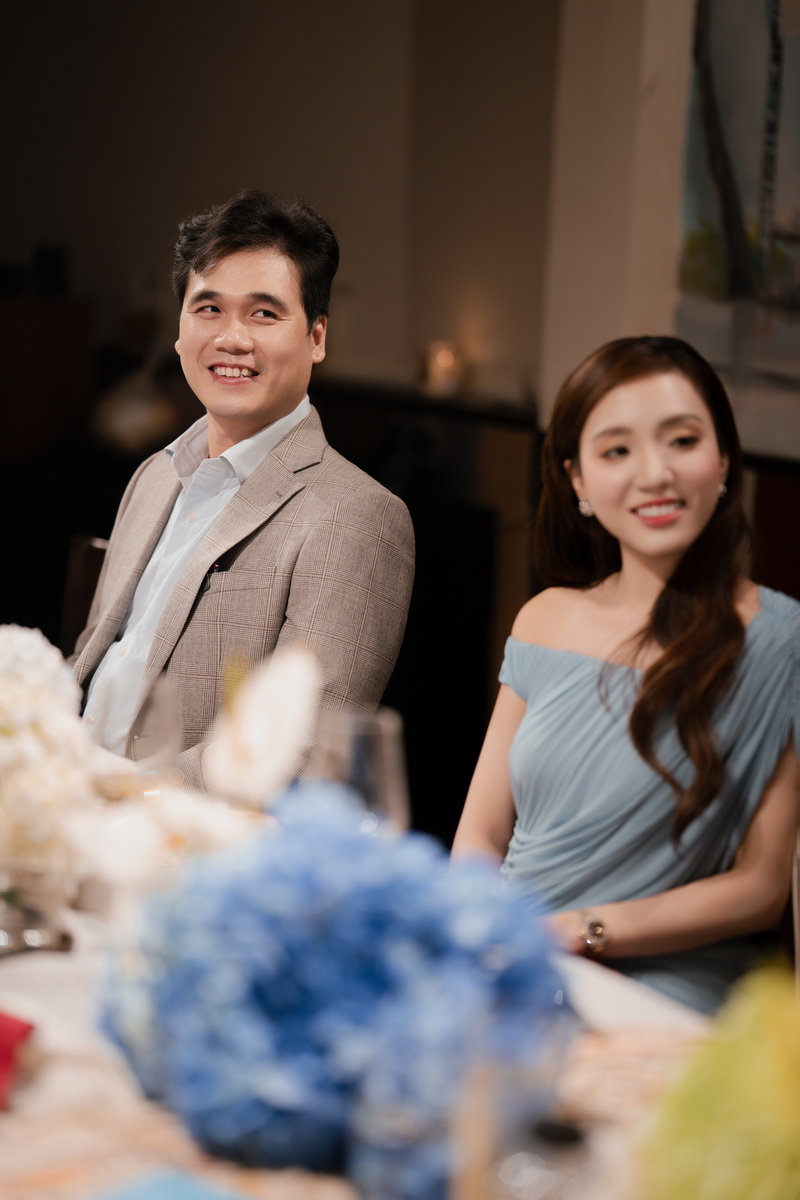
From the story of Sin’s mother, the stories of the other mothers around the table unfolded naturally. My eyes were opened to the many different ways in which mothers love their children, and to the dilemmas that arise within lives full of competing demands: between work and family, between the expectations of others and one’s inner voice, between what a mother wants for her child and what her child truly needs.
Entrepreneur Hằng Lưu shared that what she wanted most was remarkably simple: to gather with her family around the dining table, just as she remembered from childhood, around her grandmother’s wood-fired kitchen. There were also two generations sitting side by side at the dinner table: singer Đoan Trang and her daughter Sol. A mother spoke of her dreams in front of her daughter, and the image itself seemed a beautiful answer to the evening’s theme.
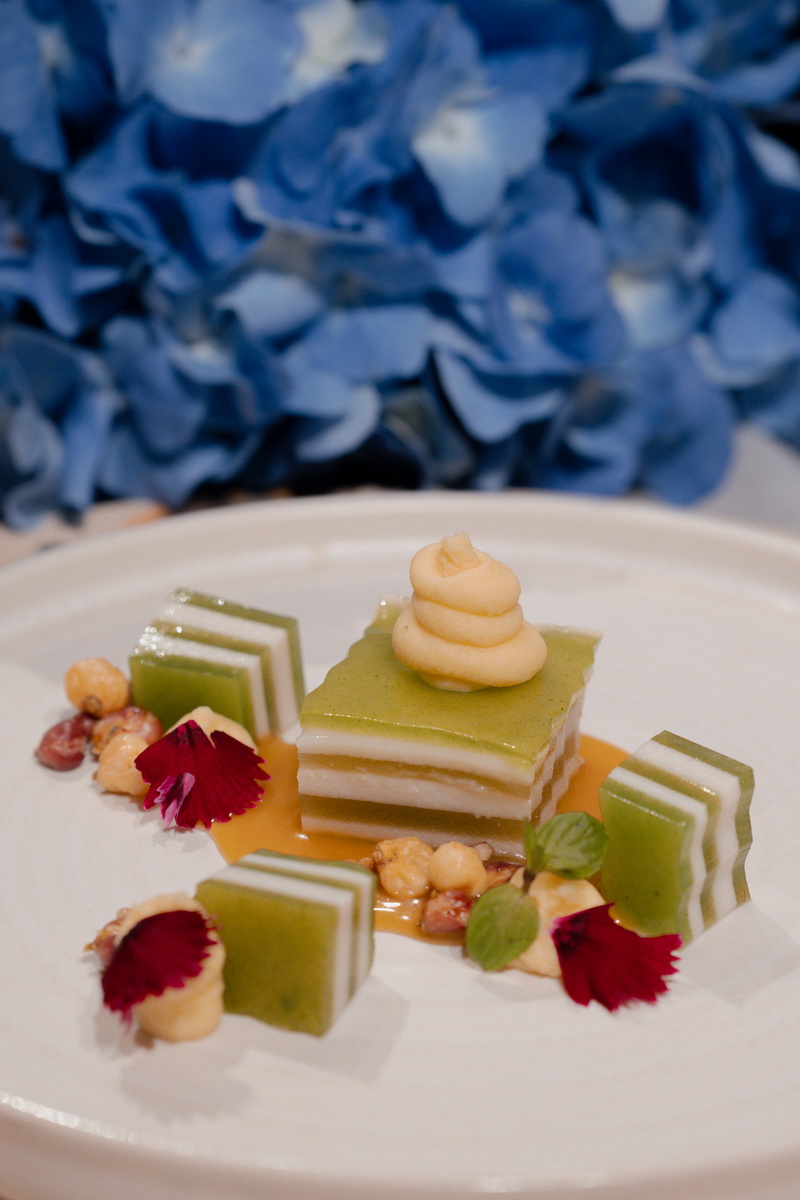
Then came a thought-provoking question from Đặng Tuyết Thương, M.Ed, with the final dessert, Trái ngọt (Sweet Fruit) – a soft, multilayered bánh da lợn: what is the “sweet fruit” a mother truly hopes for? And within the simple hopes she places in her children, how much might carry the unfinished dreams of her own life?
What stayed with me most after all these conversations was not the choices each mother had made in themselves, but the way in which they constructed meaning – meaning-making – around those choices, entirely of their own volition. No one can assign that meaning to them, nor can books or social conventions create it on their behalf. Viktor Frankl (1959), one of the thinkers who has profoundly influenced me, wrote in Đi tìm lẽ sống (Man’s Search for Meaning) that the meaning of life differs from person to person, from day to day, even from hour to hour; what matters is not the meaning of life in general, but the specific meaning of a person’s life at a given moment. That meaning is always changing, yet it never ceases to exist.
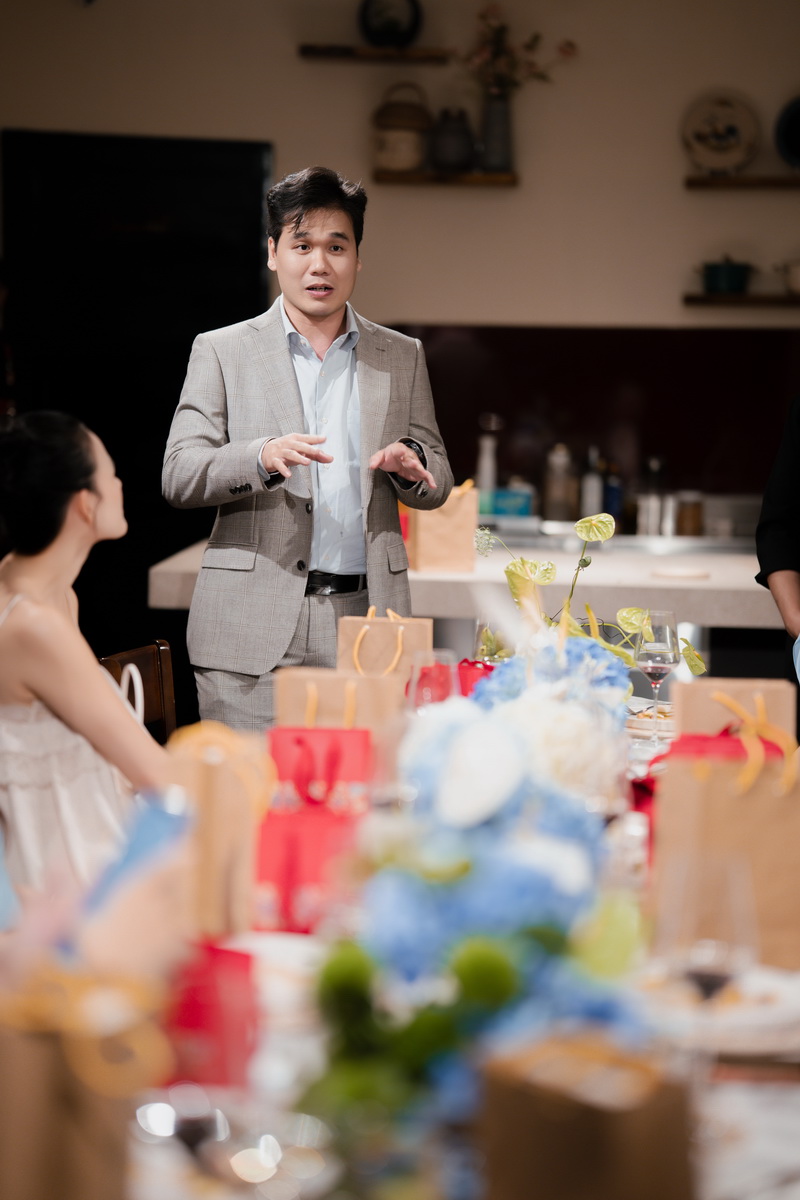
I could see this around the table. One mother found meaning in devoting almost an entire chapter of her life to her child. Another chose to return to work. Another once deeply needed time for herself, only to later choose to spend that very time with her child, knowing those early years would never return. Whether it was the choice of mothers from earlier generations to devote themselves wholly to their children, or the choice of mothers today to seek a balance between themselves, their children and other aspects of life, each represented dream that were beautiful, whole, genuine and meaningful in their own way. And those dreams have every right to change from one stage of life to another, just as a river changes shape around every bend while remaining the same river.
So please, let us not impose any particular framework on mothers – telling them what they ought to dream of or how they ought to live. The old expectation that “a good mother must sacrifice herself” has left countless women silently exhausted. But its opposite – “a modern mother must live for herself” – can become just as restrictive when imposed upon someone else. Perhaps what a mother needs from us is not another template to follow, but trust: trust that every mother’s heart knows what her dream is at this particular moment.
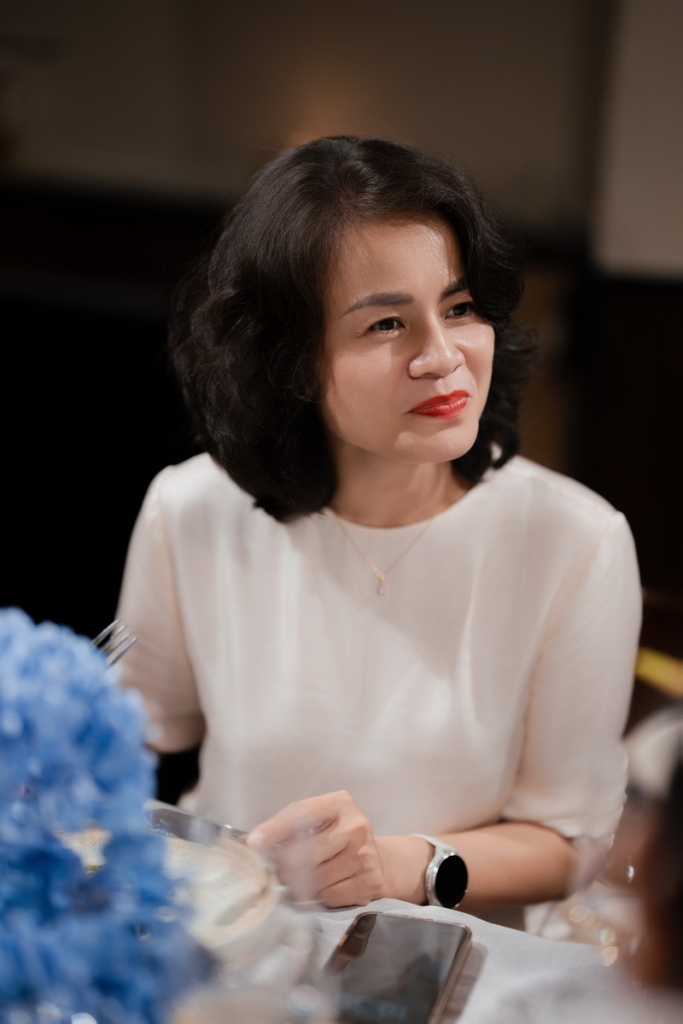
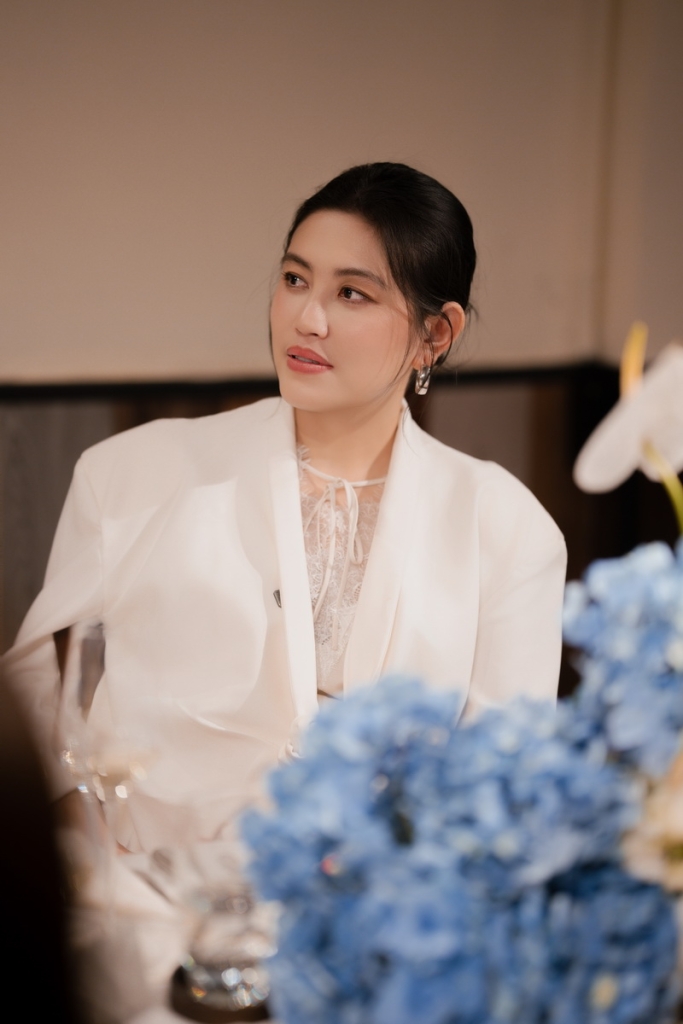
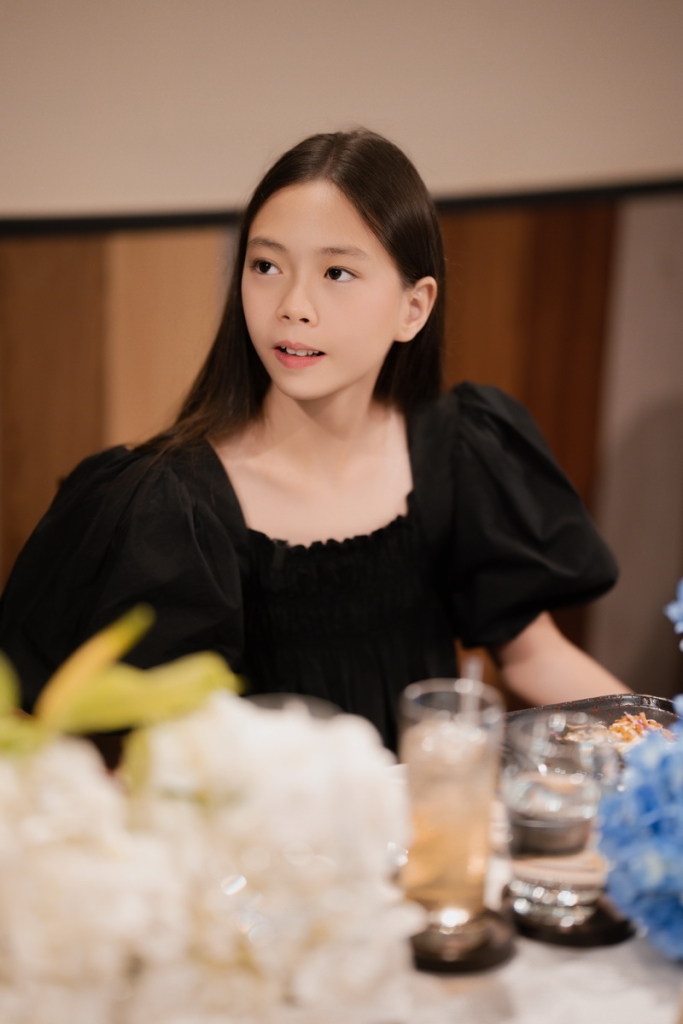
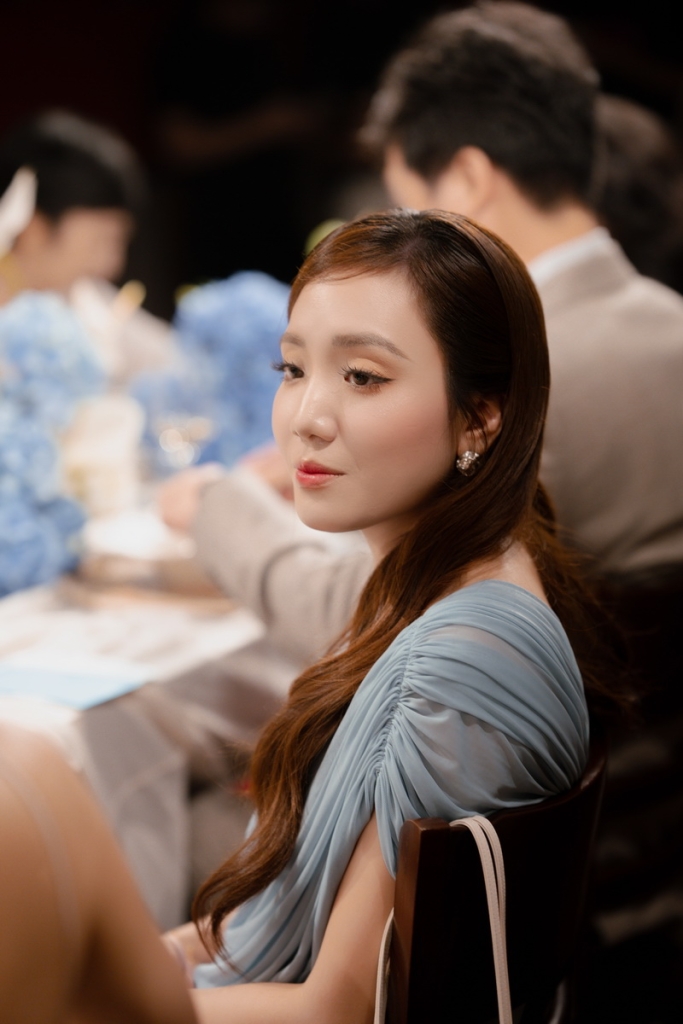
Three hours of Table of Stories #03 came to an end, yet its aftertaste, much like the heat of Mồ hôi chát (Bitter Sweat), stayed with me for a long time. This Vu Lan season, I invite you to sit down with your mother, or simply pick up the phone and ask her one very simple question: “Ước mơ của mẹ lúc này là gì?” (“What is your dream right now, Mum?”) Then simply listen and feel – without correcting her, offering advice or comparing her answer with anyone else’s.
And if you can, ask your mother to find a photograph of herself as a child. Perhaps, after so many years of being her child, it will be the first time you meet the little girl who held dreams of her own long before she became your mother. And from that point of connection, the love between two generations may travel a very long way.
ABOUT THE AUTHOR
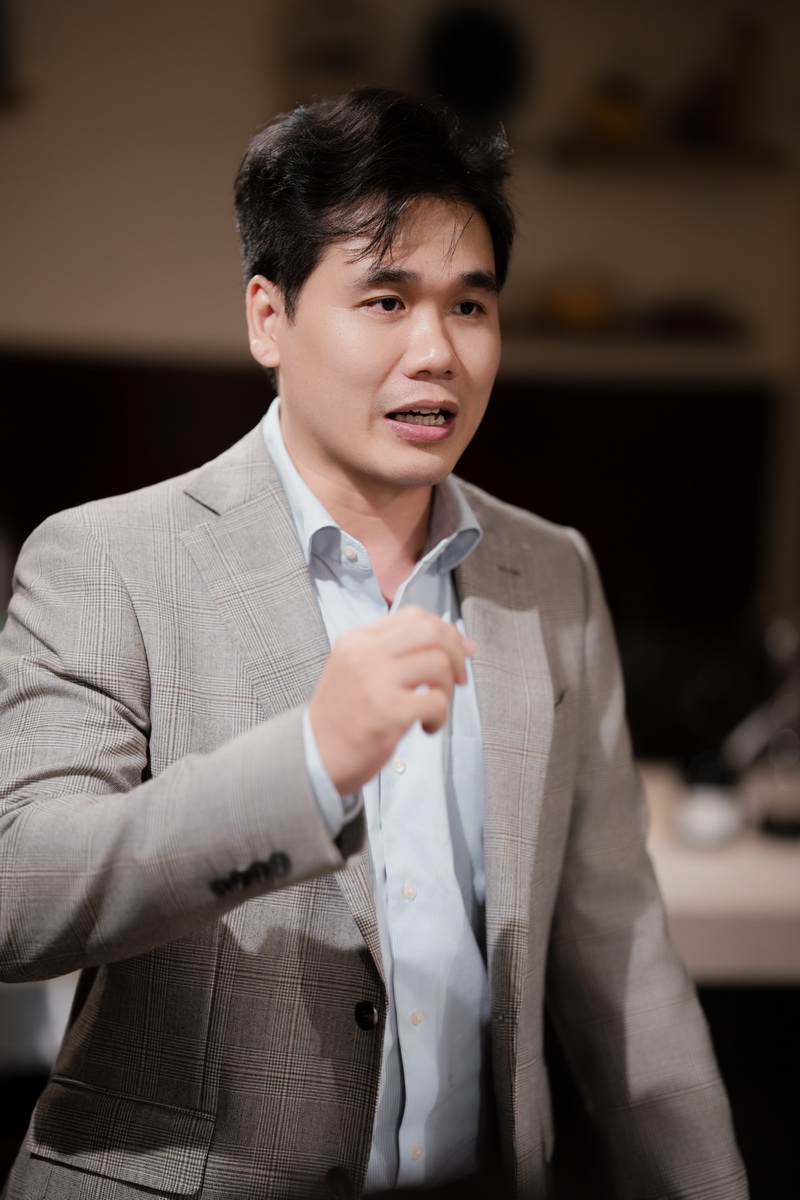
| Lương Dũng Nhân, M.Ed, PCC is an educator with nearly 20 years of experience in education and training. He holds a Master of Educational Leadership from the University of Queensland, Australia, and is a Professional Certified Coach (PCC) accredited by the International Coaching Federation (ICF). He is currently pursuing doctoral research focusing on Generative AI in education. Alongside his work in research, teaching and consultancy, his interests span psychology, transformative education and human-centred approaches to the application of AI. |

Read more: