


 Hien Dang
If consumers visited supermarkets primarily to purchase food and household essentials a decade ago, that behaviour is now changing significantly.
Original Vietnamese version available here: Đọc bài viết tiếng Việt
Text: MINH NGUYỄN
The rise of e-commerce has made shopping faster and more convenient than ever. With just a few taps on a smartphone, consumers can order everything from fresh produce and seafood to cosmetics and household items, often receiving their purchases within hours. This has created an important challenge for traditional retailers: what still motivates people to visit physical stores?
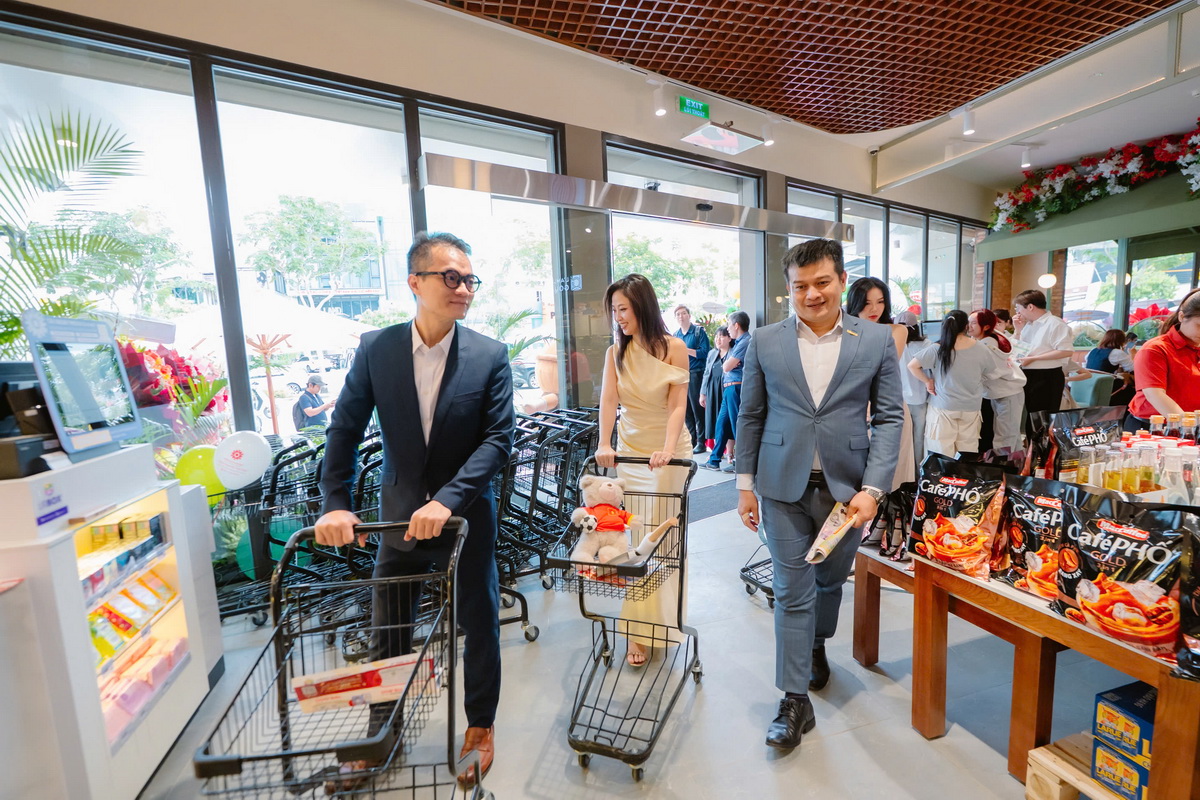
Increasingly, the answer lies in experience.
In recent years, Vietnam’s retail market has seen a growing number of concepts that combine shopping, dining, leisure and lifestyle within a single destination. Retail spaces are no longer merely places where transactions take place. They are gradually becoming part of the daily rhythm of urban life.
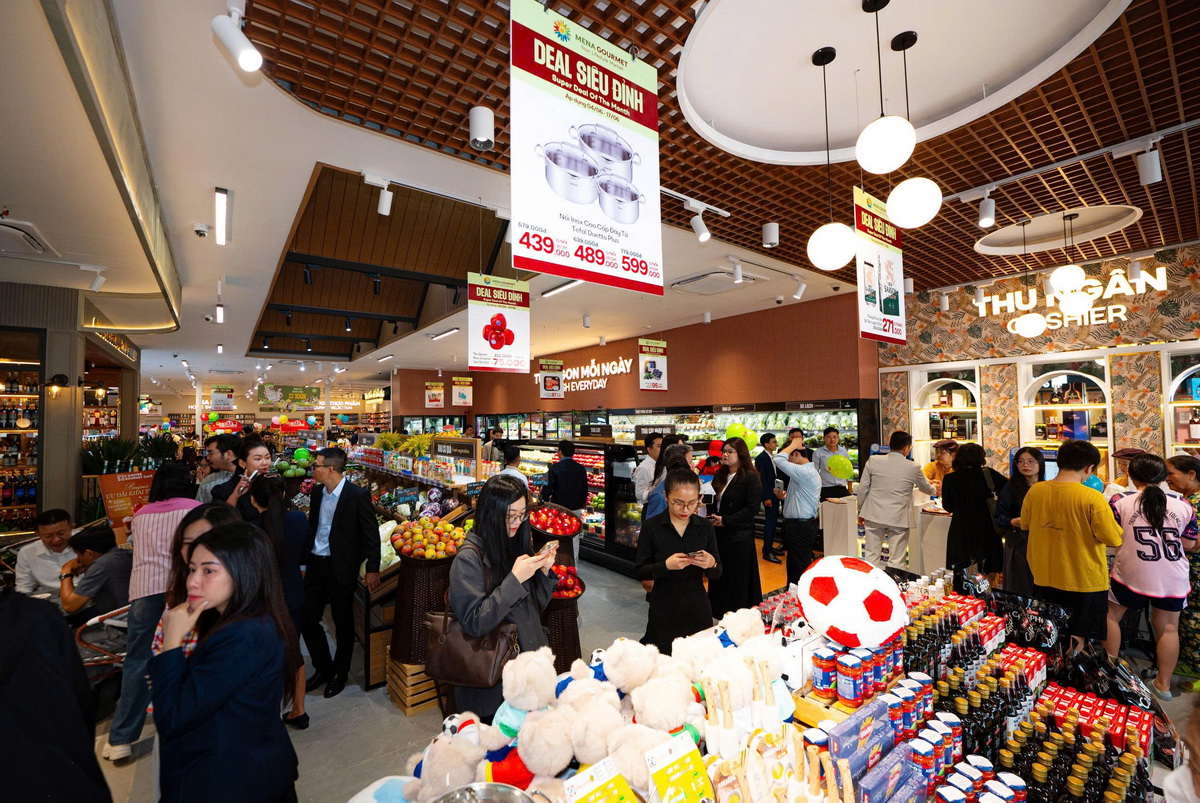
Most recently, Mena Gourmet expanded its network with the opening of its sixth location on Trần Não Street in Ho Chi Minh City. Rather than operating solely as a conventional supermarket, the new store has been developed as an integrated destination, bringing together curated food selections, a café, a wine cellar, beauty products and a dedicated area for mothers and children.
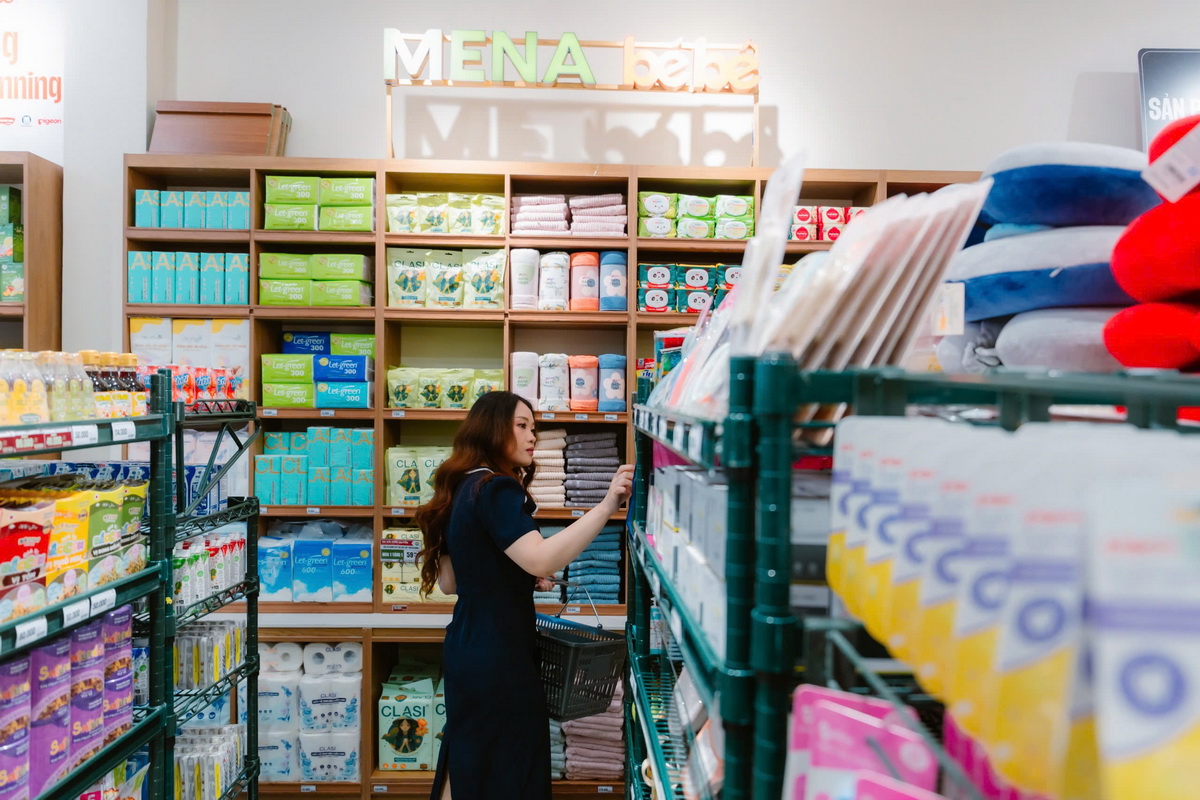
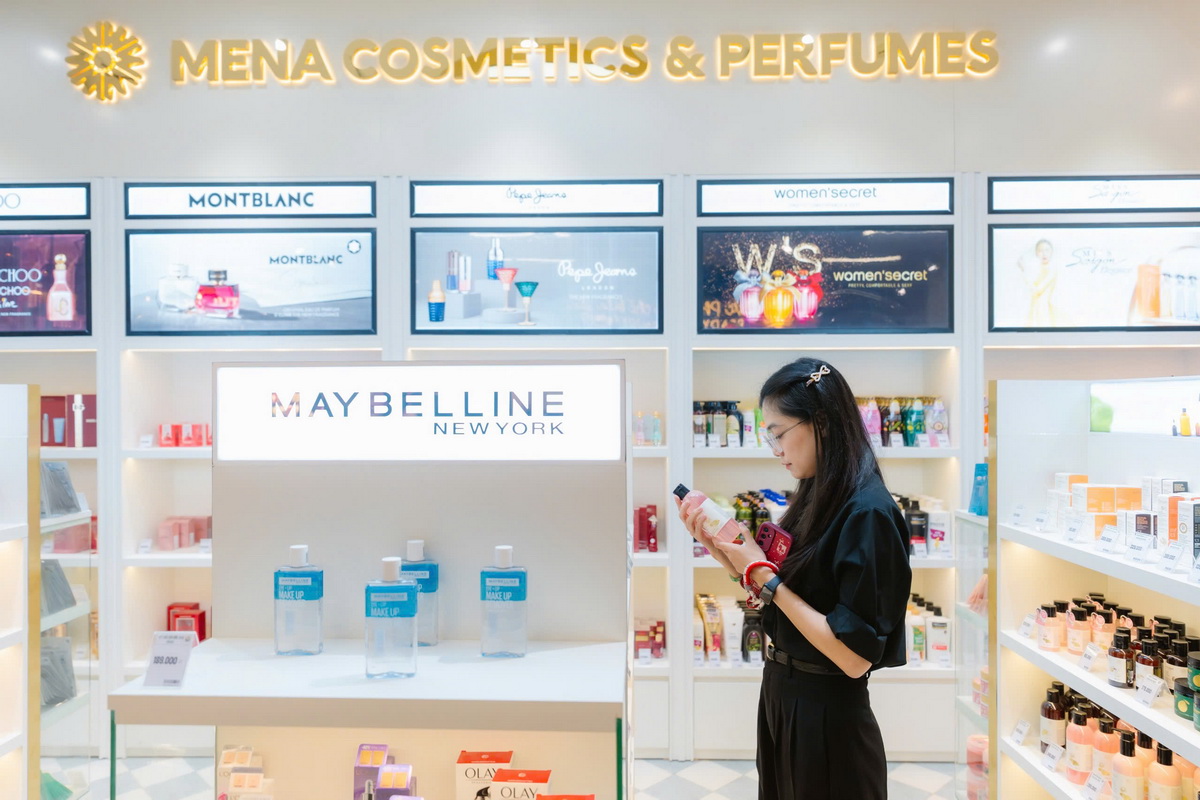
Located in an area connected to residential communities, expatriate populations and consumers with increasingly diverse daily needs, Mena Gourmet Trần Não has been developed as a boutique lifestyle market spanning more than 700 square metres. According to the company, the store offers more than 20,000 product lines, including curated food items, organic products, consumer goods, imported food brands, fruits, meat, seafood, home essentials and family-oriented products. In addition to its supermarket area, the store integrates L’Amuse Gourmet Café, Club des Sommelier Winery, Mena Cosmetics & Perfumes and Mena BéBé.
According to Mena Gourmet, after the Trần Não branch, the next location is expected to open at 45 Phan Đăng Lưu, Gia Định Ward. The company has also announced a longer-term ambition to develop 100 stores in Ho Chi Minh City and eventually reach 200 outlets nationwide.
In reality, this is not a trend unique to Mena Gourmet. Across the market, a number of retailers serving middle and upper-income consumers have been moving in a similar direction.
Annam Gourmet, for example, has long positioned itself as a destination for imported food products and an international lifestyle experience. New-generation shopping centres are also allocating more space to experiential zones, dining concepts and community-focused activities, rather than concentrating exclusively on retail.
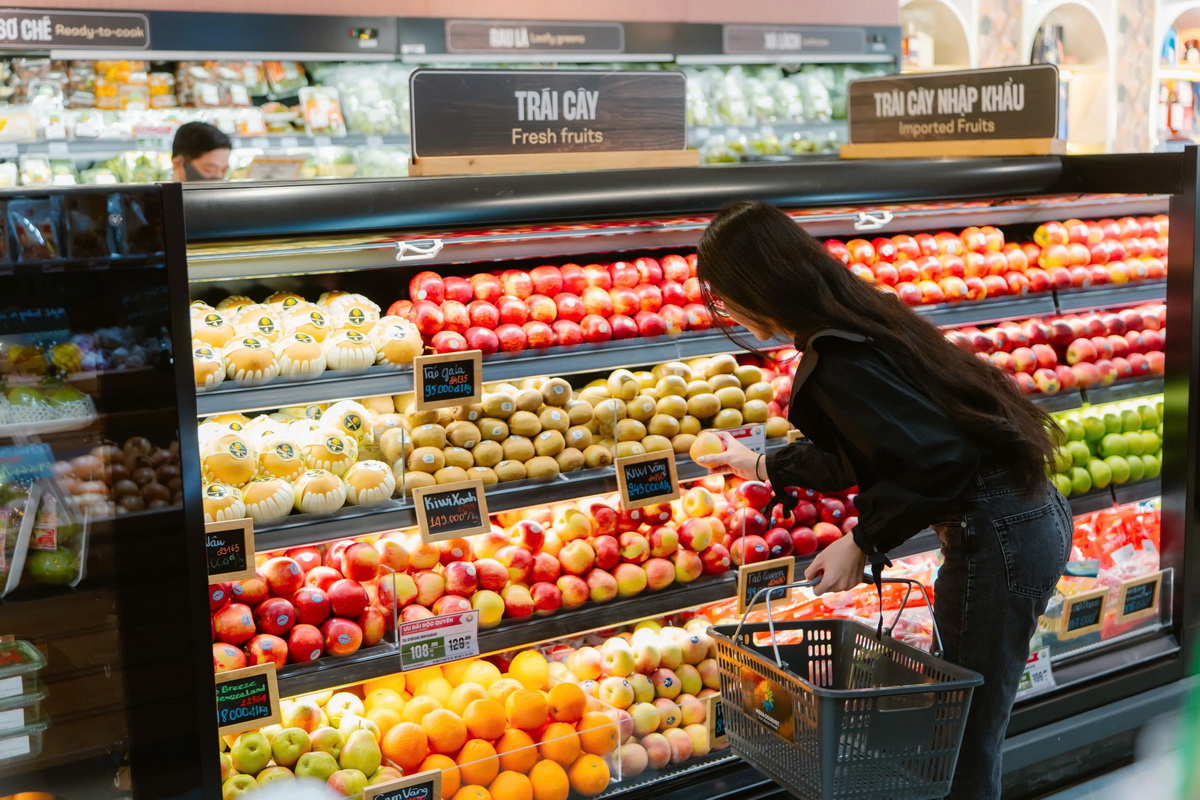
These developments reflect broader changes in the expectations of urban consumers.
As time becomes an increasingly valuable resource, people are naturally drawn to destinations capable of meeting multiple needs within a single visit. A trip to the supermarket is no longer just about purchasing ingredients for dinner. It may also involve enjoying a coffee, finding a gift, discovering wellness products or simply spending quality time with family and friends.
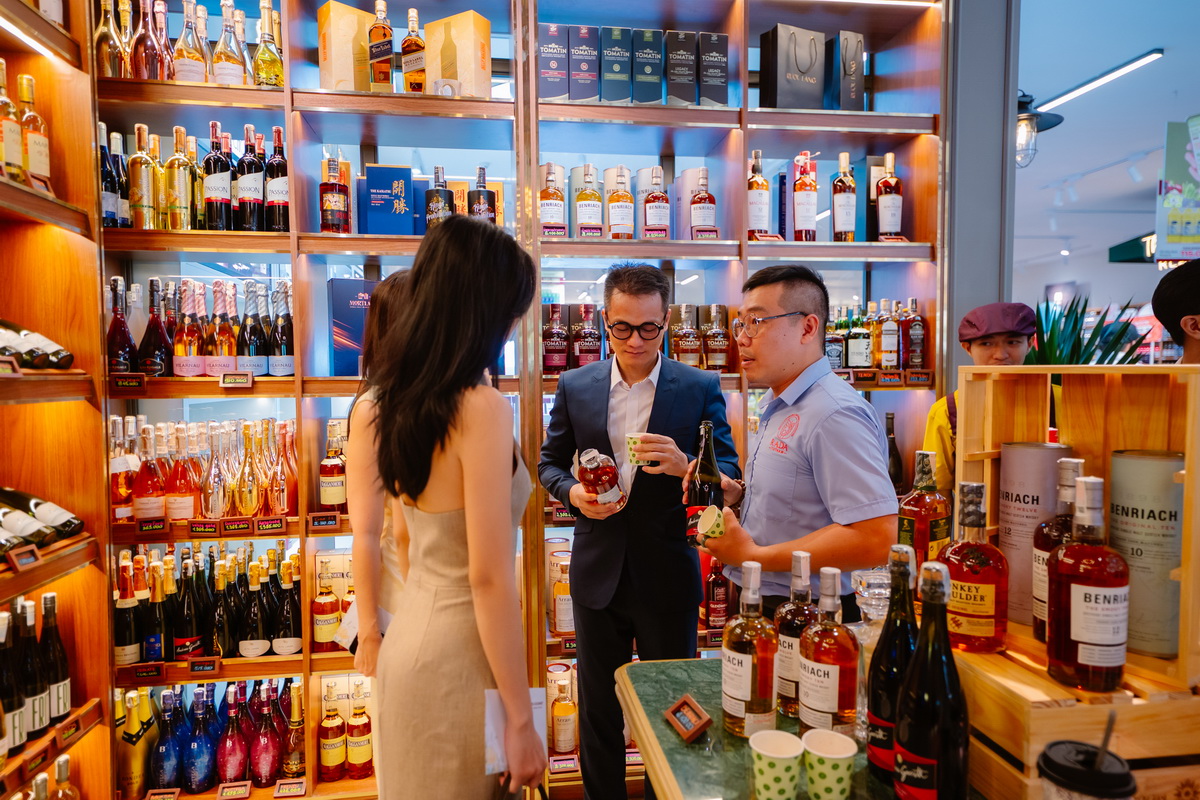
For retailers, competition from e-commerce has become another key driver behind this transformation.
While pricing and convenience can often be replicated online, the in-store experience remains far more difficult to duplicate. Physical environments, personalised service, product presentation and the sense of discovery associated with browsing in person continue to offer advantages that digital platforms struggle to reproduce.
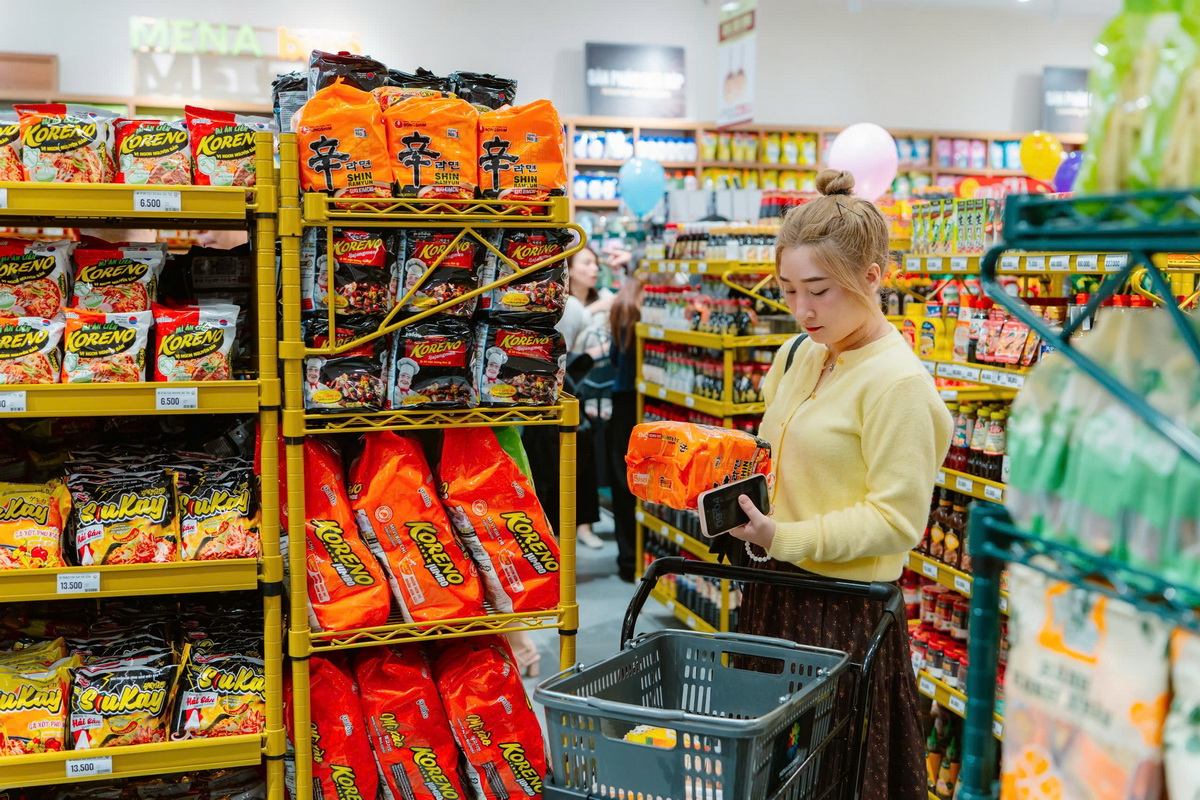
As a result, competition within the retail sector is increasingly moving beyond product assortment and promotional campaigns. Many businesses are now seeking to build small-scale lifestyle ecosystems around their customers, turning shopping into an extension of everyday living.
In major cities such as Ho Chi Minh City and Hanoi, this trend is expected to continue alongside the growth of the middle class and rising expectations regarding quality of life.
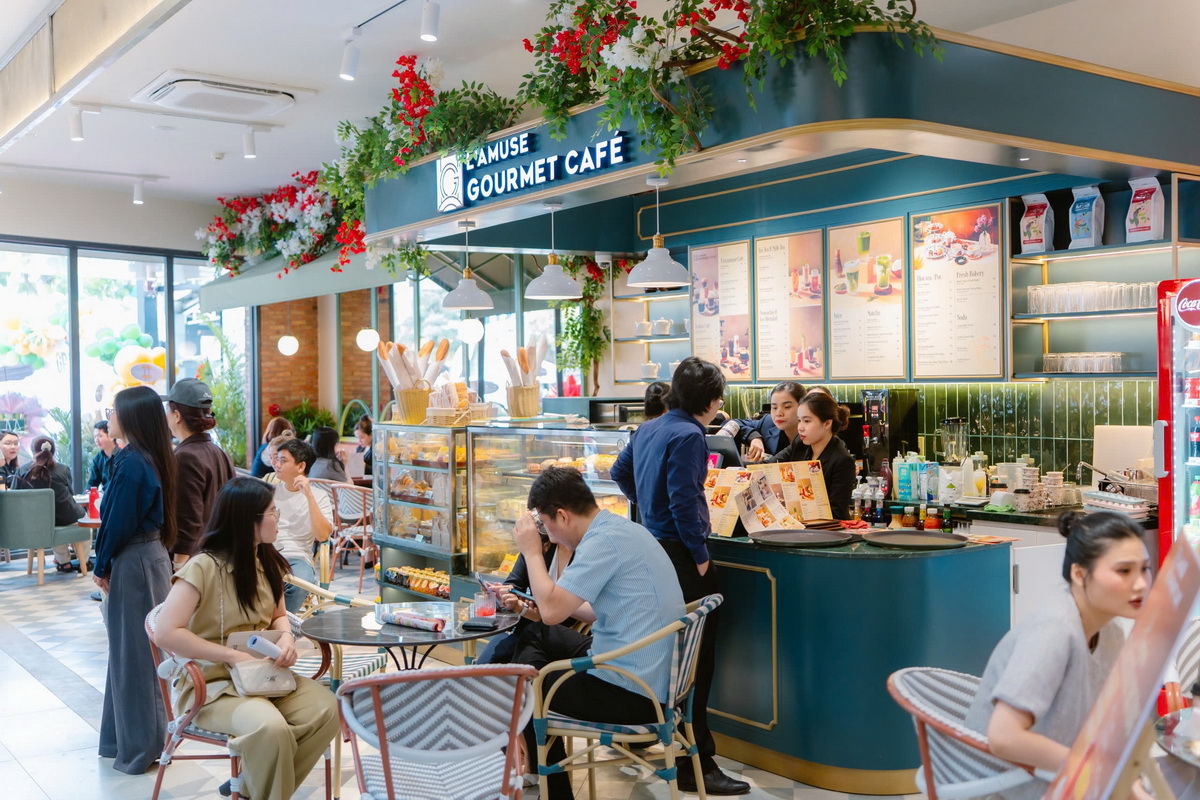
Against this backdrop, concepts such as Mena Gourmet illustrate how retail is entering a new phase of development. Supermarkets still sell groceries, but fewer and fewer consumers visit them solely for groceries. They come for convenience, experience and a lifestyle that reflects the way they choose to live.

Read more: